Connect with us

Politics

Why Nikki Haley urges Republican voters to hold off on supporting Donald Trump

Published

on

 GOP presidential candidate Nikki Haley urged Republican voters to hold off on supporting former President Donald Trump until they know if he’s going to be convicted in any of the four criminal trials pending against him.

“I think the American people deserve to know what the situation is going to be,” Haley said on CNN’s “State of the Union.” Former President Donald Trump currently faces four sets of criminal charges, two federal cases and state-level cases in Georgia and New York.

But Haley on Sunday went beyond targeting Trump over his sweeping indictments. Seeking to upset the former president in the South Carolina Republican primary on Feb. 24, Haley also said Trump should not be trying to block a congressional border bill. Instead, the former South Carolina governor told CNN a new border security plan should be passed as soon as possible.

Haley also used the interview to clarify recent comments she made about states and seceding, telling CNN that no state has the right to leave the country.

Haley on Sunday warned that, as Republican voters select their 2024 nominee to potentially face off against President Joe Biden, “For the next year, (Trump is) going to be sitting a courtroom.”

“I think it speaks for itself that he’s saying he’s going to be spending more time in a courtroom than he’s going to be spending on the campaign trail. We’ve got a country in disarray and a world on fire.”

Haley spoke on CNN days after a federal judge announced the indefinite delay of a March 4 scheduled trial in which Trump is accused of trying to steal the 2020 election from Biden. The trial is being delayed because Trump’s pre-trial appeals are taking up so much time.

Trump also faces three other criminal trials: A hush money case in New York state, a classified documents case in Florida and another election fraud case in the state of Georgia.

Trials in those cases are proposed for March, May and August, but pre-trial maneuvering could delay any or all of them.

Meanwhile, sandwiched between those potential trial datesthe Republican nominating convention starts July 15 in Milwaukee.

Trump in recent weeks has pushed House Speaker Mike Johnson, R-La. and other Republican leaders to kill a long-awaited bipartisan border security bill by arguing that Biden already has the power to stop illegal crossings.

But the former president’s critics have argued that Trump simply wants to stop lawmakers from working with Biden on major border legislation ahead of the election.

Haley, for example, told CNN on Sunday that said Trump “is absolutely playing politics” with the border.

“He shouldn’t be getting involved telling Republicans that wait until the election because we don’t want this to help Biden win. We can’t wait one more day.”

Trump allies immediately hit back at Haley following her interview.

“Nikki Haley reeks of desperation,” Trump campaign spokesman Steven Cheung said, adding “it’s clear she knows she has no shot” and “is now auditioning for a cable news contract when her 15 minutes are over.”

Haley faced her own criticism on Sunday, too. The former United Nations ambassador sought to clean up recent comments she made suggesting that states – specifically Texas – could secede from the Union, an issue that helped trigger the Civil War.

In a recent radio interview, Haley said that “if Texas decides they want to do that, they can do that.” She said “if that whole state says, ‘We don’t want to be part of America anymore,’ I mean, that’s their decision to make.”

She also added: “Let’s talk about what’s reality. Texas isn’t going to secede.”

But Haley this week told CNN said she was referencing comments made during her 2010 campaign for South Carolina governor, and that she did not mean to express support for secession and the country breaking apart.

“The Constitution doesn’t allow for that,” Haley said.

She said lawmakers should understand the frustration that some state officials feel over the authority of the federal government, citing Texas and its treatment of the U.S.-Mexico border as a prime example.

Texas Guardian News
Continue Reading
Click to comment

Leave a Reply

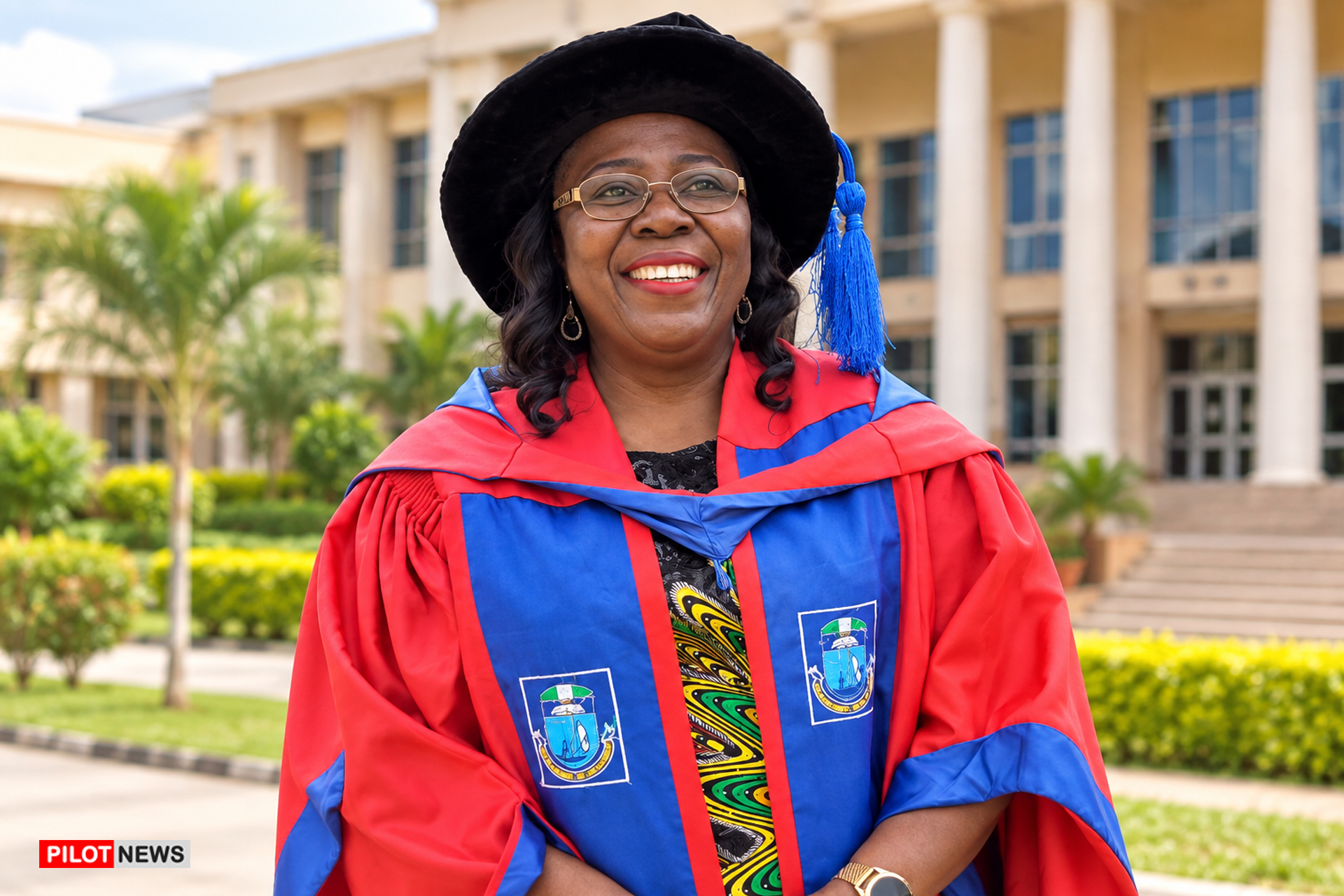
Anthony Obi Ogbo

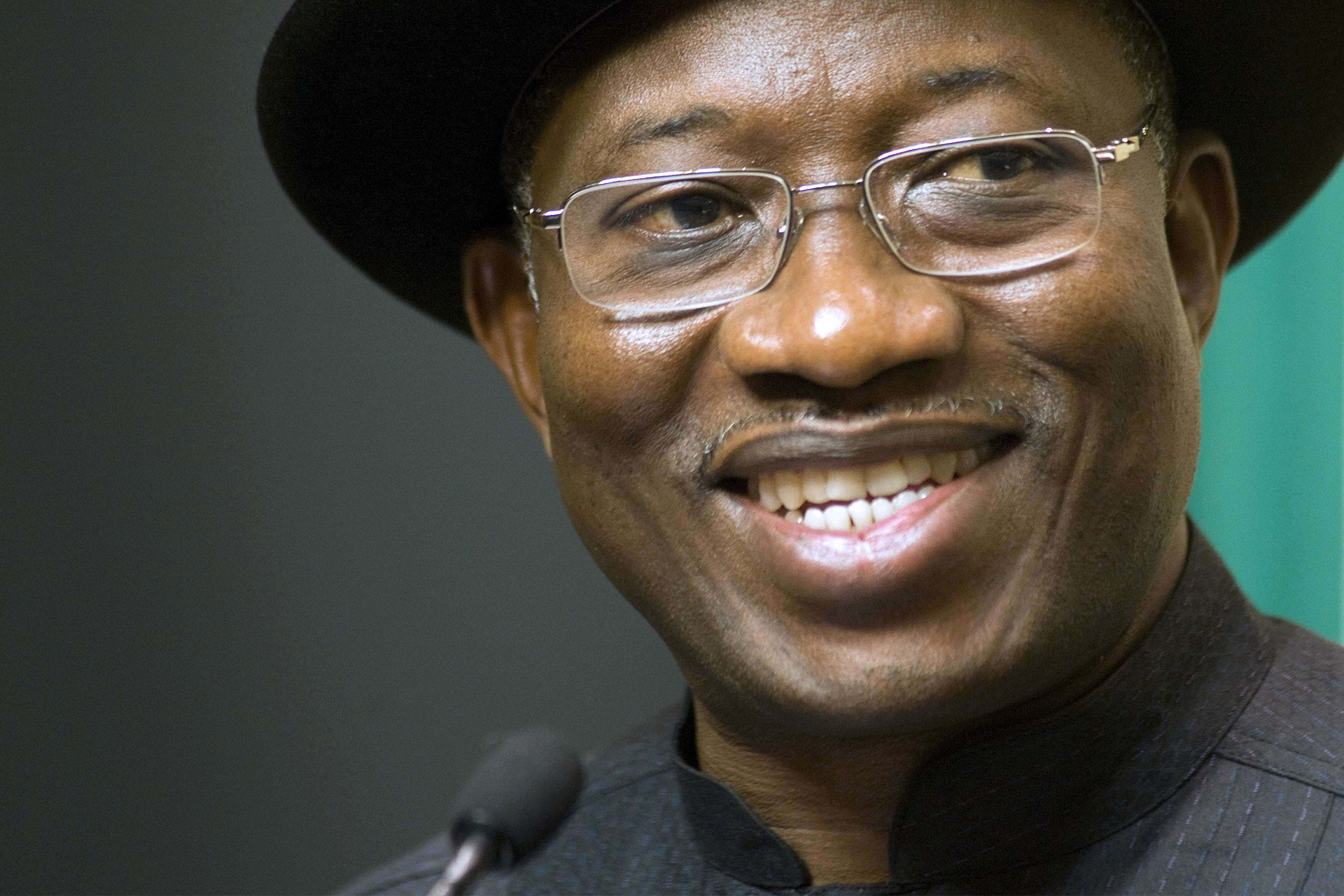
Between Silence and Sabotage: Jonathan’s Return to Political Manipulation

Published

on

“Jonathan’s calculated and weaponized ambiguity breeds deception and weakens emerging political alliances.” —Dr. Anthony Obi Ogbo

Former Nigerian President Goodluck Jonathan has once again found himself at the center of presidential speculation, floating silently above the country’s political waters while supporters aggressively market him as a possible candidate ahead of another critical election cycle. And once again, Jonathan is doing what he has mastered throughout his political career: saying nothing clearly while allowing political confusion to grow around him.

This pattern is not new. It is the same indecisive political behavior that defined some of the most consequential moments of his rise and fall. Jonathan became president in 2010 following the death of President Umaru Musa Yar’Adua. At the time, many northern political stakeholders within the then-ruling PDP believed there was an informal understanding that Jonathan would complete Yar’Adua’s term but not seek another full term in 2011, thereby preserving the party’s zoning arrangement between North and South. Instead of taking a clear and immediate position, Jonathan spent months dribbling the nation politically. He neither fully denied nor openly confirmed his intentions until the political tension had already escalated nationwide.

By the time he eventually declared his candidacy, the damage had been done. Many northern allies who initially supported him felt betrayed, politically cornered, or deceived. The PDP fractured internally, regional distrust deepened, and Jonathan’s relationship with major northern power blocs deteriorated permanently. Though he won the 2011 election, the cracks created by that indecision followed him into 2015, contributing significantly to the coalition that eventually removed him from power.

Yet Jonathan learned little from that experience. Since losing reelection in 2015, his name has repeatedly surfaced during every major electoral cycle as a potential presidential contender. Each time, his supporters strategically floated his candidacy across media platforms and political circles. Each time, Jonathan refused to decisively shut the door. Silence became his political instrument, whereas ambiguity became his strategy.

Now the country is witnessing the same playbook again. As coalition politics intensify and opposition forces attempt to consolidate around alternative political movements, Jonathan’s name has resurfaced aggressively. Reports and speculations about his presidential ambition continue to dominate political discussions, especially within camps seeking to disrupt the growing momentum surrounding Peter Obi and emerging opposition realignments.

The troubling part is not merely that Jonathan’s supporters are campaigning. The troubling part is that Jonathan fully understands the implications of his silence. He knows that his political stature carries enough weight to destabilize fragile coalition negotiations. He knows his name alone can divide campaign structures, weaken consensus-building, and inject uncertainty into opposition calculations. Yet he refuses to publicly and definitively state where he stands.

That is not statesmanship. That is calculated political ambiguity. Jonathan’s political history is filled with similarly contradictory choices. After losing power in 2015, he received widespread praise for conceding defeat peacefully. He initially framed that decision as a sacrifice made to preserve Nigerian lives and prevent violence. Later, however, different narratives emerged suggesting international pressure, particularly from the United States under President Obama. The shifting explanations weakened what could have remained one of his strongest democratic legacies.

Then came another contradiction. Despite emerging politically from the PDP, Jonathan gradually aligned himself closely with the administration of former President Muhammadu Buhari, serving in diplomatic and goodwill capacities that many PDP loyalists considered politically inappropriate. This unusual closeness fueled longstanding allegations that elements within the APC establishment viewed Jonathan as a useful political instrument capable of destabilizing opposition coalitions from within. Whether those allegations are true or not, Jonathan’s conduct has consistently created room for suspicion.

His political base remains uncertain. His campaign structure is invisible.

Today, his undeclared ambition is already generating confusion among supporters, coalition organizers, and opposition strategists. His political base remains uncertain. His campaign structure is invisible. His intentions are unclear. Yet his loyalists continue mobilizing aggressively in his name while he watches silently from the shadows.

Nigeria is too politically fragile for this kind of elite gamesmanship. At critical national moments, leadership demands clarity, courage, and accountability. Jonathan cannot continue operating as a permanent “maybe” in Nigeria’s political future, thoughtlessly hovering around every election season like an unanswered question designed to manipulate negotiations and weaken emerging alliances.

At this time, Jonathan should sit in or sit out! If he wants to run, he should declare openly, defend his record, and face the democratic process directly. If he does not intend to run, he should immediately and publicly withdraw his name from the political marketplace. Anything short of that increasingly looks less like political strategy and more like calculated deception. Nigeria deserves leaders who make difficult choices openly—not politicians who weaponize silence while others gamble with national uncertainty in their name.

♦ Publisher of the Guardian News, Professor Anthony Obi Ogbo, Ph.D., is on the Editorial Board of the West African Pilot News. He is the author of the Influence of Leadership (2015)  and the Maxims of Political Leadership (2019). Contact: anthony@guardiannews.us

Texas Guardian News
Continue Reading

Nigeria

The Devastation of Insurgency: Nigeria Cannot Kill Its Way Out of Insecurity

Published

on

“Insecurity persists not only because armed groups are present but also because the state is often absent” —Dr. Declan Onwudiwe

Nigeria cannot kill its way out of insecurity. While military victories may win battles, only legitimacy, governance, and economic opportunity can secure lasting peace. Across the country, persistent violence, characterized by impunity and a tragic disregard for human life, has exposed the limits of a force-only approach. The time has come for a more sweeping and planned security response.

What is most troubling is the continuing victimization of innocent citizens, especially women and children. Reports of attacks on farmers, worshippers in churches and mosques, and travelers have become disturbingly routine. Kidnappings, sexual violence, and the killing of schoolchildren have weakened public confidence in the state’s ability to protect its people. These are not individual events but symptoms of a deeper structural crisis. Yet, Nigeria is not without options. A strategic and sustained plan can alter this trajectory.

Cooperation between Nigeria’s security forces and international partners is praiseworthy and necessary. However, a recurring weakness undermines these gains: areas cleared by the military are often left insufficiently secured, allowing insurgents and bandits to return. A viable strategy must go beyond clearing territory to consolidating control. Insurgent groups adapt rapidly; after defeat, they disperse, regroup, and re-emerge in areas where governance is weak. Every community reclaimed by force but left without sustained state presence risks becoming tomorrow’s battleground.

Experience from other regions underscores this point. Countries such as Colombia and Iraq that have made substantial progress against insurgency have done so by maintaining a firm and continuous government presence in liberated areas. Where state authority is visible through security, justice, and basic services, insurgents find it much harder to re-establish control. Where it is absent, violence returns. Nigeria must learn from this reality and prioritize holding territory as much as reclaiming it.

At the heart of the problem is a governance deficit. Insecurity persists not only because armed groups are present but also because the state is often absent. Recovered areas commonly lack functioning institutions, effective policing, and access to justice. Without these, citizens remain vulnerable, and security gains become temporary. A credible strategy must ensure that communities reclaimed by security forces are immediately supported with police presence, local administration, and basic services, including healthcare, education, and dispute resolution.

Equally important is the recognition that the population, not the battlefield, is the true center of gravity in counterinsurgency. Intelligence from local communities is indispensable, but it depends on trust. Where citizens feel protected and respected, they are more willing to share information. Where they feel neglected or abused, they withdraw. Strengthening this relationship between citizens and the state is essential.

Intelligence-led security operations are far more effective than broad, reactive force. Targeted precision, based on reliable information, disrupts insurgent leadership, logistics, and financing networks. But this requires the population’s cooperation. When criminals operate with impunity, and accountability is weak, citizens lose confidence and hesitate to engage. Restoring trust, therefore, requires both professionalism within the security forces and a justice system that swiftly and fairly punishes wrongdoing.

Beyond security operations, Nigeria must address the economic drivers of instability. Youth unemployment and underemployment remain major concerns. Many young people struggle to find meaningful livelihoods, keeping them vulnerable to exploitation by criminal and extremist networks. Security cannot be sustained without opportunity. Investments in agriculture, education, infrastructure, electricity, and small-scale industry are not just economic policies; they are security measures. A population rich in hope and opportunity is less susceptible to recruitment and radicalization by violent groups.

The question of self-defense has also entered public debate. While communities have a natural right to protect themselves and arm themselves, widespread and unregulated access to weapons carries serious risks. Criminological literature shows that the proliferation of arms without accountability can fuel cycles of violence and create new security challenges. The solution is not to transform communities into rival armed camps but to build structured partnerships between citizens and the state.

Community-based security initiatives can play a valuable role when properly organized, regulated, and integrated into the wider security framework. Groups such as local defense volunteers should operate under unambiguous legal authority, receive appropriate training, and remain accountable to state institutions. When managed effectively, such partnerships can enhance intelligence gathering, strengthen local resilience, and complement formal security forces.

Nigeria now remains at a crossroads. It can continue to approach insecurity primarily as a military problem and remain trapped in a cycle of temporary victories followed by renewed violence. Or it can adopt a more extensive, more strategic approach, one that acknowledges that sustainable security depends on governance, legitimacy, and opportunity as much as on force.

The way forward is clear. Nigeria must hold every liberated area through sustained security and governance. It must prioritize intelligence by building trust with local communities. It must deliver a visible and tangible state presence through schools, healthcare, and justice systems. It must formalize and regulate community-based security initiatives. And it must expand economic opportunities to reduce the appeal of violence and criminality.

Countries that have turned the tide against insurgency did so not through force alone, but by rebuilding the bond between the state and its people. Nigeria must do the same. Until that bond is strengthened, insecurity will remain not just a threat at the margins, but a challenge rooted at the core of the nation’s stability.

Only through a coordinated, long-term strategy can Nigeria move from managing insecurity to truly controlling it.

____

■ Ihekwoaba Declan Onwudiwe, Ph.D., of the School of Public Affairs, Texas Southern University, is a Professor and Director, Africa Institute for Strategic Security Studies (AISSS). He is also on the EDITORIAL BOARD of  the WAP

Texas Guardian News
Continue Reading

Anthony Obi Ogbo

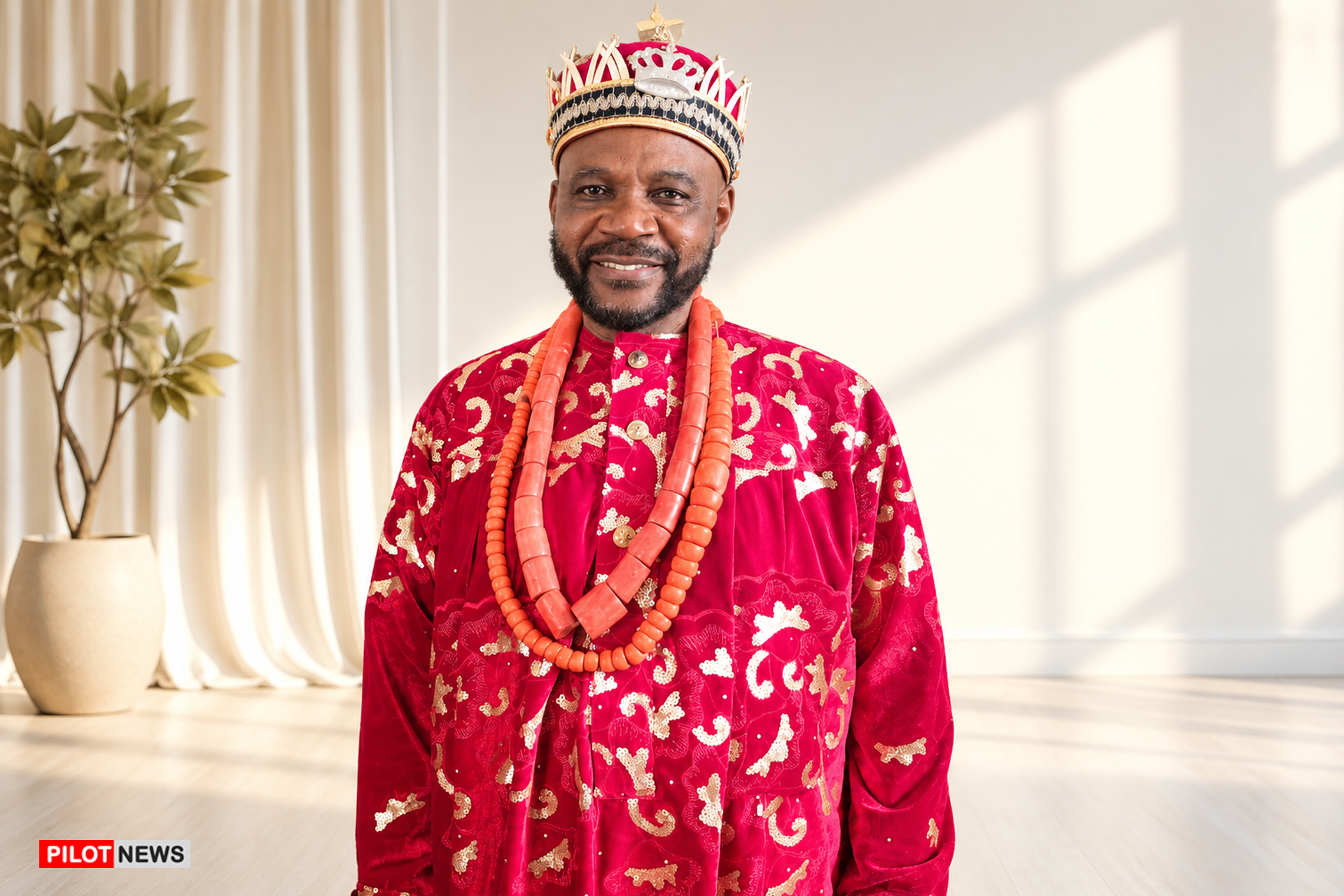
Igbo Dynamism and The Politics of Misalignment

Published

on

The cost of this misalignment extends beyond politics and erodes the strength and perception of the Igbo brand itself — Dr. Anthony Ogbo

Few ethnic groups in the modern world embody resilience, adaptability, and entrepreneurial drive like the Igbo of southeastern Nigeria. Forged by history, particularly the trauma and aftermath of the Nigerian Civil War, the Igbo spirit has evolved into a global force defined by education, commerce, and labor. Across Africa, Europe, Asia, and the Americas, Igbo professionals, traders, academics, and innovators have exerted disproportionate influence. Their philosophy of self-determination, “Igbo enwe eze” (the Igbo have no king), has fostered a decentralized, merit-driven culture that rewards initiative and hard work.

In many respects, this dynamism mirrors that of the Jewish people. Like the Jews, the Igbo have leveraged education as a primary tool of advancement, often placing extraordinary value on academic achievement as a pathway to mobility. In commerce, both groups demonstrate remarkable networking capabilities, building trust-based systems that transcend geography. In labor, their willingness to start from the margins and climb through persistence is widely documented. These parallels are not superficial; they point to a shared cultural DNA rooted in survival, adaptability, and intellectual capital.

Yet this comparison begins to diverge in political cohesion and strategic alignment.

While Jewish communities globally have often demonstrated coordinated political engagement, aligning interests, influencing policy, and maintaining a unified voice, the Igbo have struggled to translate their economic and intellectual strength into sustained political power within Nigeria. This gap has had significant consequences, affecting not only their representation but also their broader cultural and national standing.

A critical example is their overwhelming support for Goodluck Jonathan in the 2011 and 2015 elections. While politically understandable at the time, this near-unanimous alignment left the Igbo politically exposed following his defeat in 2015. In the aftermath, many Igbo communities perceived a decline in federal inclusion and influence, reinforcing a sense of marginalization in Nigeria’s power structure.

This pattern appeared to repeat, albeit in a different form, with the passionate and often uncompromising support for Peter Obi in the 2023 elections. Obi’s candidacy energized millions, particularly among youth and the diaspora, and represented a shift toward issue-based politics. However, the “all-or-nothing” posture adopted by segments of his support base, both online and offline, arguably alienated potential allies across Nigeria’s diverse political landscape. What could have evolved into a broad coalition instead deepened ethnic and regional fault lines, weakening the strategic positioning of the Igbo in national politics.

Beyond electoral choices, the Igbo political challenge is also structural. The absence of a unified political leadership or central coordinating body has made it difficult to articulate and pursue long-term collective interests. Internal divisions, elite fragmentation, and the rise of competing advocacy voices, some constructive, others reactionary, have further complicated alignment. Additionally, separatist agitations, while rooted in legitimate grievances, have sometimes overshadowed pragmatic engagement with Nigeria’s political institutions, limiting opportunities for negotiation and influence.

The cost of this misalignment is not merely political; it touches the Igbo brand itself. A people known globally for enterprise and intellect risk being perceived domestically through a narrower lens of political disunity or agitation. This perception, whether fair or not, has implications for investment, partnerships, and national integration.

The way forward requires a recalibration, one that does not dilute Igbo identity but strengthens its strategic expression. First, there must be a deliberate effort to build political coalitions beyond ethnic lines. Nigeria’s complexity demands alliances; no single group can achieve national power in isolation. Second, Igbo leaders across business, academia, and civil society must converge on a shared political agenda that prioritizes inclusion, infrastructure, security, and economic development for the region within the Nigerian framework.

Third, political engagement must shift from emotional mobilization to strategic negotiation. This includes cultivating influence within major political parties, supporting diverse candidates across regions, and investing in long-term policy advocacy rather than election-cycle enthusiasm. Finally, the Igbo diaspora, arguably one of the most powerful in Africa, should be more intentionally integrated into political strategy, leveraging its global networks for both advocacy and investment.

Igbo dynamism remains undeniable. The challenge is not capacity, but coordination. If the same ingenuity that built global commercial networks can be applied to political alignment, the Igbo will not only preserve their cultural and economic stature but also secure a more decisive role in shaping Nigeria’s future.

______

♦ Publisher of the Guardian News, Professor Anthony Obi Ogbo, Ph.D., is with the School of Communication, Texas Southern University. Dr. Ogbo is on the Editorial Board of the West African Pilot News. He is also the author of the Influence of Leadership (2015)  and the Maxims of Political Leadership (2019). Contact: anthony@guardiannews.us

Texas Guardian News
Continue Reading

Trending