

Nigeria
Uthoko Palace Achalla announces the coronation of “Uthoko Na Eze Achalla VI” Igwe Ositadinma Sunny Nwokedi

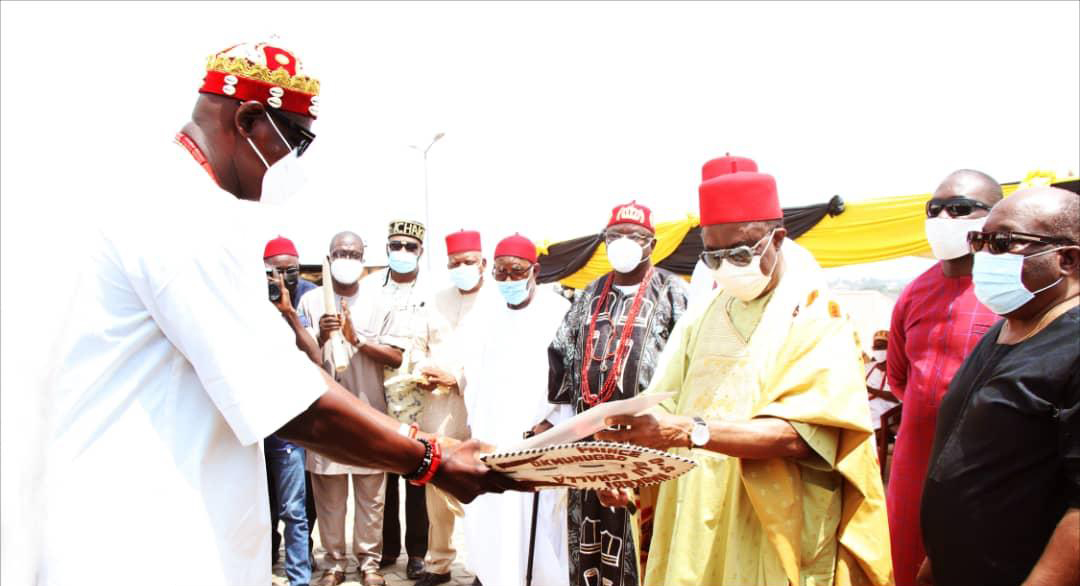
All roads lead to Achalla, in Anambra State, October 28 and 29, 2021 for the coronation ceremonies of Eze Oranyelu, Igwe Ositadinma Sunny Nwokedi, the Uthoko Na Eze Achalla The 6th. In the past few months, a thread of traditional rites and events leading to this throne have been observed and completed, paving way for an official coronation of his kingship.
Located in the south-central part of Anambra State, Achalla is the capital of Awka North Local Government surrounded by towns like Amanuke, Igbariam, Obaefemili, Ukwulu, Urum e.t.c.
A new king of Achalla was necessary following the transition of the former ruler, His Majesty, Igwe Alex Ezeoba Nwokedi V, the Uthoko of Achalla. Aged 84, Igwe Alex Nwokedi who served as the Chairman of Anambra State Council of Traditional Rulers and also Chairman of the Nine Eastern States Council of Traditional Rulers passed away May 11, 2020, after a brief illness.
Eze Oranyelu Sunny Nwokedi, a distinguished businessman, nominated by the Uthoko Na Eze Royal family and backed up by the Igwe-in Council, the ancient society of Ndi Alor, and the entire Achalla community picks up the scepter to resume the legacy of the traditional monarchy. According to the new king, “It’s an ancestral call – an inevitable responsibility and I will remain faithful to that trust.”

Eze Oranyelu Sunny Nwokedi and wife, Tiffanny (middle). Eze Oranyelu , a distinguished businessman, nominated by the Uthoko Na Eze Royal family and backed up by the Igwe-in Council, the ancient society of Ndi Alor, and the entire Achalla community picks up the scepter to resume the legacy of the traditional monarchy.
The coronation process begins Sunday, October 24th when the occasional Oganachi Masquerade makes an outing; Thursday, October 28 is slated for the coronation and the “Iwapu Oji” ceremony; Friday, October 29, the entire town will celebrate the coronation with the “Ada masquerade” procession; Saturday, October 30 will be the Iruji day; and finally, Sunday, October the 31, a Thanksgiving Mass will be held to close out the coronation process.
Eze Oranyelu Sunny Nwokedi was born in Onitsha in Anambra State, December 5, 1965, to Chief John Obi & Esther Chikaodili Nwokedi. It was a few years before the civil war which broke out in 1967. He spent the entire three years of the war at the Uthoko Palace in Achalla with the family, and this was when his familiarity with the town’s traditional and monarchical heritage began.
Eze Oranyelu Sunny Nwokedi spent time in Enugu after the civil war where he resumed his primary school education. He attended Enitonna High School in Port Harcourt (Rivers State) and proceeded to the University of Port Harcourt, Rivers State where he studied Political Science and Administration.

In recent years, Eze Oranyelu Sunny Nwokedi has established various business ventures nationally and internationally. He said, “I am open when it comes to choosing my business environment and partners and would always adapt to every new environment I find myself in, to allow a checkered lifestyle.”
He is passionate about people – a trait he had demonstrated among Achalla indigenes. He said, “The community is made of people, therefore to be a community person one has to be passionate about the people, their cause, their culture, and their aspirations. I cut a myriad of pictures to different people depending on what part of the chasm I view them from. For Achalla, it is an inherited bond if I look back at my early age during the civil war through the current era.”
By his current traditional designation, Eze Oranyelu Sunny Nwokedi will join a lineup of other recognized distinguished traditional rulers in Anambra State in presiding his official duties. He would parade a matrix of aristocracy and transformational models. He said, “This is a traditional setting – in other words, it is my duty to govern according to the tradition of the land. At the same time, my personality reflects compassion, friendliness, respect for elder statesmanship, and love for the people.” He continued, “I listen a lot more than I speak. This makes me a good learner and allows me to respect or articulate peoples’ perspective. I try not to dispute their opinion even when it’s the opposite of who I am. These are some of my transformational traits and truly, these have been my driving force all through my endeavors as a community advocate.”
Eze Oranyelu Sunny Nwokedi is married to his wife of 13 years, Tiffanny Nkechi Nwokedi. He has our children. Ositadinma, Chukwuemeka, Obieze and Ifeoma Nwokedi.


Following a successful induction ceremony, the First International Branch continues to attract new members drawn to its tradition of friendship, service, culture, and community
SUGAR LAND, TEXAS — The Sugar Land People’s Club of Nigeria International (SLPCNI) is continuing its membership expansion following its recently concluded induction ceremony, with Dr. Nkem Ugwu becoming one of the latest community members to join the organization.
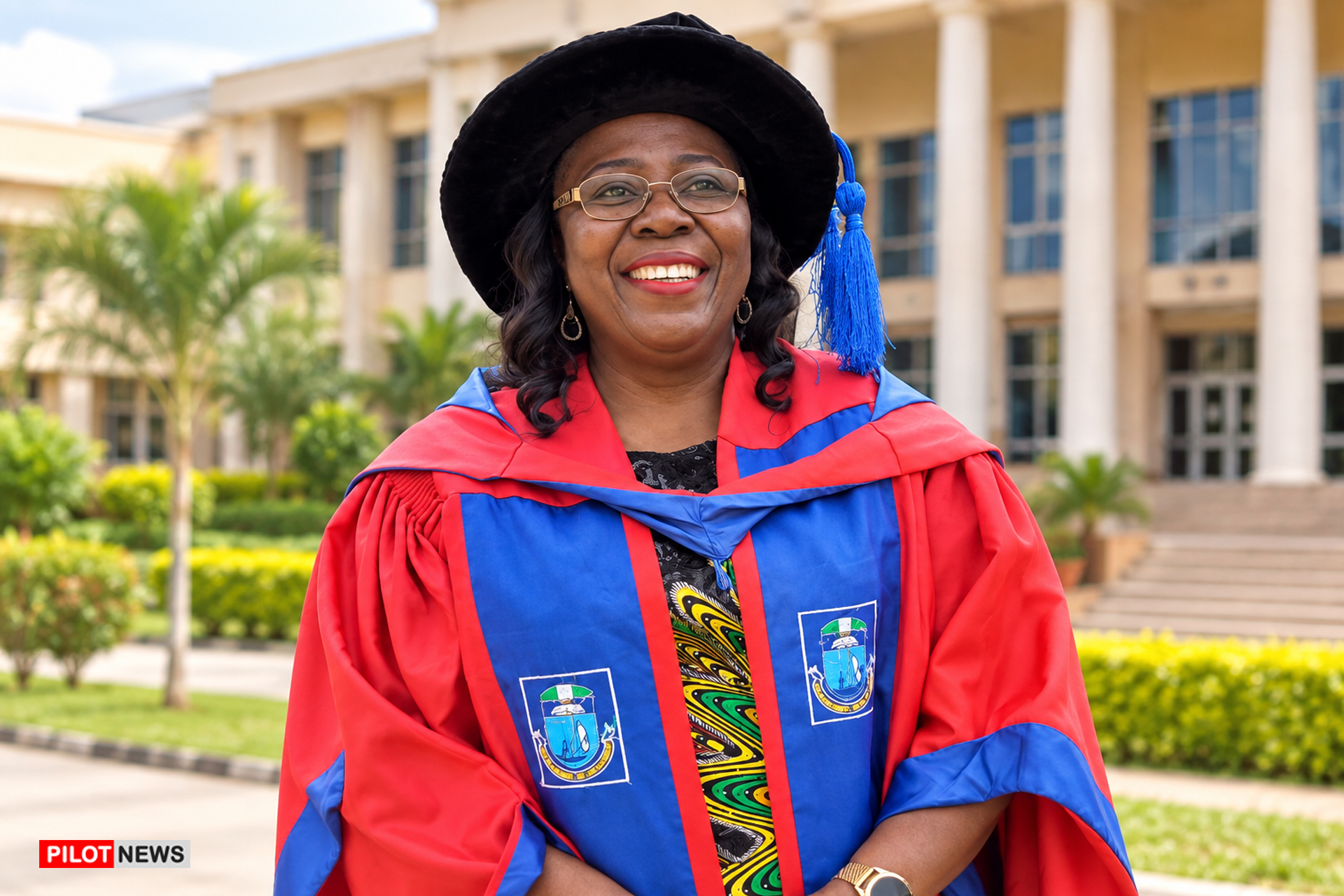
Ugwu, a Sugar Land resident originally from Nsukka, Enugu State, Nigeria, is an entrepreneur and mother of three sons, a mother-in-law, and a grandmother. She describes service to others, family, and community engagement as important parts of her personal and professional life.

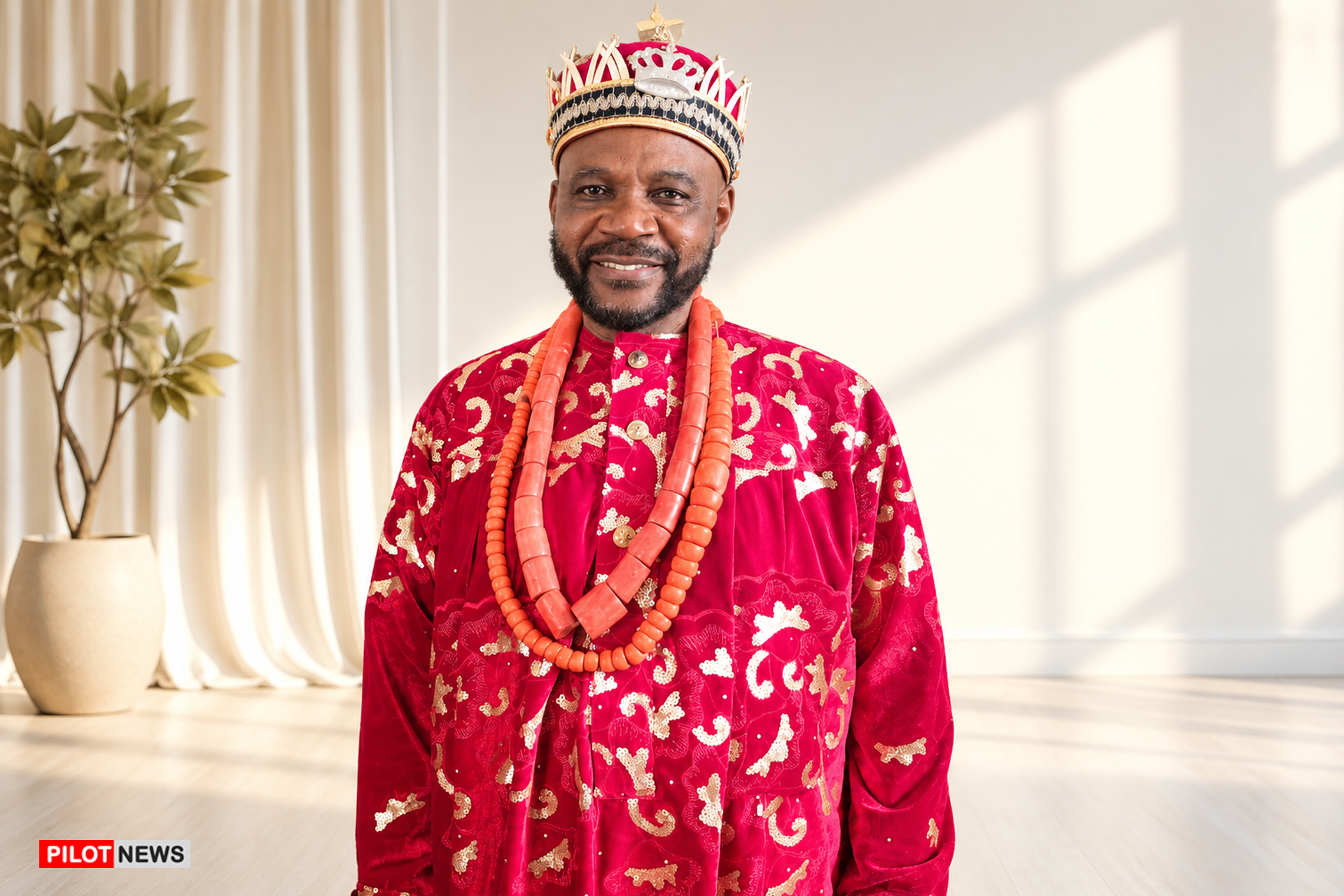
Grand Patron Ide Obinna Nnanyelugo Mbachu addressing the September Conference of the Sugar Land PCNI
Her membership comes on the heels of the branch’s successful bi-annual induction ceremony, during which 16 new members were formally sworn in by PCNI National President Atty. Fidelis Onyebueke. The celebration attracted national leaders, patrons, and members representing branches from across the People’s Club network.

Photo from left: Hon. Chief Sir Michael Okeke; Hon. Anaeto Okakpu “Oranwezuluaku”; Grand Patron Ide Obinna Nnanyelugo Mbachu; Hon. Dr. Nkem Ugwu ; Hon. Prof. Chris Ulasi, Group Chairman; Hon. Chief, Sir Basil Mbuba; Hon. Chief Sir Dr. Uche Egbuchuam “Akudo World Wide.”
Ugwu said joining the organization provides an opportunity to develop meaningful relationships while contributing to its mission.
“I am truly excited and honored to join the prestigious People’s Club of Nigeria International, Sugar Land Branch. I look forward to getting to know fellow members, building lasting friendships, and becoming actively involved in this vibrant and welcoming community. I am especially drawn to the Club’s tradition of fellowship, service, and mutual support, and I hope to contribute my experience, energy, and passion for serving others to its continued growth.”
Grand Patron Ide Obinna Nnanyelugo Mbachu welcomed Ugwu, describing continued interest in membership as encouraging for the historic First International Branch.

Membership Chairperson Hon. Chief Udoji Achebe and Hon. Ndidi Chidume
“When people of accomplishment and community spirit continue to identify with our organization, it tells us that the values upon which People’s Club was built remain relevant. We welcome Dr. Ugwu and look forward to the experience and fellowship she brings to our family.”
Hon. Prof. Chris Ulasi, Group Chairman, said the branch’s recent induction helped showcase an organization that continues to combine Nigerian cultural heritage with community engagement in Houston.
“Our successful induction created tremendous enthusiasm, but our focus goes beyond ceremonies. We are building a stronger organization rooted in friendship, responsibility and service. Dr. Ugwu’s decision to join reflects that continuing momentum.”

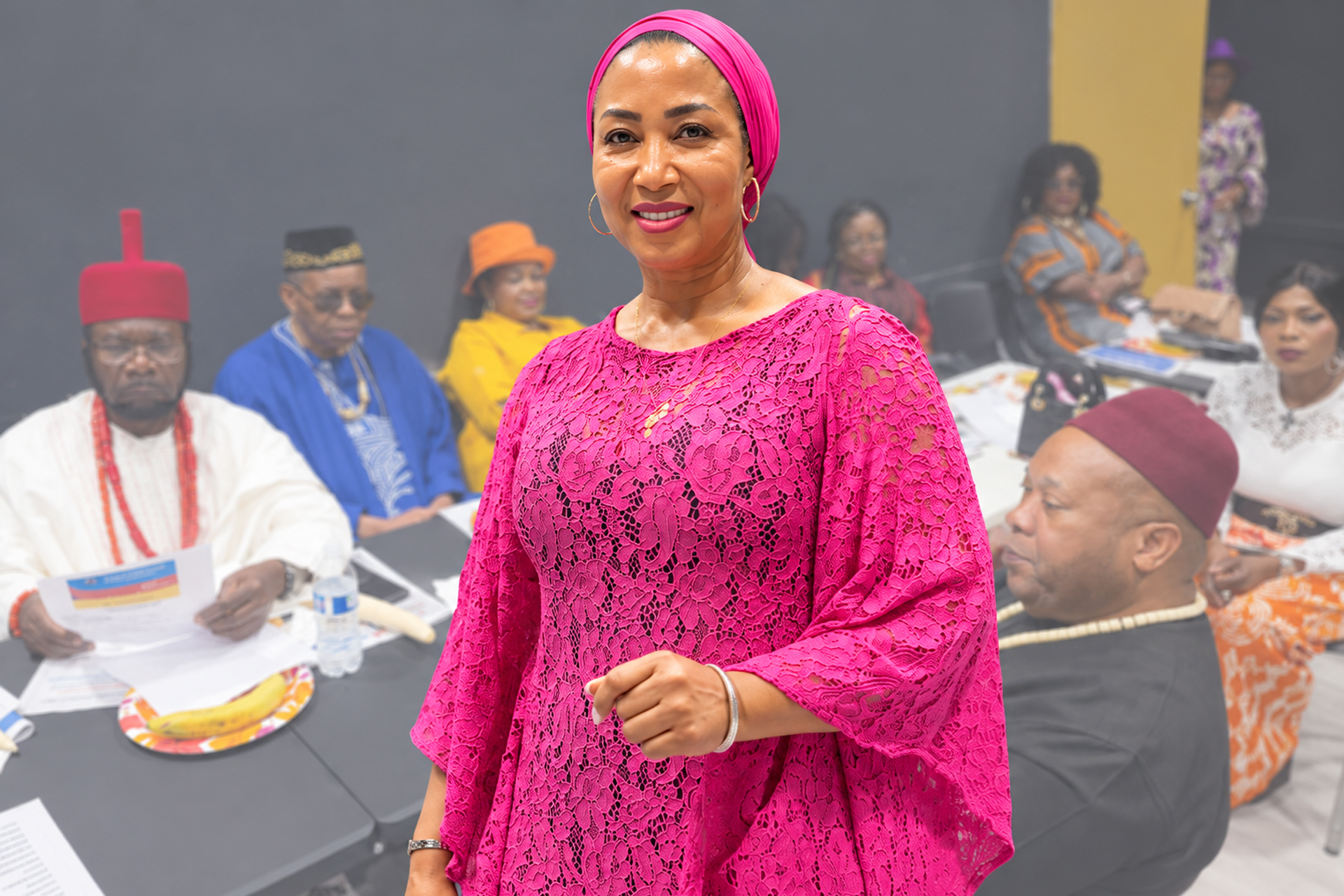
One of the meeting hosts, Hon. Professor Keih George, introduces the co-meeting hosts.
Membership Chairperson Hon. Chief Udoji Achebe said the branch remains interested in individuals prepared to participate actively in its programs and fellowship.
“Membership is about belonging, but it is equally about participation and contribution. We are delighted to welcome Dr. Ugwu and other prospective members who share the principles and aspirations of People’s Club.”
For SLPCNI, the growing interest following its induction represents another chapter in the evolution of a branch with a special place in the organization’s history.
And for Ugwu, it marks the beginning of a new journey—one centered on friendship, community, and service.


Fifty and Fabulous: Chief Oby Marcel Celebrates a Golden Milestone in Houston

People’s Club Sugar Land Is Growing — Grand Patron Mbachu Explains Why

Professor Josephine Onyido Earns Prestigious Nigerian Academy of Education Induction

Emotional Conflict: Is She Toying with Me?

Corruption at the Nigerian Consulate Atlanta – A Victim’s Nightmarish Experience

Gowon’s Book and the Dangerous Politics of Selective Memory

Video: Omambala Cultural Association in Houston Celebrates Motherhood with Joyous Igbo-Inspired Mother’s Day Event

VIDEO: Chris Hollins Opens Cartoon Art Showcase at TSU’s CommWeek

Commissioner Dexter L. McCoy speaks about the African-American Memorial Event
-

 Houston4 weeks ago
PCNI Elevates Chief Dr. Emmanuel Opara to Patron in Historic Ihiagwa Investiture
-

 Houston1 month ago
Membership Surge Continues as Dr. Nkem Ugwu Joins People’s Club
-
 Community4 weeks ago
People’s Club Sugar Land Is Growing — Grand Patron Mbachu Explains Why
-
 Education4 weeks ago
Professor Josephine Onyido Earns Prestigious Nigerian Academy of Education Induction
-
 Houston2 weeks ago
Fifty and Fabulous: Chief Oby Marcel Celebrates a Golden Milestone in Houston