

United States
Report Indicates Africa faces growth slowdown due to war on Iran





Education
TSU’s CommWeek Positions School of Communication at the Forefront of AI, Innovation, and Student Success
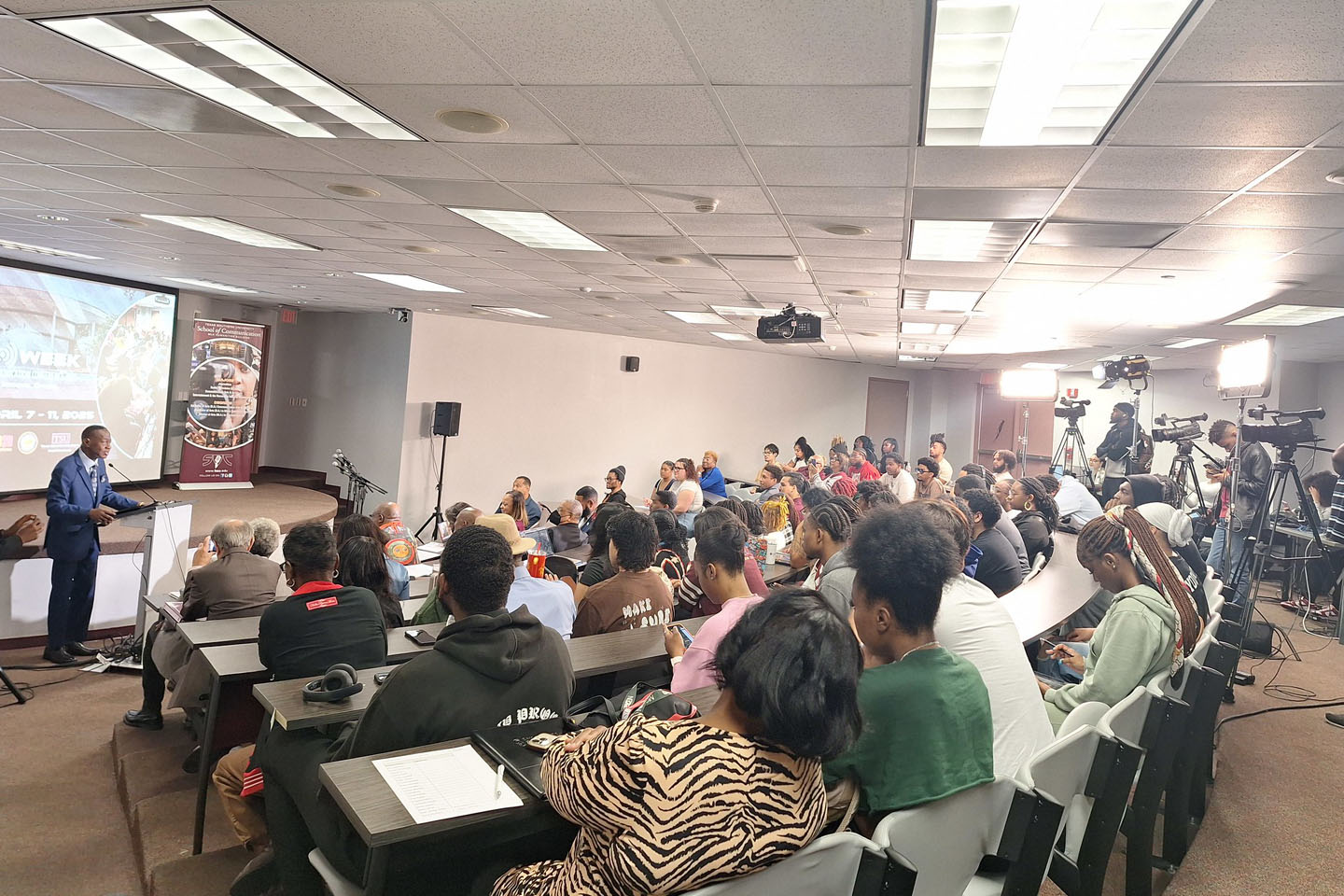
HOUSTON, TX — Texas Southern University’s School of Communication is set to host its 44th Annual Media and Communication Conference (CommWeek 2026) from April 6–10 at the Martin Luther King Jr. Building, bringing together a dynamic mix of scholars, students, industry professionals, and civic leaders to examine the future of media in an increasingly digital and AI-driven world.
Widely regarded as one of the School’s signature academic and professional events, CommWeek has evolved into a powerful platform for intellectual exchange, industry engagement, and student-centered learning. This year’s theme, “Beyond the Algorithm: Reimagining Media, Learning & Innovation with AI,” reflects the growing influence of artificial intelligence across journalism, entertainment, digital storytelling, and communication education.
Throughout the week, participants will engage in a series of panels, workshops, masterclasses, and networking sessions designed to explore how emerging technologies are reshaping media ecosystems. Discussions will address critical topics such as AI-driven content creation, ethical considerations in automated communication, evolving media business models, and the future of audience engagement.
According to Interim Dean Dr. Alan K. Caldwell, CommWeek represents a strategic opportunity to elevate the School’s academic and professional profile.
“Communication Week represents more than a conference; it is a powerful platform to strengthen the School of Communication’s brand, showcase the excellence of our students and faculty, and highlight the innovative work happening across our programs,” Caldwell said. “By bringing together industry leaders, scholars, and alumni, we create collaborative connections that position our school as a hub for forward-thinking communication education.”

Conference Chair Dr. Anthony Obi Ogbo (left) and Interim Dean Dr. Alan K. Caldwell: CommWeek has evolved into a powerful platform for intellectual exchange, industry engagement, and student-centered learning.
In addition to its academic significance, CommWeek plays a vital role in advancing student success. A key highlight of the conference is the Dean’s Banquet and Scholarship Awards, which raises funds to support academically talented and financially underserved students. These scholarships help reduce financial barriers, cover tuition and educational resources, and improve student retention and graduation outcomes.
For Conference Chair Dr. Anthony Obi Ogbo, CommWeek 2026 represents both a continuation of tradition and a bold step toward the future of communication education.
“CommWeek is where scholarship meets practice and where innovation becomes accessible,” Ogbo said. “This conference is not only about examining the future of media—it is about preparing our students to lead it. By integrating academic rigor with industry insight, we are building a platform that empowers our students, strengthens our institutional identity, and fosters meaningful collaborations that extend far beyond the classroom.”
The conference also emphasizes experiential learning, offering students direct access to industry professionals, hands-on workshops, and career development opportunities. These interactions provide invaluable exposure to real-world practices and help bridge the gap between academic training and professional application.
As a historically Black university with a long-standing commitment to cultural responsiveness and community impact, Texas Southern University continues to position its School of Communication as a leader in preparing students for both local and global media landscapes. CommWeek reinforces this mission by creating an inclusive space where diverse voices, perspectives, and ideas can thrive.
Open to students, alumni, and the broader community, CommWeek 2026 is free to attend and serves as a testament to TSU’s commitment to accessibility, innovation, and academic excellence.
For more information and the full conference schedule, visit www.soc-commweek.com.
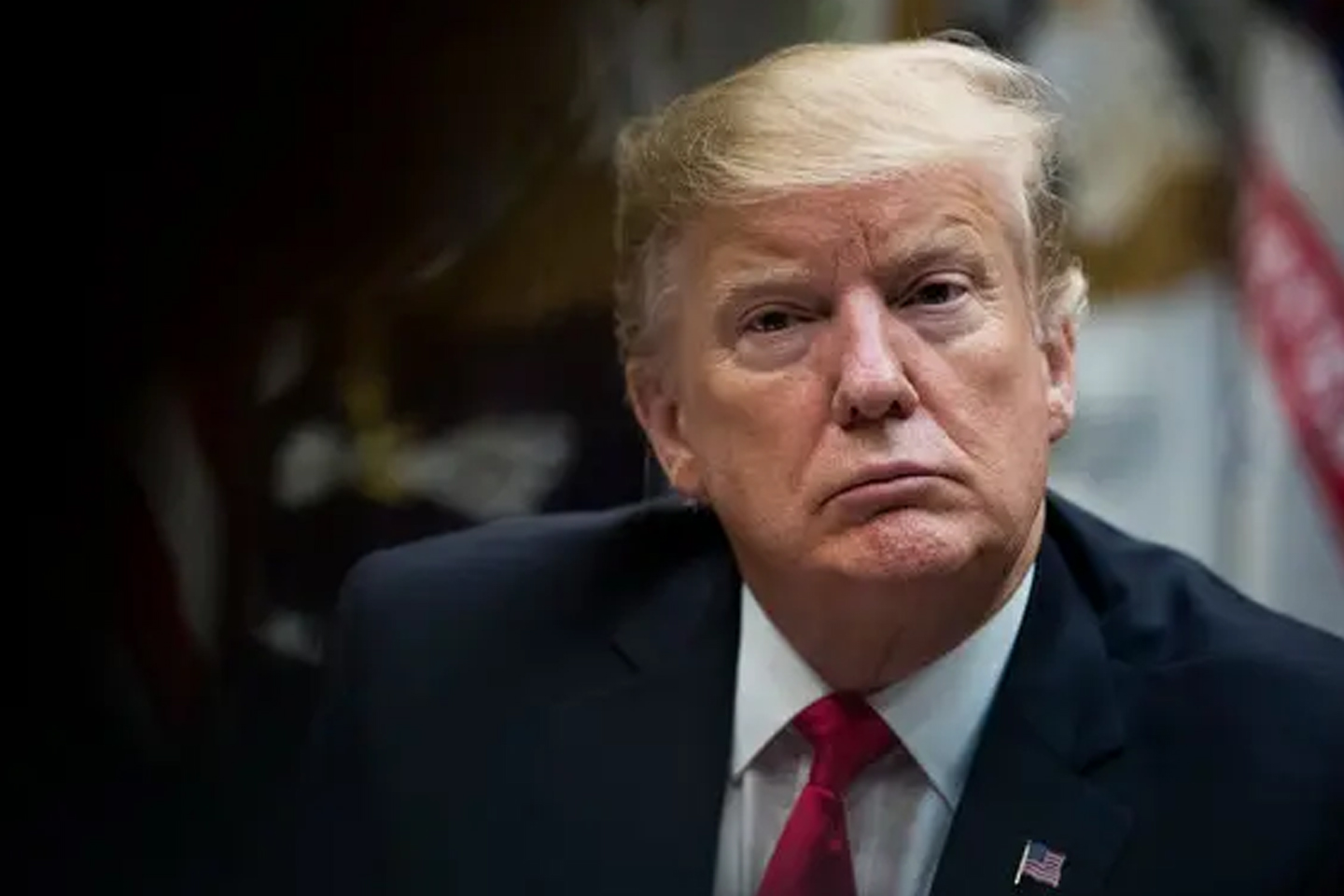
As the US-Israel and Iran war enters its 6th week, the Iranian military has responded to Donald Trump‘s threats from the Sunday outburst. The president warned Iran that they would be “living in hell” if they didn’t open the Strait of Hormuz. Responding to Trump’s Sunday rant, Iran’s military responded that if he plans to harm the civilians, then their retaliation would be far stronger and larger in scale.
Following threats from Donald Trump, the Iranian military issued a statement warning that if civilian infrastructure is impacted, they will not remain silent, and their retaliation would be more severe. The statement read, “If attacks on civilian targets are repeated, the next stages of our offensive and retaliatory operations will be much more devastating and widespread.”
This statement comes amid Trump’s outburst on Truth Social, where he demanded that Iran open the Strait of Hormuz or face serious consequences. Naming potential targets, he said, “Tuesday will be Power Plant Day and Bridge Day, all wrapped up in one in Iran. There will be nothing like it!!!” Threatening Iran further, he added, “Open the F*ckin’ Strait, you crazy b*st*rds, or you’ll be living in Hell – JUST WATCH!” He concluded his post with, “Praise be to Allah.”
Additionally, Mohammad Bagher Qalibaf, the speaker from Iran’s Parliament, also responded to Trump’s public threats on X (formerly Twitter). He noted that his “reckless” moves are pushing the US into “living hell” for every person residing there. Condemning the president’s latest tweet, he added, “Our whole region is going to burn because you insist on following Netanyahu’s commands. Make no mistake: You won’t gain anything through war crimes.”
In a follow-up tweet, Qalibaf wrote that the only solution to this conflict is for the president to start respecting the Iranian people and to put a stop to this “dangerous game.”
“Nigeria reframed terrorism, corrected Washington’s lens, and secured cooperation —a pure anatomy of diplomatic turnaround“ —Anthony Obi Ogbo
Nigeria’s recent engagement of a United States–based lobbying firm under a reported $9 million contract was widely scrutinized, predictably misunderstood by some, and quietly effective. The objective was clear: to shape Washington’s understanding of Nigeria’s complex security challenges—particularly violence affecting Christian communities—within an accurate geopolitical, intelligence, and regional framework. Such engagements are not unusual. In fact, they are a routine and essential feature of modern international diplomacy, allowing governments to clarify policy positions, counter distorted narratives, and ensure that domestic security crises are not flattened into simplistic talking points for foreign consumption.

In an era where global perception can influence aid, sanctions, military cooperation, and diplomatic goodwill, strategic communication has become inseparable from national security. Nigeria’s decision to professionally engage Washington signaled an understanding that security today is fought not only on the battlefield but also in briefing rooms, policy memos, and diplomatic corridors.
Evidence suggests that this recalibration has begun to yield results. Just days ago, former U.S. President Donald Trump publicly acknowledged—belatedly—that Muslims are equally among the primary victims of ISIS terrorism. It was a striking rhetorical shift for a political figure who had long leaned on broad, inflammatory framing that blurred the distinction between extremist violence and religious identity. That admission did not emerge in a vacuum. It followed sustained pressure from global security analysts, regional experts, and Muslim leaders who have repeatedly challenged the false narrative that terrorism is rooted in faith rather than criminal ideology, geopolitical instability, and organized violence.
More importantly, the acknowledgment coincided with tangible policy movement. Trump-aligned U.S. security networks have quietly expanded counterterrorism cooperation with Nigeria under President Bola Ahmed Tinubu’s administration. This development underscores a pragmatic recognition that effective counterterrorism is not achieved through threats, isolation, or performative rhetoric, but through partnership, intelligence sharing, and regional capacity building.
This week, the United States delivered fresh military supplies to Nigeria to support ongoing security operations. The delivery followed recent U.S. air strikes against Islamic State West Africa Province (ISWAP) targets, carried out at Nigeria’s formal request. While air strikes often attract public attention, the more consequential story lies beneath the surface: a shift toward coordinated intelligence operations, logistical support, and sustained military collaboration. This is not symbolic diplomacy. It is functional, operational alignment.
Contrast this moment with an earlier chapter in Nigeria–U.S. relations. During the Jonathan administration, Nigeria experienced significant difficulties in its diplomatic engagement with Washington. Rather than relying on seasoned foreign policy professionals, security strategists, and international communications experts, the government leaned heavily on local intermediaries and political loyalists to interpret and convey Nigeria’s position abroad. The result was a weakened diplomatic posture, fragmented messaging, and persistent misinterpretation of Nigeria’s internal security realities. Critical issues—ranging from Boko Haram’s evolution to regional insurgency dynamics—were often viewed through incomplete or distorted lenses.
That experience offered a lasting lesson: goodwill alone does not translate into influence. In global politics, perception must be managed as deliberately as policy. Strategic silence, amateur diplomacy, or reactive communication leaves a vacuum—one that is quickly filled by external narratives, advocacy groups, or political opportunists with their own agendas.
What has changed now is not merely tone, but method. Nigeria’s current approach reflects an understanding that diplomacy is not capitulation, and lobbying is not a sign of weakness. It is leverage. It is preparation. It is the disciplined articulation of national interest in a language that global power centers understand. By engaging professionally, Nigeria reframed its security narrative—not as a sectarian failure, but as a shared counterterrorism challenge that requires international coordination.
Even Donald Trump’s posture illustrates this transformation. A leader who once relied on threats, ultimatums, and rhetorical spectacle has now, through institutional channels, become part of a support framework working with regional actors to strengthen security and civilian protection. The shift is not ideological; it is a strategic move. And it reflects the enduring truth that diplomacy often succeeds where bluster fails.
In international politics, power is not only measured by firepower or economic weight, but by the ability to persuade, align, and sustain cooperation. Nigeria’s recent experience is a reminder that nations are not judged solely by their crises, but by how effectively they explain, manage, and confront them on the global stage. Diplomacy, when practiced with clarity and professionalism, does not dilute sovereignty—it reinforces it.
♦ Publisher of the Guardian News, Professor Anthony Obi Ogbo, Ph.D., is on the Editorial Board of the West African Pilot News. He is the author of the Influence of Leadership (2015) and the Maxims of Political Leadership (2019). Contact: anthony@guardiannews.us


TSU’s CommWeek Positions School of Communication at the Forefront of AI, Innovation, and Student Success

Report Indicates Africa faces growth slowdown due to war on Iran

Donald Trump Receives Message From Iran After His Threats

Emotional Conflict: Is She Toying with Me?

Corruption at the Nigerian Consulate Atlanta – A Victim’s Nightmarish Experience

From Threats to Partnership: How Diplomacy Repositioned Nigeria in Washington

Video: Omambala Cultural Association in Houston Celebrates Motherhood with Joyous Igbo-Inspired Mother’s Day Event

VIDEO: Chris Hollins Opens Cartoon Art Showcase at TSU’s CommWeek
