Connect with us

Politics

Here’s What Exit Polls Say About Black Voter Support For Kamala Harris

Published

on

Exit polls have revealed that Black voters supported Vice President Kamala Harris similarly to the way they backed President Joe Biden in the 2020 election.

Donald Trump was projected to defeat Harris in the early hours after Election Day, securing the 270 electoral votes needed to win the White House through victories in key swing states like Pennsylvania and Wisconsin.

As the nation reflects on Harris’ loss, some have questioned whether Black voters supported the Democratic candidate enough to push her to the White House.

Black voter support for Harris has been an ongoing conversation during the 2024 presidential campaign. Several political pundits claimed Harris had lost traction with Black male voters.

However, exit polling from Black voters nearly matched numbers from the 2020 election.

86 percent of the nation’s Black voters cast their ballots for Harris, while 12 percent voted for Trump, according to CNN exit polls. In 2020, Biden similarly received 87 percent of the Black vote to Trump’s 12 percent.

Black women also maintained their voting patterns from 2020, with 92 percent voting for Harris. 78 percent of Black men backed Harris, which is just one percentage point less than 2020.

Exit polling numbers make it apparent that the Black vote continued to act as a stabilizing force for Democrats. In contrast, 52 percent of white women voters and 54 percent of Latino men backed the Republican candidate.

Continue Reading
Click to comment

Leave a Reply

Education

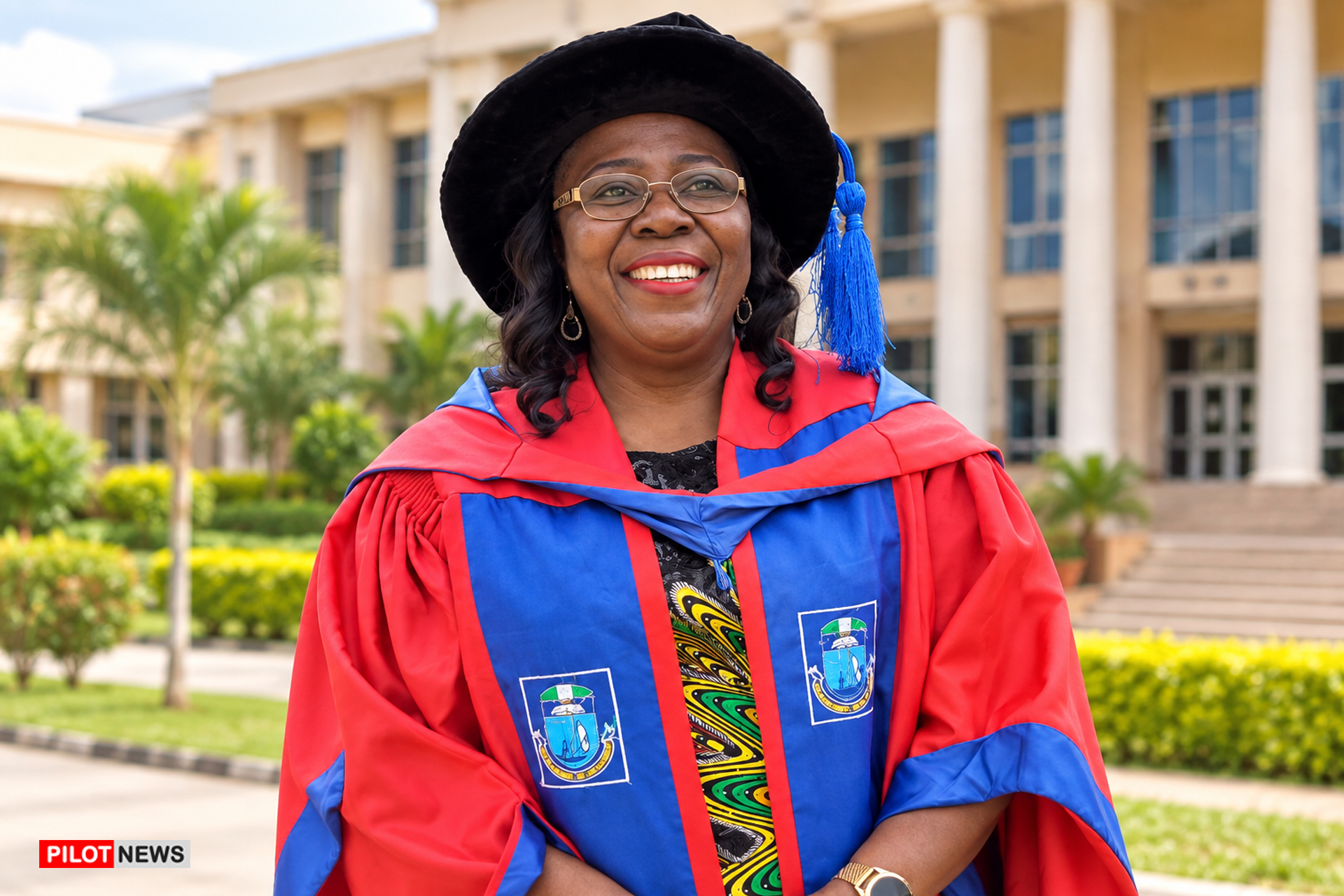
Professor Josephine Onyido Earns Prestigious Nigerian Academy of Education Induction

Published

on

University of Port Harcourt scholar will be inducted into Nigeria’s apex education academy in Abuja, marking another milestone in a career spanning teaching, research, leadership, mentorship and advocacy

HOUSTON, TEXAS — Professor Josephine Azuka Onyido, an accomplished scholar and academic leader at the University of Port Harcourt, will be inducted into the Nigerian Academy of Education on Wednesday, November 4, 2026, in recognition of her contributions to the advancement of education.

The ceremony, scheduled for the Conference Hall of the National Commission for Colleges of Education in Abuja, places Onyido among scholars recognized for sustained contributions to education, research, and academic development in Nigeria.

A Professor in the Department of Educational Foundations at the University of Port Harcourt, Onyido has built a career encompassing teaching, research, administration, mentorship, curriculum development, and institutional service.

She described the forthcoming recognition as both an honor and a renewed obligation to education. “I receive this recognition with profound gratitude and humility. My journey in education has always been driven by the belief that scholarship must extend beyond the classroom and contribute meaningfully to society. This induction is not simply a personal achievement; it strengthens my responsibility to continue advancing quality education, mentoring future scholars, and promoting opportunities for women and girls. I am deeply grateful to my family, colleagues, students, and everyone who has been part of this journey.”

Onyido earned a Bachelor of Arts in Education (English), a Master of Education, and a Ph.D. in Sociology of Education. She is also a permanent member of the University of Port Harcourt Senate. Her scholarly record includes more than 90 journal articles, book chapters and Sociology of Education Made Easy, a textbook developed to make concepts in the discipline more accessible to students.

Much of her research examines the intersection of education and society, with particular emphasis on gender, women’s empowerment, educational development, social justice and the rights of women and girls. Her work advocates translating academic research into policies and practices that expand educational opportunities and strengthen human-capital development.

Beyond research, Onyido has occupied several academic leadership positions. She served as Acting Head of the Department of Educational Foundations from 2021 to 2023 and has worked as the Departmental Coordinator of Postgraduate Programs, the Anti-Plagiarism Coordinator, the Academic Adviser, and the Editor of the Port Harcourt Journal of Education Studies.

Her influence also extends beyond her university. She has served as an external examiner for several institutions and has participated as a resource person for the National Teachers’ Institute, the University of Port Harcourt, the Centers for Higher Education and Sandwich Programs, and the National Universities Commission verification exercise.

Internationally, Onyido represented the Niger Delta Development Commission at the African Women in Leadership Conference in Kigali, Rwanda, expanding her engagement with issues of women’s leadership, empowerment, and social transformation.

She belongs to several professional organizations, including the Teachers Registration Council of Nigeria, the Association of Sociologists of Education of Nigeria, and the International Association for Gender Equity.

Her academic and community work have earned numerous recognitions, including the Millennium Development Ambassador Award, Lecturer of the Year, Outstanding Project Supervisor, and Professional Service awards.

Yet Onyido’s story also reaches deeply into heritage and service. She is the great-great-granddaughter of King Josiah Constance Ockiya, MINGI VII, Amanyanabo of Nembe Kingdom and Supreme King of Brass. Her great-grandfather, Rev. Daniel Ockiya, translated the Bible into the Nembe language.

A committed Catholic and Jerusalem pilgrim, she has also served in church and community leadership positions and was recognized by the Catholic Women Organization of the Port Harcourt Diocese as a “Quintessential Woman.”

For Onyido, the November 4 induction represents more than another distinction on an extensive academic résumé. It recognizes a career built around an enduring principle: education achieves its greatest value when knowledge is transformed into opportunity, service, and social progress.

Continue Reading

Houston

PCNI Elevates Chief Dr. Emmanuel Opara to Patron in Historic Ihiagwa Investiture

Published

on

Sugar Land People’s Club leaders celebrate their First Vice Chairman’s December 22 investiture, describing the honor as recognition of leadership, scholarship, service, and commitment to the enduring ideals of the People’s Club

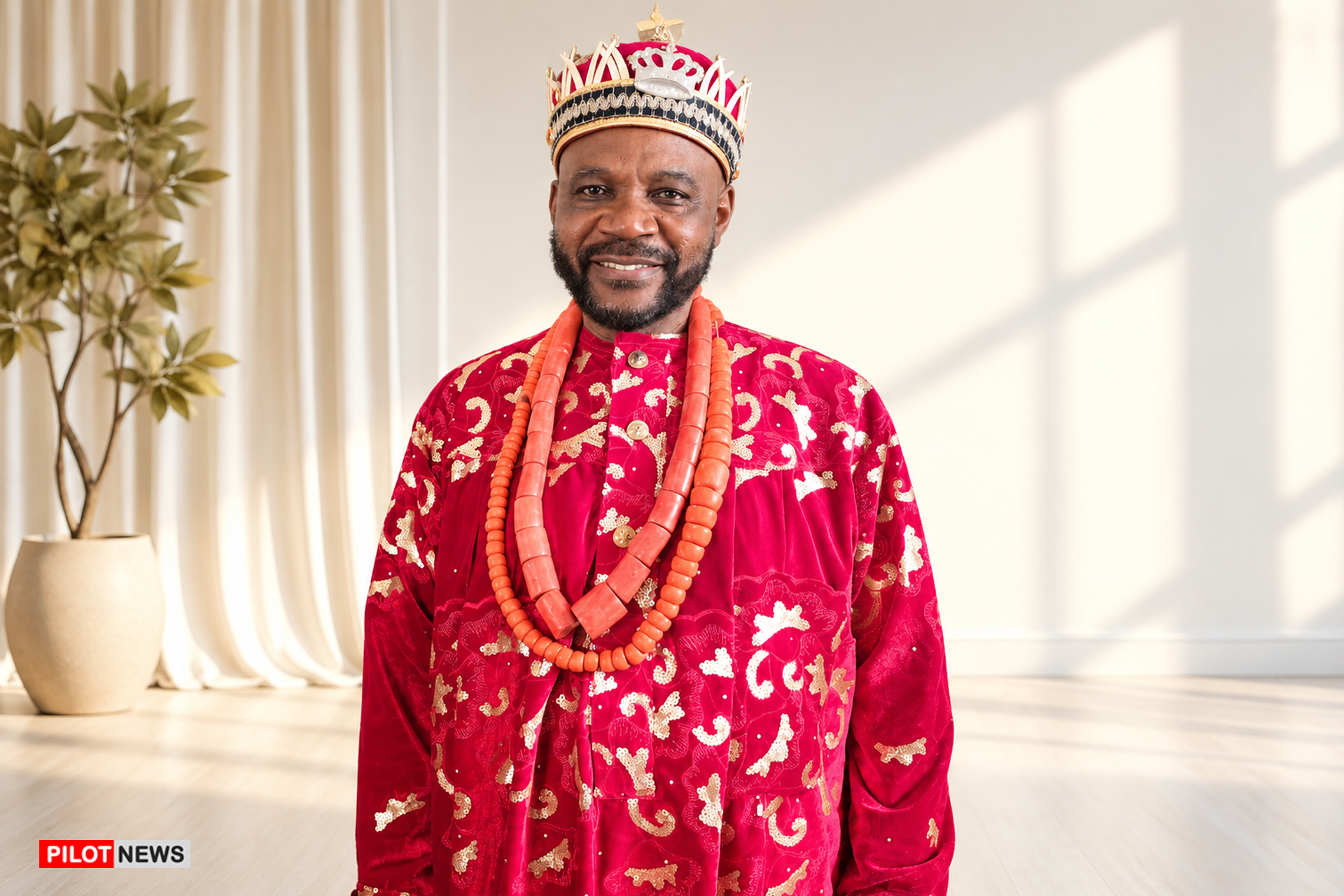
HOUSTON, TEXAS — All roads will lead to Ihiagwa, Owerri, Imo State, Nigeria, on December 22, 2026, as members, associates, and well-wishers of People’s Club of Nigeria International gather for the Patronship Investiture of Hon. Chief Dr. Emmanuel Uzoma Opara, First Vice Chairman of the Sugar Land People’s Club of Nigeria International (SLPCNI).

The ceremony will mark another milestone for the Sugar Land branch, historically recognized within the organization as its First International Branch, and will elevate one of its senior officers into the distinguished circle of PCNI patrons.

Since its inception in 1971, the People’s Club of Nigeria has developed into an international social and philanthropic organization with branches in Nigeria, the United States, and Europe. Its tradition emphasizes fellowship, community service, and the principles of Love, Unity, and Service.

Within that tradition, patronship carries significance beyond a ceremonial title. Patrons are expected to serve as senior advisers, custodians of institutional values, and respected voices in sustaining the organization’s heritage and direction. The recognition is traditionally associated with sustained service, leadership, and commitment to the Club and society.

For Opara, the honor also recognizes a professional life extending far beyond community leadership.

An academic and technology specialist, Opara’s scholarly interests span cybersecurity, digital and media forensics, artificial intelligence, and Agentic AI. His research includes digital forensic investigation, incident response and threat analysis, memory analysis, advanced-adversary containment and intrusion detection, including applications of Python programming.

His work also engages with memory forensics and investigative technologies, as well as the offensive and defensive dimensions of cybersecurity, commonly characterized as Red Team and Blue Team operations.

Opara is a Fellow of the International Information Management Association (FIIMA) and serves as an Associate Editor of the Journal of International Technology and Information Management (JITIM).

Reflecting on the forthcoming investiture, Opara described the recognition as a responsibility rather than simply another distinction.

“I receive this honor with profound gratitude and humility. Patronship represents a responsibility to protect the values that have sustained People’s Club for generations: love, unity, service, and genuine fellowship. Whatever we achieve professionally becomes more meaningful when we use our knowledge, experience, and resources to strengthen our communities and create opportunities for others. I look forward to serving the Club at an even greater level.”

Grand Patron of SLPCNI, Hon. Ide Obinna Nnanyelugo Mbachu, said Opara’s elevation reflects the leadership qualities expected of those entrusted with preserving the organization’s legacy. “Chief Dr. Opara represents the combination of intellectual accomplishment, community service, and organizational commitment that the People’s Club should continue to encourage. Patronship is not merely about recognition; it carries an obligation to guide, support and protect the institution. We are proud that another leader from our Sugar Land family has earned this important honor.”

Hon. Prof. Chris Ulasi, Group Chairman of SLPCNI, said the investiture demonstrates the depth of leadership within the Sugar Land branch. “This is a proud moment for Sugar Land People’s Club. Chief Dr. Opara has distinguished himself through service, scholarship, and dedication to our organization. His investiture strengthens our branch while reinforcing our connection to the national and international People’s Club family. We congratulate him and look forward to celebrating with him in Ihiagwa.”

The December gathering is expected to draw PCNI leaders, patrons, members, family, friends, and community representatives from Nigeria and abroad. Beyond the pageantry of the ceremony, however, Opara’s investiture carries a broader institutional message: leadership within the People’s Club is ultimately measured by service.

On December 22, Ihiagwa will host the celebration. But for Sugar Land, the occasion will also be a celebration of one of its own—a scholar, technology professional, and community leader entering a new chapter of responsibility in the People’s Club tradition.

Continue Reading

Anthony Obi Ogbo

Between Silence and Sabotage: Jonathan’s Return to Political Manipulation

Published

on

“Jonathan’s calculated and weaponized ambiguity breeds deception and weakens emerging political alliances.” —Dr. Anthony Obi Ogbo

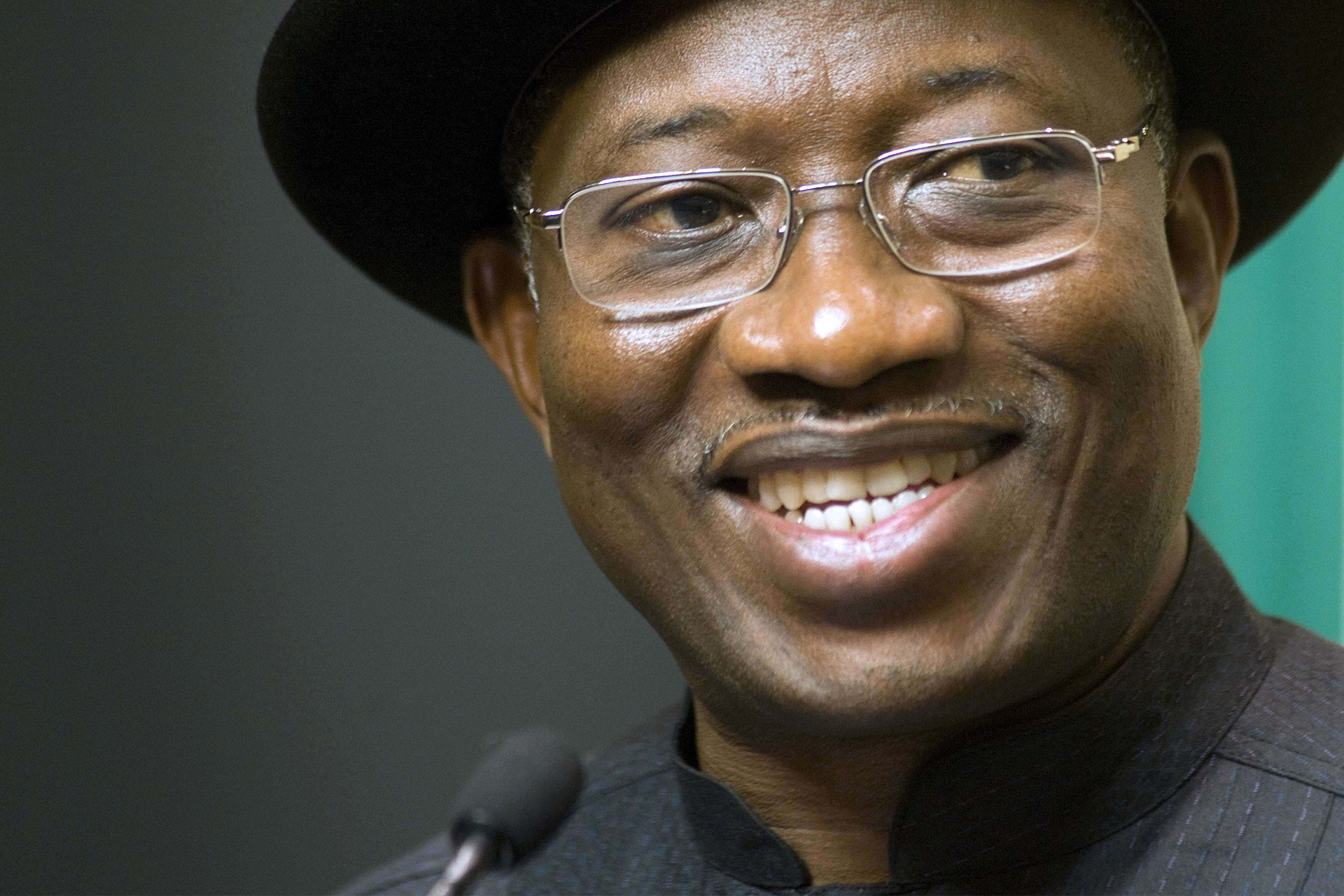
Former Nigerian President Goodluck Jonathan has once again found himself at the center of presidential speculation, floating silently above the country’s political waters while supporters aggressively market him as a possible candidate ahead of another critical election cycle. And once again, Jonathan is doing what he has mastered throughout his political career: saying nothing clearly while allowing political confusion to grow around him.

This pattern is not new. It is the same indecisive political behavior that defined some of the most consequential moments of his rise and fall. Jonathan became president in 2010 following the death of President Umaru Musa Yar’Adua. At the time, many northern political stakeholders within the then-ruling PDP believed there was an informal understanding that Jonathan would complete Yar’Adua’s term but not seek another full term in 2011, thereby preserving the party’s zoning arrangement between North and South. Instead of taking a clear and immediate position, Jonathan spent months dribbling the nation politically. He neither fully denied nor openly confirmed his intentions until the political tension had already escalated nationwide.

By the time he eventually declared his candidacy, the damage had been done. Many northern allies who initially supported him felt betrayed, politically cornered, or deceived. The PDP fractured internally, regional distrust deepened, and Jonathan’s relationship with major northern power blocs deteriorated permanently. Though he won the 2011 election, the cracks created by that indecision followed him into 2015, contributing significantly to the coalition that eventually removed him from power.

Yet Jonathan learned little from that experience. Since losing reelection in 2015, his name has repeatedly surfaced during every major electoral cycle as a potential presidential contender. Each time, his supporters strategically floated his candidacy across media platforms and political circles. Each time, Jonathan refused to decisively shut the door. Silence became his political instrument, whereas ambiguity became his strategy.

Now the country is witnessing the same playbook again. As coalition politics intensify and opposition forces attempt to consolidate around alternative political movements, Jonathan’s name has resurfaced aggressively. Reports and speculations about his presidential ambition continue to dominate political discussions, especially within camps seeking to disrupt the growing momentum surrounding Peter Obi and emerging opposition realignments.

The troubling part is not merely that Jonathan’s supporters are campaigning. The troubling part is that Jonathan fully understands the implications of his silence. He knows that his political stature carries enough weight to destabilize fragile coalition negotiations. He knows his name alone can divide campaign structures, weaken consensus-building, and inject uncertainty into opposition calculations. Yet he refuses to publicly and definitively state where he stands.

That is not statesmanship. That is calculated political ambiguity. Jonathan’s political history is filled with similarly contradictory choices. After losing power in 2015, he received widespread praise for conceding defeat peacefully. He initially framed that decision as a sacrifice made to preserve Nigerian lives and prevent violence. Later, however, different narratives emerged suggesting international pressure, particularly from the United States under President Obama. The shifting explanations weakened what could have remained one of his strongest democratic legacies.

Then came another contradiction. Despite emerging politically from the PDP, Jonathan gradually aligned himself closely with the administration of former President Muhammadu Buhari, serving in diplomatic and goodwill capacities that many PDP loyalists considered politically inappropriate. This unusual closeness fueled longstanding allegations that elements within the APC establishment viewed Jonathan as a useful political instrument capable of destabilizing opposition coalitions from within. Whether those allegations are true or not, Jonathan’s conduct has consistently created room for suspicion.

His political base remains uncertain. His campaign structure is invisible.

Today, his undeclared ambition is already generating confusion among supporters, coalition organizers, and opposition strategists. His political base remains uncertain. His campaign structure is invisible. His intentions are unclear. Yet his loyalists continue mobilizing aggressively in his name while he watches silently from the shadows.

Nigeria is too politically fragile for this kind of elite gamesmanship. At critical national moments, leadership demands clarity, courage, and accountability. Jonathan cannot continue operating as a permanent “maybe” in Nigeria’s political future, thoughtlessly hovering around every election season like an unanswered question designed to manipulate negotiations and weaken emerging alliances.

At this time, Jonathan should sit in or sit out! If he wants to run, he should declare openly, defend his record, and face the democratic process directly. If he does not intend to run, he should immediately and publicly withdraw his name from the political marketplace. Anything short of that increasingly looks less like political strategy and more like calculated deception. Nigeria deserves leaders who make difficult choices openly—not politicians who weaponize silence while others gamble with national uncertainty in their name.

♦ Publisher of the Guardian News, Professor Anthony Obi Ogbo, Ph.D., is on the Editorial Board of the West African Pilot News. He is the author of the Influence of Leadership (2015)  and the Maxims of Political Leadership (2019). Contact: anthony@guardiannews.us

Continue Reading

Trending