

Africa
Coronavirus in Africa: New variants are causing growing concern

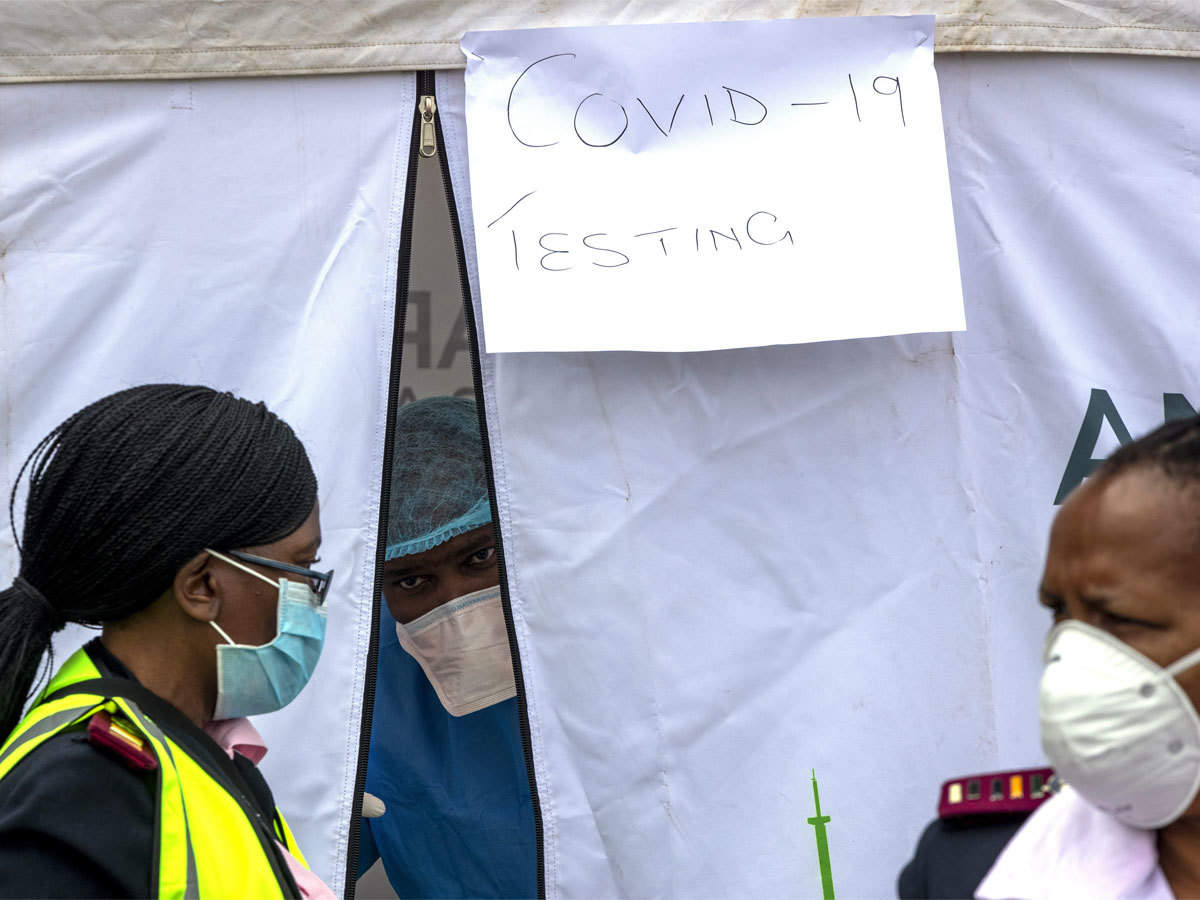
Experts believe the spread of new coronavirus variants in Africa has contributed to an increase in both cases and deaths across the continent.
At least a dozen countries have so far confirmed presence of the variant first detected in India late last year.
But there is concern that new variants can’t easily be tracked because the testing required to identify them isn’t widely available.
What’s the role of the Indian variant?
The new wave of infections in Africa is thought to be partly associated with the emergence of some variants that are more transmissible.
Uganda was the first country on the continent to confirm the presence of a variant first identified in India late last year.
This variant has now been reported in Kenya, Morocco, Algeria, South Africa, Botswana, Angola, DR Congo, Nigeria, Uganda, Zambia and Zimbabwe.
It has been classified by the WHO as a “variant of global concern” with possible increased transmissibility.
Another variant of the virus which emerged in South Africa last year contributed to record case numbers in the southern African region, according to the World Health Organization (WHO).

South Africa has had the most cases on the continent
This variant has also been recorded in more than 20 other African countries.
It’s highly likely to have reached other countries, but few are able to carry out the specialised genomic sequencing to detect coronavirus variants.
In Nigeria, scientists have also identified a new variant of the virus, although there is currently no evidence to indicate it is contributing to increased transmission.
Twenty countries have also reported the presence of a Covid-19 variant first identified in the UK.
The WHO and the African Centres for Disease Control launched a network of laboratories last year to try to boost the continent’s capacity to identify these variants.
It said the emergence of new, and more contagious variants “reinforced the need to step up genomic surveillance.”
This involves analysing the code of the virus to understand its genetic makeup.
However, a recent article in The Lancet pointed out that while efforts were underway to expand this type of work, there were issues around funding, as well as shortages of reagents and staff with the skills required.
What’s happening to case numbers?
Over the past month, new cases across the continent declined by 9%, according to the CDC.
New cases have been rising in countries such as South Africa, Egypt and Nigeria but dropping in DR Congo, Ethiopia and Kenya.
Click here to see the BBC interactive
“Africa is not out of the woods yet, and complacency is not an option at this time,” says the head of immunisation at the WHO Africa office, Richard Mihigo.
Most countries have launched Covid-19 immunisation campaigns, but there are still a few countries yet to roll out or even acquire vaccines.
Death rates have been rising
The number of Covid-related deaths rose by 4% in the past month, according to CDC data.
During the first stage of the pandemic, Africa’s overall fatality rate – the proportion of those with Covid who then die – was lower than elsewhere in the world.
There were a number of theories put forward as to why that might be the case, such as the relatively younger population, and possible cross-immunity from other coronaviruses.

Funeral workers prepare for a burial near Harare, Zimbabwe
But the Africa CDC has warned about rising fatality rates in the continent, saying that of the 55 countries they monitor, 21 are reporting fatality rates above the current global average of 2.2%.
The fatality rate for Africa has crept up since July last year when it was on average 2.1% – to 2.7% in April this year (measured over the duration of the pandemic).
A study published in The Lancet suggests hospital patients who are critically ill with Covid-19 in Africa are far more likely to die than in other parts of the world because of limited healthcare resources.
Researchers, who looked at patients in hospitals across 10 African countries, found that nearly half of those who needed intensive care died, whereas the global average was less than a third.
The global fatality rate has fallen since the start of the pandemic, which in itself would put more African countries above the global average.
And fatality rates are also affected by how much testing is done – a country with low levels of testing will show a higher death rate because many non-fatal Covid cases are going undetected.
Click here to see the BBC interactive
More importantly, data for deaths should be treated with caution, given the wide variations in how countries record them.
In South Africa, research into excess deaths – that’s the number of deaths in a certain period above what would normally be expected – shows that there were 153,668 more deaths between 6 May last year and 10 April this year.
The official death toll from Covid-19 since the start of the pandemic is just above 53,000.
And South Africa was just one of eight countries on the continent that the BBC found had adequate death registration systems.
So coronavirus deaths across Africa as a whole are likely to be under-recorded.
There are wide variations in testing rates and while some countries have reduced testing, others have maintained or even increased it at different points during the pandemic.
Culled from the BBC

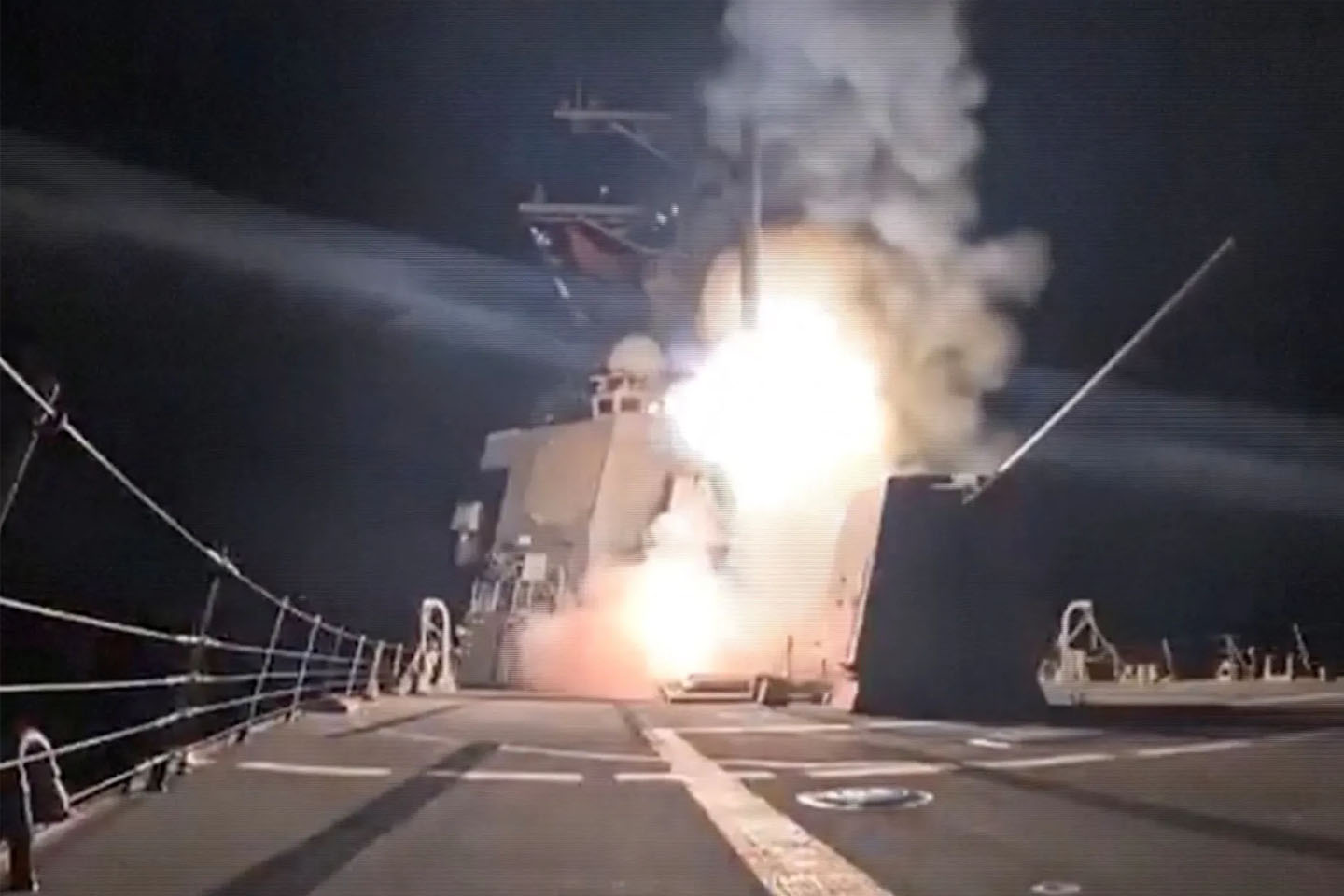
The brief detention of a Nigerian Air Force C-130 Hercules aircraft and its crew in Burkina Faso may have ended quietly, but it exposed a deeper rift shaped by mistrust, insecurity, and uneven military power in West Africa. What was officially a technical emergency landing quickly became a diplomatic and security flashpoint, reflecting not hostility between equals, but anxiety between unequally matched states navigating very different political realities.
On December 8, 2025, the Nigerian Air Force transport aircraft made an unscheduled landing in Bobo-Dioulasso while en route to Portugal. Nigerian authorities described the stop as a precautionary response to a technical fault—standard procedure under international aviation and military safety protocols. Burkina Faso acknowledged the emergency landing but emphasized that the aircraft had violated its airspace, prompting the temporary detention of 11 Nigerian personnel while investigations and repairs were conducted. Within days, the crew and aircraft were released, underscoring a professional, if tense, resolution.

Yet the symbolism mattered. In a Sahel region gripped by coups, insurgencies, and fragile legitimacy, airspace is not merely technical—it is political. Burkina Faso’s reaction reflected a state on edge, hyper-vigilant about sovereignty amid persistent internal threats. Nigeria’s response, measured and restrained, reflected confidence rooted in capacity.
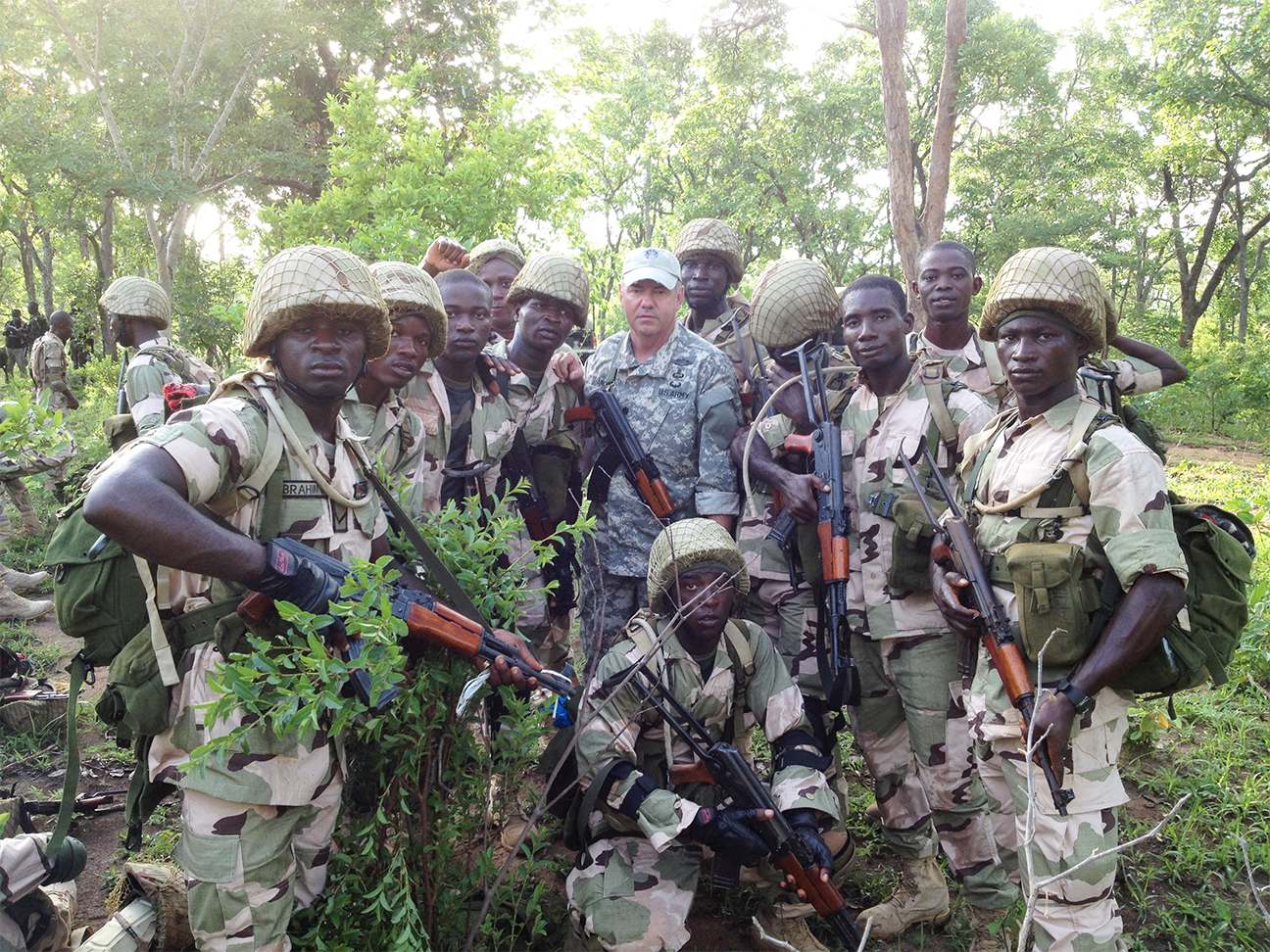
The military imbalance between the two countries is stark. Nigeria fields one of Africa’s most formidable armed forces, with a tri-service structure that includes a large, well-equipped air force, a dominant regional navy, and a sizable army capable of sustained operations. The Nigerian Air Force operates fighter jets such as the JF-17 and F-7Ni, as well as A-29 Super Tucanos for counterinsurgency operations, heavy transport aircraft like the C-130, and an extensive helicopter fleet. This force is designed not only for internal security but for regional power projection and multinational operations.
Burkina Faso’s military, by contrast, is compact and narrowly focused. Its air arm relies on a limited number of light attack aircraft, including Super Tucanos, and a small helicopter fleet primarily dedicated to internal counterinsurgency. There is no navy, no strategic airlift capacity comparable to Nigeria’s, and limited logistical depth. The Burkinabè military is stretched thin, fighting multiple insurgent groups while also managing the political consequences of repeated military takeovers.
This imbalance shapes behavior. Nigeria’s military posture is institutional, outward-looking, and anchored in regional frameworks such as ECOWAS. Burkina Faso’s posture is defensive, reactive, and inward-facing. Where Nigeria seeks stability through deterrence and cooperation, Burkina Faso seeks survival amid constant internal pressure. That difference explains why a technical landing could be perceived as a “serious security breach” rather than a routine aviation incident.
The incident also illuminates why Burkina Faso continues to struggle to regain political balance. Repeated coups have eroded civilian institutions, fractured command structures, and blurred the line between governance and militarization. The armed forces are not just security actors; they are political stakeholders. This creates a cycle where insecurity justifies military rule, and military rule deepens insecurity by weakening democratic legitimacy and regional trust.
Nigeria, despite its own security challenges, has managed to avoid this spiral. Civilian control of the military remains intact, democratic transitions—however imperfect—continue, and its armed forces operate within a clearer constitutional framework. This stability enhances Nigeria’s regional credibility and amplifies its military superiority beyond hardware alone.
The C-130 episode did not escalate into confrontation precisely because of this asymmetry. Burkina Faso could assert sovereignty, but not sustain defiance. Nigeria could have asserted its capability, but chose restraint. In the end, professionalism prevailed.
Still, the rift lingers. It is not about one aircraft or one landing, but about two countries moving in different strategic directions. Nigeria stands as a regional anchor with superior military power and institutional depth. Burkina Faso remains a state searching for equilibrium—politically fragile, militarily constrained, and acutely sensitive to every perceived threat from the skies above.



Fifty and Fabulous: Chief Oby Marcel Celebrates a Golden Milestone in Houston

People’s Club Sugar Land Is Growing — Grand Patron Mbachu Explains Why

Professor Josephine Onyido Earns Prestigious Nigerian Academy of Education Induction

Emotional Conflict: Is She Toying with Me?

Corruption at the Nigerian Consulate Atlanta – A Victim’s Nightmarish Experience

Gowon’s Book and the Dangerous Politics of Selective Memory

Video: Omambala Cultural Association in Houston Celebrates Motherhood with Joyous Igbo-Inspired Mother’s Day Event

VIDEO: Chris Hollins Opens Cartoon Art Showcase at TSU’s CommWeek

Commissioner Dexter L. McCoy speaks about the African-American Memorial Event
-

 Houston1 month ago
PCNI Elevates Chief Dr. Emmanuel Opara to Patron in Historic Ihiagwa Investiture
-

 Houston1 month ago
Membership Surge Continues as Dr. Nkem Ugwu Joins People’s Club
-
 Community4 weeks ago
People’s Club Sugar Land Is Growing — Grand Patron Mbachu Explains Why
-
 Education1 month ago
Professor Josephine Onyido Earns Prestigious Nigerian Academy of Education Induction
-
 Houston2 weeks ago
Fifty and Fabulous: Chief Oby Marcel Celebrates a Golden Milestone in Houston