

News
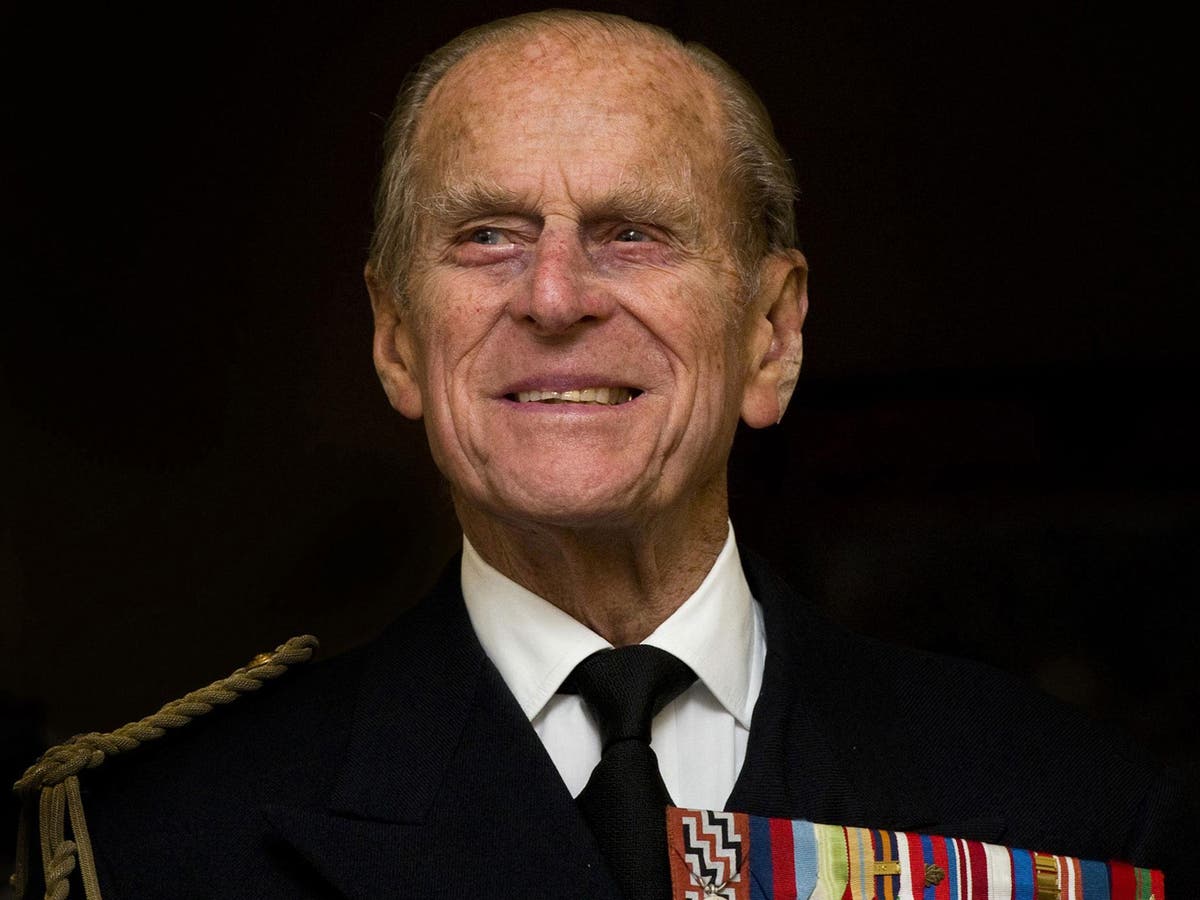
How the world is reacting to Prince Philip, husband of Britain’s Queen Elizabeth II

Leaders
British Prime Minister Boris Johnson gave a short speech on Friday, remembering Prince Philip “for his steadfast support for Her Majesty the Queen, not just as her consort, by her side, every day of her reign, but as her husband, her strength and stay of more than 70 years.”
“And it is to Her Majesty, and her family, that our nation’s thoughts must turn today,” Johnson said.
The White House tweeted a statement from President Biden, saying: “Prince Philip’s legacy will live on not only through his family, but in all the charitable endeavors he shaped. Jill and I are keeping the Queen and Prince Philip’s children, grandchildren, great-grandchildren, and the people of the United Kingdom in our hearts during this time.”
Speaking at the White House later, Mr. Biden offered his condolences to the queen and her family, and said of Prince Philip, “He was a heckuva guy. … His lifetime of service to the United Kingdom and the whole commonwealth was visible to everybody for a long, long time. And his bravery, serving in WWII, as well as his being champion of the environment, as well as the charitable things he set up. So, we really do express our condolences for an extraordinary life that was led by the prince.”
He added, “Ninety-nine years old and he never slowed down at all. … I admire the devil out of him.”
Vice President Kamala Harris also offered words of praise for the prince. “Whether he was promoting environmentalism or the wellbeing of military families, he brought a profound sense of purpose to all he did,” she said in a statement.

New Zealand’s Prime Minister Jacinda Ardern said Prince Philip will always be remembered in her country for the Duke of Edinburgh’s Hillary Award. “In over fifty years of The Award in New Zealand, thousands of young people have completed life-changing challenges through the programme,” Ardern said. The youth achievement award gives opportunities to young people between 14 and 24 to learn new skills and give back to their communities.
Canada’s Prime Minister Justin Trudeau tweeted about Prince Philip, saying he was a “man of great purpose and conviction, who was motivated by a sense of duty to others, Prince Philip contributed so much to the social fabric of our country — and the world.”
Justin Welby, Archbishop of Canterbury, said he was “always struck by [Prince Philip’s] obvious joy at life, his enquiring mind and his ability to communicate to people from every background and walk of life.”
“He was a master at putting people at their ease and making them feel special,” Welby said.
Former President George W. Bush also released a statement on Prince Philip, saying he and former first lady Laura Bush were saddened by the news. “Throughout his long and remarkable life, he devoted himself to worthy causes and to others. He represented the United Kingdom with dignity and brought boundless strength and support to the sovereign. Laura and I are fortunate to have enjoyed the charm and wit of his company, and we know how much he will be missed,” Mr. Bush said.
Former President Donald Trump called Prince Philip “a man who embodied the noble soul and proud spirit of the United Kingdom and the Commonwealth.”
“Over the past few years, Melania and I were honored to have the opportunity to visit the United Kingdom,” Mr. Trump said in a statement. “We saw firsthand how the Monarchy epitomizes and carries on the virtues of the British People—and no one did so more than Prince Philip.”
London Mayor Sadiq Khan, First Minister of Scotland Nicola Sturgeon, and President of Ireland Michael Higgins also tweeted statements and condolences.
Public figures
Prince Harry and Meghan, the Duke and Duchess of Sussex, added a tribute to Harry’s grandfather to the homepage of their website, Archwell. “In loving memory of His Royal Highness The Duke of Edinburgh 1921-2021,” the simple message read. “Thank you for your service…You will be greatly missed.”
British TV personality Carol Jean Vorderman shared two black and white photos of Prince Phillip and Queen Elizabeth II – one when they were young, and a more recent shot. “I went for a private lunch with The Queen at Buckingham Palace quite a few years ago,” she wrote on Instagram. “They were both in their 80s and Prince Philip and she were flirting with each other madly and laughing. Theirs was a love and a marriage of more than 73 years. Deepest condolences Ma’am.”
Many others remembered Philip as the beloved husband of the queen, sharing old photographs of the couple and their children.

Prince Philip through the years29 PHOTOS
“Extremely sad day. HRH Prince Philip, The Duke of Edinburgh has passed away aged 99. His service to our Queen and Country was remarkable. Our longest serving consort in British History,” wrote golfer Ian Poulter.
British singer and actress Elaine Page tweeted: “My deepest condolences to HM Queen Elizabeth II, who has lost her husband, confidant & life partner and to his children, grandchildren & all of the royal family. HRH Prince Philip, Duke of Edinburgh RIP.”
Former “Star Trek” actor George Takei tweeted: “My heartfelt condolences to the royal family in this time of grief, and especially to Her Majesty Queen Elizabeth II, who has spent a lifetime by her Prince Phillip.”
TV personality Piers Morgan tweeted about Prince Philip, calling him “an absolute rock of devoted support to Her Majesty, The Queen.”
Journalist Aaron Rupar remembered Prince Philip as a veteran. “Prince Philip served in the Royal Navy from the beginning to end of World War 2. There are so few veterans of that war left — the youngest are now about 94 years old,” he tweeted.
Liverpool FC also honored Philip, writing on Twitter: “As a mark of respect, Liverpool Football Club will mark the passing of Prince Philip, the Duke of Edinburgh, by flying club flags at half-mast.”
Former Spice Girl member Geri Horner tweeted about the duke, saying she was, “Thinking of Her Majesty the Queen and the Royal Family at this time.”
Virgin Group founder Richard Branson honored Prince Philip’s “lifetime of public service.”
“My thoughts are with the Queen and all of the Royal Family,” he wrote.
__________



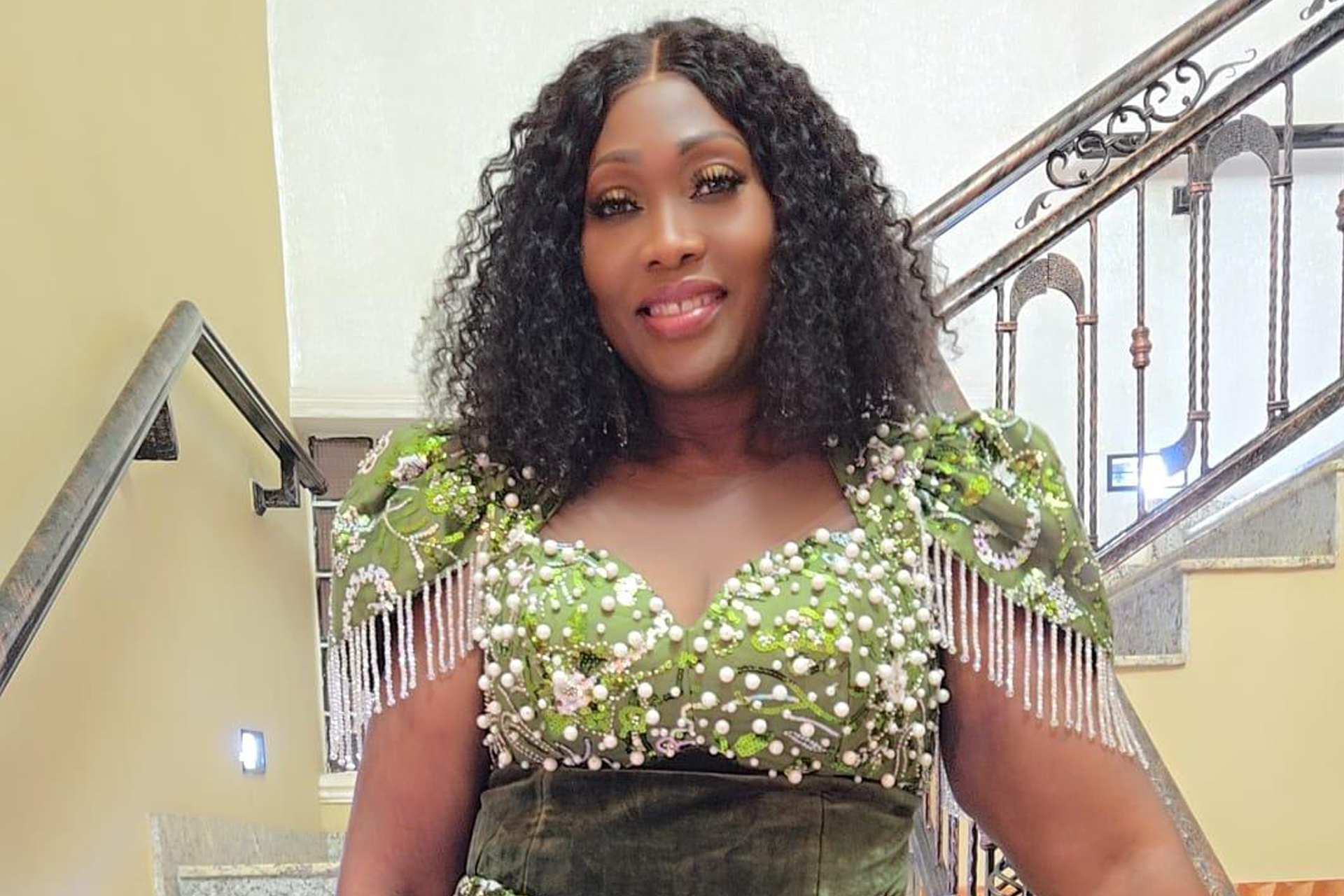
Houston philanthropist and community leader reflects on five decades of faith, family, resilience and service as friends and well-wishers prepare for her grand golden jubilee celebration on October 31, 2026.
HOUSTON, TEXAS — Turning 50 represents far more than reaching a milestone in age. It is a celebration of maturity, accumulated wisdom, personal accomplishments and the extraordinary journey through life’s challenges and triumphs. For many, the golden jubilee offers an opportunity to reflect on meaningful relationships, embrace renewed purpose and look toward the future with gratitude and confidence.
For Houston-based philanthropist and community leader Chief Oby Marcel, that milestone has arrived with excitement, thanksgiving and an unmistakable sense of fulfillment.

Chief Oby Marcel: This milestone has arrived with excitement, thanksgiving and an unmistakable sense of fulfillment.
All roads will lead to the Trinity Event Center, 8402 Howell Sugarland Road, Houston, Texas, on Saturday, October 31, 2026, when Chief Oby Marcel hosts a prestigious golden jubilee celebration beginning at 7 p.m. The anticipated all-formal gathering will bring together family members, friends, community leaders, associates and well-wishers to celebrate a woman whose life reflects a commitment to family, cultural identity, community engagement and service.
Speaking enthusiastically about her approaching birthday, Chief Oby Marcel described the occasion as a deeply personal celebration of divine grace and the experiences that have shaped her journey.
“Wow! I can hardly believe I’m stepping into the radiant glow of 50! My heart is dancing with joy, overflowing with excitement, and wrapped in deep gratitude,” she declared.
“Fifty beautiful years of God’s grace, unfailing love, abundant blessings, renewed strength, and memories that shimmer like precious jewels. Through every storm and sunrise, every challenge and triumph, every tear and laughter-filled moment, God has remained faithful.”
Beyond the birthday festivities, Chief Oby Marcel’s golden jubilee highlights her active participation in several cultural, religious and philanthropic organizations within Houston’s Nigerian community.
She is a prominent member of Gold Club International, where she holds the distinction of Lady Gold and serves as Admission Chairlady. She also serves as Treasurer of Prestige International and Assistant Financial Secretary of CWO Aquinas. Her community involvement extends to First Umuokpu Anambra USA, the Aguleri-Otu cabinet and the Omambala Cultural Association in Houston. Through these affiliations, Petersen maintains connections with organizations dedicated to cultural preservation, fellowship, mutual support and community development.
As a mother, philanthropist and community leader, she represents a generation of Nigerian women in the diaspora who balance family responsibilities with active participation in organizations that strengthen cultural bonds and promote collective progress.

The Young Shall Grow: From the Innocence of Yesterday to the Golden Glory of Today — 50 Years of Grace, Beauty, and Becoming.
The significance of turning 50 reaches beyond organizational achievements or public recognition. It represents an opportunity to embrace life with greater wisdom, confidence and optimism. According to Chief Oby Marcel, “I’m not simply turning 50; I’m crossing the threshold into a dazzling new chapter filled with wisdom, confidence, happiness, purpose, and endless possibilities.”
“I’m proud of the woman I’ve become, grateful for every mile God has carried me, and thrilled by the beautiful horizons unfolding before me.” Her enthusiasm captures the spirit of the forthcoming celebration: an occasion dedicated not merely to marking five decades but to honoring a journey defined by resilience, gratitude and enduring faith.
As preparations continue for the October 31 festivities, Chief Oby Marcel is approaching her golden milestone with a message of renewed hope and determination. “At 50, I’m not getting older; I’m blooming brighter, standing stronger, growing wiser, and becoming even more fabulous!”
And with that declaration, the celebrant offers a fitting conclusion to her golden jubilee reflections: “Cheers to my golden jubilee! My best years are still ahead of me!”
…Credits principled leadership, philanthropy, and a renewed commitment to “Unity, Love and Service” for the historic branch’s growing membership and influence.
SUGAR LAND, TEXAS — The recent growth and renewed visibility of the Sugar Land People’s Club of Nigeria International did not happen by accident. According to the branch’s Grand Patron, Ide Obinna Nnanyelugo Mbachu, its resurgence is rooted in something far more enduring than ceremonies, titles, or social gatherings: a commitment to putting the organization’s guiding principles into practice.
In an interview reflecting on the branch’s recent progress, Mbachu said the philosophy of “Unity, Love, and Service” remains central to the People’s Club’s identity and is increasingly defining the direction of its Sugar Land branch.
“Unity means recognizing that our individual differences must never become greater than the institution that brings us together,” Mbachu said. “Love means genuinely caring about one another—not only when we celebrate, but when members and their families face difficult moments. Service is where those values become action. If we cannot translate fellowship into service to humanity, then we have missed the purpose of the organization.”

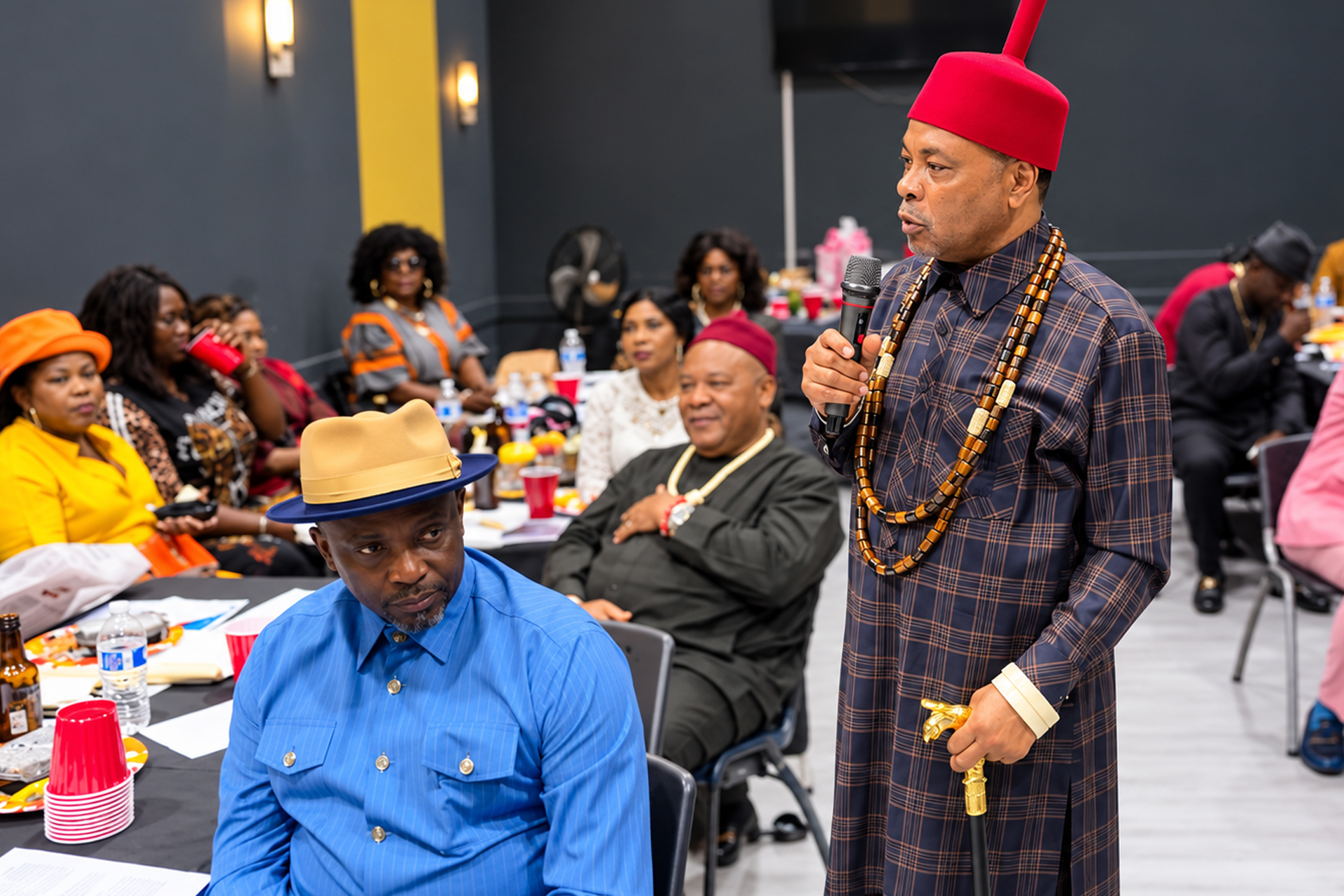
Grand Patron, Ide Obinna Nnanyelugo Mbachu.
People’s Club of Nigeria International traces its origins to Nigeria in 1971 and has since expanded through branches in Nigeria and internationally. Sugar Land occupies a distinctive place in that history as the organization’s First International Branch.
Mbachu said that legacy carries responsibility.
“People’s Club is not simply a social club where people gather, celebrate, and go home,” he said. “At its core, it is a philanthropic institution committed to community welfare. Our fellowship must have a human purpose. We must be able to look beyond ourselves, identify needs within our communities, and respond with compassion, resources, and action.”
He pointed to the COVID-19 pandemic as one example of that philosophy at work.
“I will never forget the COVID period, when fear and uncertainty had disrupted virtually every aspect of life,” Mbachu recalled. “Members of our Sugar Land branch stepped forward to distribute food to families struggling through that crisis. People were concerned about their own safety, yet our members understood that service was most meaningful when the community needed us most. That experience demonstrated what the People’s Club should represent.”
The branch has recently experienced renewed momentum in membership. Following its successful 2026 biannual induction, 16 new members were formally admitted, while additional community members have continued to express interest in joining.
Mbachu attributes that growth partly to greater organizational visibility, active programming, and an environment where prospective members can see fellowship and community engagement working together.
He particularly credited Hon. Prof. Chris Ulasi, Group Chairman of SLPCNI, and his executive team with helping reposition the branch.
“Professor Ulasi and his team deserve tremendous credit,” Mbachu said. “Leadership requires consistency, patience, and the ability to bring different personalities together around a common objective. The progress we are witnessing reflects considerable work behind the scenes; organizing members, strengthening participation, and ensuring that the branch continues moving forward.”
Mbachu also acknowledged PCNI National President Atty. Fidelis Onyebueke, whose leadership he said has contributed to stronger relationships across the organization.
“The National President has emphasized peace, reconciliation, and mutual respect among branches,” he said. “An international organization cannot prosper when its branches operate in unnecessary conflict. His efforts to promote understanding, dialogue, and unity across the People’s Club family have contributed significantly to the stability and renewed enthusiasm we are experiencing.”
For Mbachu, however, growth cannot simply be measured by numbers. The quality and commitment of those joining remain equally important.
“Our doors are open to reputable men and women who believe in what People’s Club represents and are prepared to contribute positively,” he said. “We welcome people who value integrity, fellowship, community service, and mutual respect. Membership should never be about what title you receive; it should be about what value you bring.”
That distinction, Mbachu argues, will determine whether the current momentum becomes lasting institutional progress.
For Sugar Land People’s Club, the formula he offers is remarkably straightforward: protect unity, practice love and make service visible. “When those three principles are genuinely lived,” Mbachu said, “the organization does not have to advertise its greatness. The community will see it.”
Following a successful induction ceremony, the First International Branch continues to attract new members drawn to its tradition of friendship, service, culture, and community
SUGAR LAND, TEXAS — The Sugar Land People’s Club of Nigeria International (SLPCNI) is continuing its membership expansion following its recently concluded induction ceremony, with Dr. Nkem Ugwu becoming one of the latest community members to join the organization.
Ugwu, a Sugar Land resident originally from Nsukka, Enugu State, Nigeria, is an entrepreneur and mother of three sons, a mother-in-law, and a grandmother. She describes service to others, family, and community engagement as important parts of her personal and professional life.

Grand Patron Ide Obinna Nnanyelugo Mbachu addressing the September Conference of the Sugar Land PCNI
Her membership comes on the heels of the branch’s successful bi-annual induction ceremony, during which 16 new members were formally sworn in by PCNI National President Atty. Fidelis Onyebueke. The celebration attracted national leaders, patrons, and members representing branches from across the People’s Club network.

Photo from left: Hon. Chief Sir Michael Okeke; Hon. Anaeto Okakpu “Oranwezuluaku”; Grand Patron Ide Obinna Nnanyelugo Mbachu; Hon. Dr. Nkem Ugwu ; Hon. Prof. Chris Ulasi, Group Chairman; Hon. Chief, Sir Basil Mbuba; Hon. Chief Sir Dr. Uche Egbuchuam “Akudo World Wide.”
Ugwu said joining the organization provides an opportunity to develop meaningful relationships while contributing to its mission.
“I am truly excited and honored to join the prestigious People’s Club of Nigeria International, Sugar Land Branch. I look forward to getting to know fellow members, building lasting friendships, and becoming actively involved in this vibrant and welcoming community. I am especially drawn to the Club’s tradition of fellowship, service, and mutual support, and I hope to contribute my experience, energy, and passion for serving others to its continued growth.”
Grand Patron Ide Obinna Nnanyelugo Mbachu welcomed Ugwu, describing continued interest in membership as encouraging for the historic First International Branch.

Membership Chairperson Hon. Chief Udoji Achebe and Hon. Ndidi Chidume
“When people of accomplishment and community spirit continue to identify with our organization, it tells us that the values upon which People’s Club was built remain relevant. We welcome Dr. Ugwu and look forward to the experience and fellowship she brings to our family.”
Hon. Prof. Chris Ulasi, Group Chairman, said the branch’s recent induction helped showcase an organization that continues to combine Nigerian cultural heritage with community engagement in Houston.
“Our successful induction created tremendous enthusiasm, but our focus goes beyond ceremonies. We are building a stronger organization rooted in friendship, responsibility and service. Dr. Ugwu’s decision to join reflects that continuing momentum.”

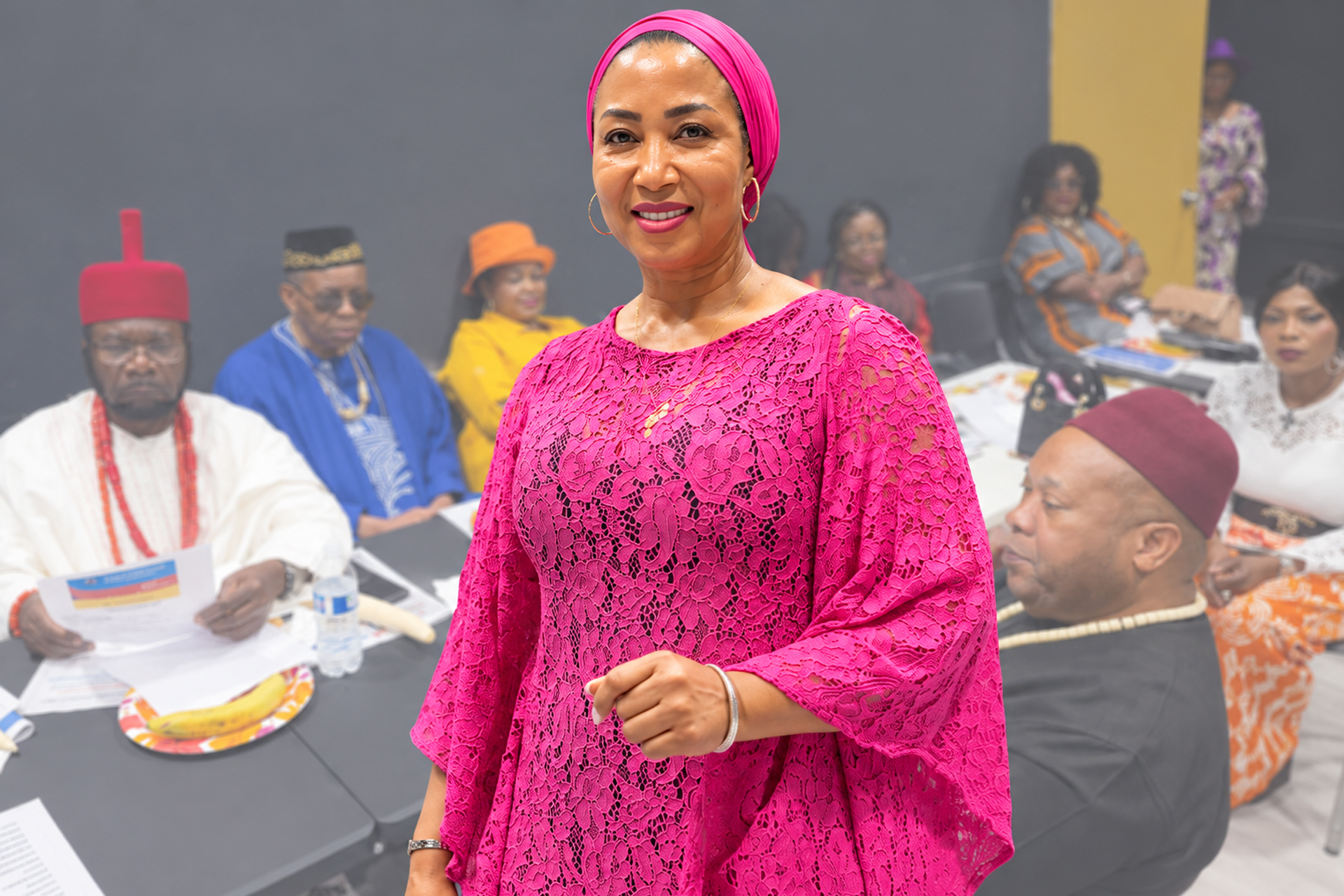
One of the meeting hosts, Hon. Professor Keih George, introduces the co-meeting hosts.
Membership Chairperson Hon. Chief Udoji Achebe said the branch remains interested in individuals prepared to participate actively in its programs and fellowship.
“Membership is about belonging, but it is equally about participation and contribution. We are delighted to welcome Dr. Ugwu and other prospective members who share the principles and aspirations of People’s Club.”
For SLPCNI, the growing interest following its induction represents another chapter in the evolution of a branch with a special place in the organization’s history.
And for Ugwu, it marks the beginning of a new journey—one centered on friendship, community, and service.


Fifty and Fabulous: Chief Oby Marcel Celebrates a Golden Milestone in Houston

People’s Club Sugar Land Is Growing — Grand Patron Mbachu Explains Why

Professor Josephine Onyido Earns Prestigious Nigerian Academy of Education Induction

Emotional Conflict: Is She Toying with Me?

Corruption at the Nigerian Consulate Atlanta – A Victim’s Nightmarish Experience

Gowon’s Book and the Dangerous Politics of Selective Memory

Video: Omambala Cultural Association in Houston Celebrates Motherhood with Joyous Igbo-Inspired Mother’s Day Event

VIDEO: Chris Hollins Opens Cartoon Art Showcase at TSU’s CommWeek

Commissioner Dexter L. McCoy speaks about the African-American Memorial Event
-

 Houston1 month ago
PCNI Elevates Chief Dr. Emmanuel Opara to Patron in Historic Ihiagwa Investiture
-

 Houston1 month ago
Membership Surge Continues as Dr. Nkem Ugwu Joins People’s Club
-
 Community4 weeks ago
People’s Club Sugar Land Is Growing — Grand Patron Mbachu Explains Why
-
 Education1 month ago
Professor Josephine Onyido Earns Prestigious Nigerian Academy of Education Induction
-
 Houston2 weeks ago
Fifty and Fabulous: Chief Oby Marcel Celebrates a Golden Milestone in Houston