Connect with us

Politics

House panel to consider bill to revamp DHS cyber team

Nemo enim ipsam voluptatem quia voluptas sit aspernatur aut odit aut fugit, sed quia consequuntur magni dolores eos qui.


Published

on

Photo: Shutterstock

Lorem ipsum dolor sit amet, consectetur adipisicing elit, sed do eiusmod tempor incididunt ut labore et dolore magna aliqua. Ut enim ad minim veniam, quis nostrud exercitation ullamco laboris nisi ut aliquip ex ea commodo consequat.

Nemo enim ipsam voluptatem quia voluptas sit aspernatur aut odit aut fugit, sed quia consequuntur magni dolores eos qui ratione voluptatem sequi nesciunt.

Et harum quidem rerum facilis est et expedita distinctio. Nam libero tempore, cum soluta nobis est eligendi optio cumque nihil impedit quo minus id quod maxime placeat facere possimus, omnis voluptas assumenda est, omnis dolor repellendus.

Nulla pariatur. Excepteur sint occaecat cupidatat non proident, sunt in culpa qui officia deserunt mollit anim id est laborum.

Sed ut perspiciatis unde omnis iste natus error sit voluptatem accusantium doloremque laudantium, totam rem aperiam, eaque ipsa quae ab illo inventore veritatis et quasi architecto beatae vitae dicta sunt explicabo.

Neque porro quisquam est, qui dolorem ipsum quia dolor sit amet, consectetur, adipisci velit, sed quia non numquam eius modi tempora incidunt ut labore et dolore magnam aliquam quaerat voluptatem. Ut enim ad minima veniam, quis nostrum exercitationem ullam corporis suscipit laboriosam, nisi ut aliquid ex ea commodi consequatur.

At vero eos et accusamus et iusto odio dignissimos ducimus qui blanditiis praesentium voluptatum deleniti atque corrupti quos dolores et quas molestias excepturi sint occaecati cupiditate non provident, similique sunt in culpa qui officia deserunt mollitia animi, id est laborum et dolorum fuga.

Quis autem vel eum iure reprehenderit qui in ea voluptate velit esse quam nihil molestiae consequatur, vel illum qui dolorem eum fugiat quo voluptas nulla pariatur.

“Duis aute irure dolor in reprehenderit in voluptate velit esse cillum dolore eu fugiat”

Temporibus autem quibusdam et aut officiis debitis aut rerum necessitatibus saepe eveniet ut et voluptates repudiandae sint et molestiae non recusandae. Itaque earum rerum hic tenetur a sapiente delectus, ut aut reiciendis voluptatibus maiores alias consequatur aut perferendis doloribus asperiores repellat.

Continue Reading
Click to comment

Leave a Reply

Anthony Obi Ogbo

Can Nigerian Voters Replicate America’s Midterm Electoral Revolt?

Published

on

“Nigeria does not merely need a voters’ revolt. It needs an electoral revolution.” —Dr. Anthony Obi Ogbo

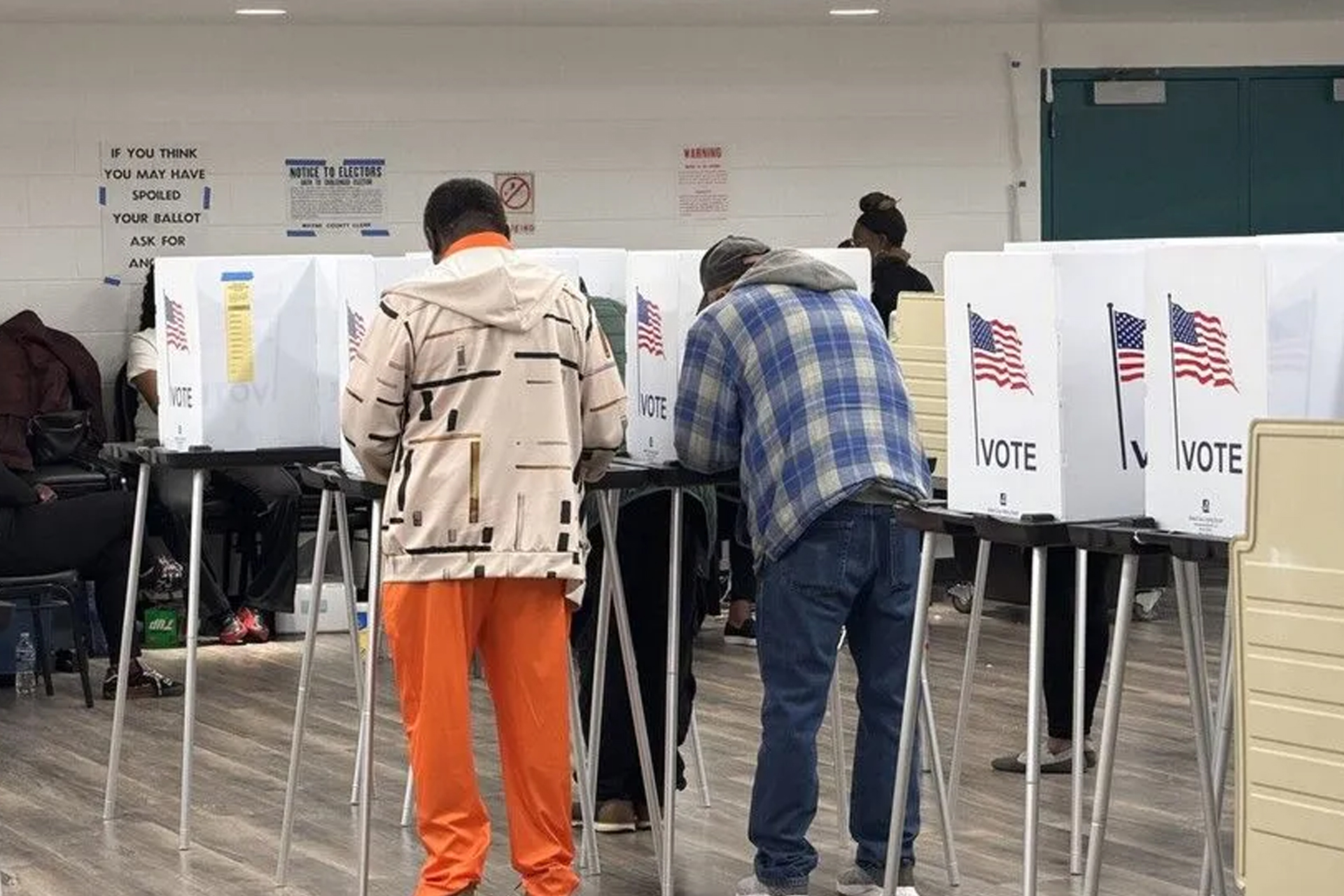
Over the past few days, I have been reflecting on America’s historic midterm elections and reading various analyses of the remarkable voter revolt against the political establishment. American voters demonstrated their willingness to punish political failure at the ballot box. But can Nigerians similarly defeat entrenched power when the very institutions entrusted with protecting their votes remain vulnerable to political interference?

America’s November 3 midterm elections delivered a devastating political verdict. Voters, frustrated by rising living costs, the Iran war, and growing dissatisfaction with President Donald Trump’s leadership, handed Democrats control of both chambers of Congress. Republican strongholds fell, political loyalties shifted, and voters demonstrated that incumbency is no insurance against public anger.

The message was unmistakable: when governance fails, the electorate can withdraw its mandate. But across Nigeria, the American revolt has inspired a provocative question: Can Nigerians replicate this electoral uprising in the 2027 presidential election?

The comparison is compelling, but the institutional realities are profoundly different.

Nigeria has no shortage of reasons for electoral rebellion. Economic hardship, persistent inflation, unemployment, deteriorating purchasing power, insecurity, and widespread distrust of government have created a deeply frustrated population. From kidnapping and rural banditry to failing infrastructure and declining public confidence, the country’s governance challenges demand serious political accountability.

Yet frustration alone does not remove a government. Elections do. And therein lies Nigeria’s democratic predicament.

In the United States, elections are administered through decentralized state and local institutions operating under federal and state laws. Election officials, courts, observers, and established legal procedures provide multiple layers of accountability. The system is imperfect, frequently litigated, and vulnerable to partisan disputes. Nevertheless, its decentralized structure makes nationwide electoral manipulation by a single executive authority considerably more difficult.

Nigeria operates differently. The Independent National Electoral Commission (INEC) is constitutionally established as an independent institution. However, its chairman and national commissioners are appointed by the president, subject to Senate confirmation. This arrangement creates legitimate concerns about institutional autonomy, particularly when the appointing authority belongs to a political party contesting the elections.

Nigeria’s electoral history reinforces these concerns. The controversial 2007 presidential election exposed serious weaknesses in electoral administration. In 2015, however, Nigerians demonstrated that incumbency could be defeated when Goodluck Jonathan lost to Muhammadu Buhari. That historic transition remains powerful evidence that peaceful electoral change is possible.

But the 2023 presidential election again exposed institutional distrust. Disputes over electronic result transmission, transparency, and electoral procedures eventually reached the Supreme Court, which upheld President Bola Tinubu’s victory.

Courts are constitutionally empowered to resolve election disputes. The problem is not judicial involvement itself, but the perception that electoral outcomes increasingly depend on litigation rather than the unquestioned credibility of votes cast.

When citizens begin to believe that ballots are merely preliminary documents awaiting judicial interpretation, democracy suffers a dangerous credibility crisis.

Equally troubling is the protection of votes. INEC administers federal elections, while the Nigeria Police Force and other security agencies provide electoral security. These institutions operate within a centralized federal framework, raising concerns about executive influence over personnel, deployment, and operational independence.

How, then, can Nigerians stage an American-style electoral revolt when the institutions protecting their votes are themselves subjects of public suspicion? The answer requires more than opposition slogans, social media outrage, or massive political rallies.

First, Nigeria must constitutionally reform INEC’s appointment process. An independent, multipartisan selection mechanism, transparent public hearings, protected tenure, and guaranteed funding would reduce executive influence and strengthen electoral credibility.

Second, judicial independence must become nonnegotiable. Transparent appointments, financial autonomy, enforceable ethical standards, and expedited election petitions are essential. Courts must remain impartial arbiters, not become perceived substitutes for the electorate.

Third, electronic transmission and public verification of polling-unit results must become legally enforceable safeguards, supported by independent audits and meaningful penalties for manipulation.

Fourth, election security must be operationally insulated from partisan directives. Electoral offenses, including intimidation, ballot destruction, and result falsification, must attract swift and credible prosecution.

Voters must organize beyond ethnic loyalty

Finally, voters must organize beyond ethnic loyalty, religious sentiment, and online activism. They must register, mobilize, monitor polling units, document irregularities, and protect their electoral mandate through lawful civic participation. The ultimate tragedy of Nigerian democracy is not that citizens lack the courage to reject failed leadership. It is that they cannot consistently trust the machinery entrusted with translating their rejection into political change.

America’s midterms demonstrated the power of electoral accountability. Nigeria’s 2027 elections must confront a more fundamental question: whether the ballot remains stronger than the political establishment.

A democracy becomes a dangerous deception when citizens are permitted to vote but cannot confidently determine who wins. Nigeria does not merely need a voters’ revolt. It needs an electoral revolution in which institutions become stronger than incumbents, ballots become stronger than political influence, and the people’s verdict becomes stronger than the machinery of power.

♦ Publisher of the Guardian News, Professor Anthony Obi Ogbo, Ph.D., is on the Editorial Board of the West African Pilot News. He is the author of the Influence of Leadership (2015)  and the Maxims of Political Leadership (2019). Contact: anthony@guardiannews.us

Continue Reading

Education

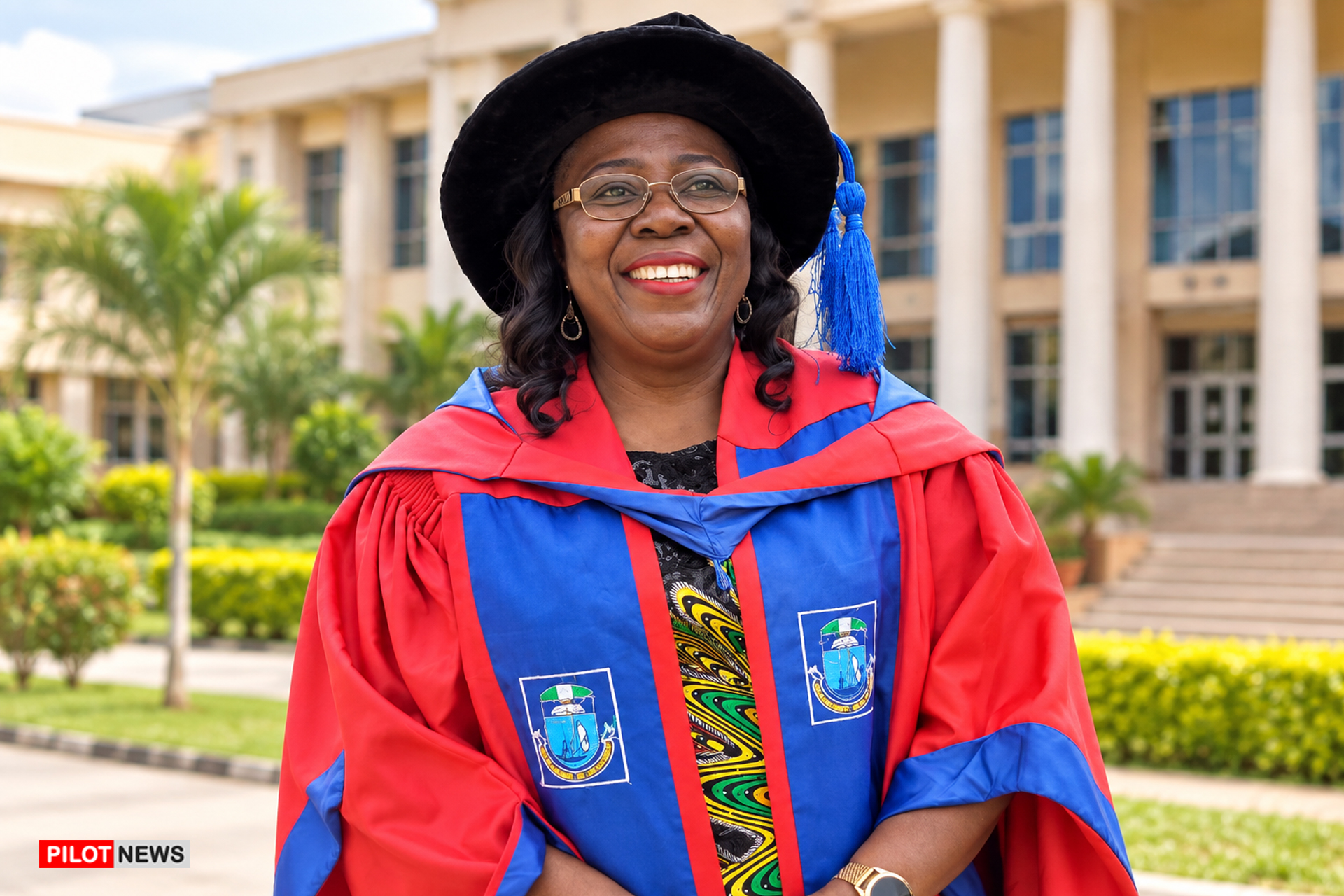
Professor Josephine Onyido Earns Prestigious Nigerian Academy of Education Induction

Published

on

University of Port Harcourt scholar will be inducted into Nigeria’s apex education academy in Abuja, marking another milestone in a career spanning teaching, research, leadership, mentorship and advocacy

HOUSTON, TEXAS — Professor Josephine Azuka Onyido, an accomplished scholar and academic leader at the University of Port Harcourt, will be inducted into the Nigerian Academy of Education on Wednesday, November 4, 2026, in recognition of her contributions to the advancement of education.

The ceremony, scheduled for the Conference Hall of the National Commission for Colleges of Education in Abuja, places Onyido among scholars recognized for sustained contributions to education, research, and academic development in Nigeria.

A Professor in the Department of Educational Foundations at the University of Port Harcourt, Onyido has built a career encompassing teaching, research, administration, mentorship, curriculum development, and institutional service.

She described the forthcoming recognition as both an honor and a renewed obligation to education. “I receive this recognition with profound gratitude and humility. My journey in education has always been driven by the belief that scholarship must extend beyond the classroom and contribute meaningfully to society. This induction is not simply a personal achievement; it strengthens my responsibility to continue advancing quality education, mentoring future scholars, and promoting opportunities for women and girls. I am deeply grateful to my family, colleagues, students, and everyone who has been part of this journey.”

Onyido earned a Bachelor of Arts in Education (English), a Master of Education, and a Ph.D. in Sociology of Education. She is also a permanent member of the University of Port Harcourt Senate. Her scholarly record includes more than 90 journal articles, book chapters and Sociology of Education Made Easy, a textbook developed to make concepts in the discipline more accessible to students.

Much of her research examines the intersection of education and society, with particular emphasis on gender, women’s empowerment, educational development, social justice and the rights of women and girls. Her work advocates translating academic research into policies and practices that expand educational opportunities and strengthen human-capital development.

Beyond research, Onyido has occupied several academic leadership positions. She served as Acting Head of the Department of Educational Foundations from 2021 to 2023 and has worked as the Departmental Coordinator of Postgraduate Programs, the Anti-Plagiarism Coordinator, the Academic Adviser, and the Editor of the Port Harcourt Journal of Education Studies.

Her influence also extends beyond her university. She has served as an external examiner for several institutions and has participated as a resource person for the National Teachers’ Institute, the University of Port Harcourt, the Centers for Higher Education and Sandwich Programs, and the National Universities Commission verification exercise.

Internationally, Onyido represented the Niger Delta Development Commission at the African Women in Leadership Conference in Kigali, Rwanda, expanding her engagement with issues of women’s leadership, empowerment, and social transformation.

She belongs to several professional organizations, including the Teachers Registration Council of Nigeria, the Association of Sociologists of Education of Nigeria, and the International Association for Gender Equity.

Her academic and community work have earned numerous recognitions, including the Millennium Development Ambassador Award, Lecturer of the Year, Outstanding Project Supervisor, and Professional Service awards.

Yet Onyido’s story also reaches deeply into heritage and service. She is the great-great-granddaughter of King Josiah Constance Ockiya, MINGI VII, Amanyanabo of Nembe Kingdom and Supreme King of Brass. Her great-grandfather, Rev. Daniel Ockiya, translated the Bible into the Nembe language.

A committed Catholic and Jerusalem pilgrim, she has also served in church and community leadership positions and was recognized by the Catholic Women Organization of the Port Harcourt Diocese as a “Quintessential Woman.”

For Onyido, the November 4 induction represents more than another distinction on an extensive academic résumé. It recognizes a career built around an enduring principle: education achieves its greatest value when knowledge is transformed into opportunity, service, and social progress.

Continue Reading

Houston

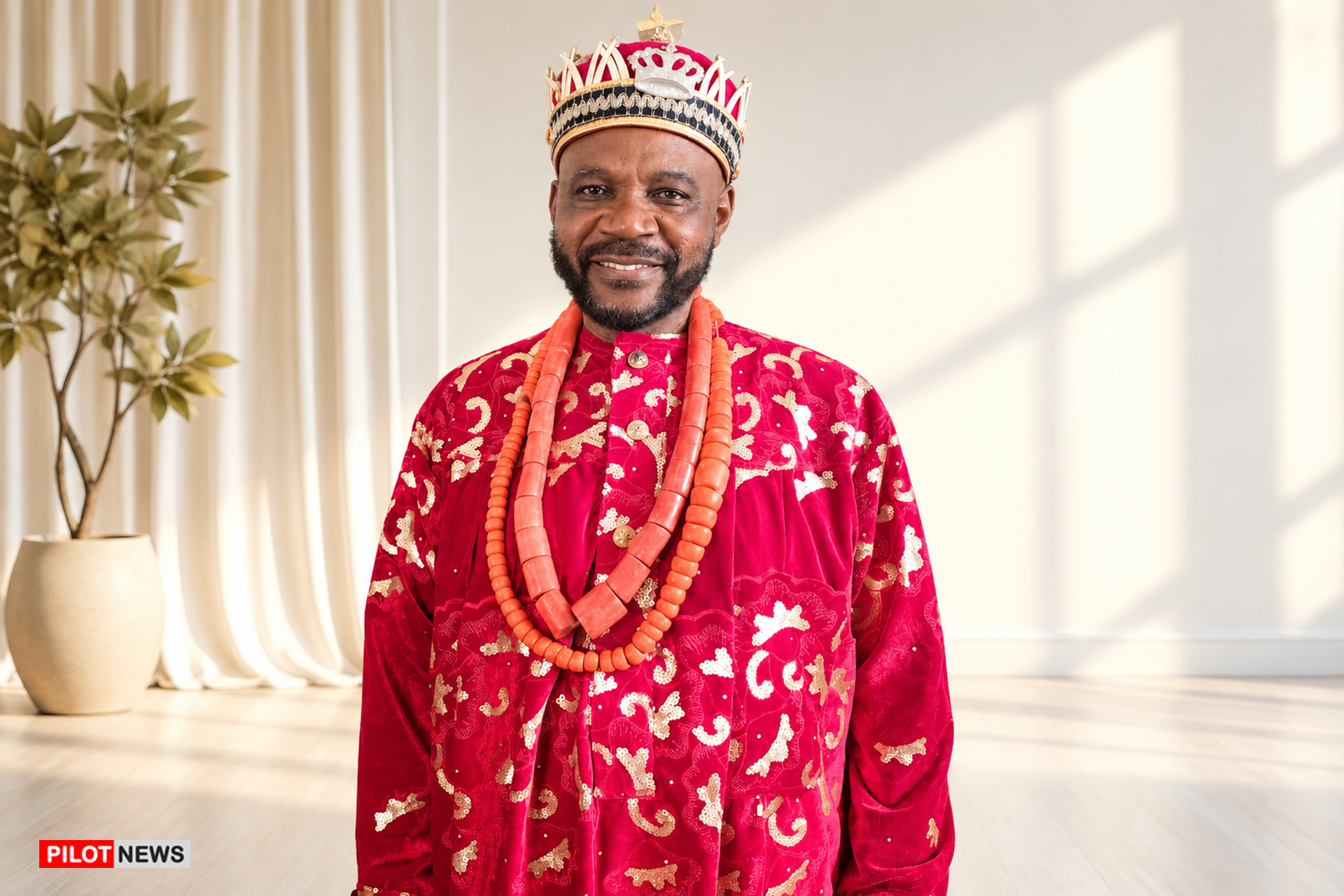
PCNI Elevates Chief Dr. Emmanuel Opara to Patron in Historic Ihiagwa Investiture

Published

on

Sugar Land People’s Club leaders celebrate their First Vice Chairman’s December 22 investiture, describing the honor as recognition of leadership, scholarship, service, and commitment to the enduring ideals of the People’s Club

HOUSTON, TEXAS — All roads will lead to Ihiagwa, Owerri, Imo State, Nigeria, on December 22, 2026, as members, associates, and well-wishers of People’s Club of Nigeria International gather for the Patronship Investiture of Hon. Chief Dr. Emmanuel Uzoma Opara, First Vice Chairman of the Sugar Land People’s Club of Nigeria International (SLPCNI).

The ceremony will mark another milestone for the Sugar Land branch, historically recognized within the organization as its First International Branch, and will elevate one of its senior officers into the distinguished circle of PCNI patrons.

Since its inception in 1971, the People’s Club of Nigeria has developed into an international social and philanthropic organization with branches in Nigeria, the United States, and Europe. Its tradition emphasizes fellowship, community service, and the principles of Love, Unity, and Service.

Within that tradition, patronship carries significance beyond a ceremonial title. Patrons are expected to serve as senior advisers, custodians of institutional values, and respected voices in sustaining the organization’s heritage and direction. The recognition is traditionally associated with sustained service, leadership, and commitment to the Club and society.

For Opara, the honor also recognizes a professional life extending far beyond community leadership.

An academic and technology specialist, Opara’s scholarly interests span cybersecurity, digital and media forensics, artificial intelligence, and Agentic AI. His research includes digital forensic investigation, incident response and threat analysis, memory analysis, advanced-adversary containment and intrusion detection, including applications of Python programming.

His work also engages with memory forensics and investigative technologies, as well as the offensive and defensive dimensions of cybersecurity, commonly characterized as Red Team and Blue Team operations.

Opara is a Fellow of the International Information Management Association (FIIMA) and serves as an Associate Editor of the Journal of International Technology and Information Management (JITIM).

Reflecting on the forthcoming investiture, Opara described the recognition as a responsibility rather than simply another distinction.

“I receive this honor with profound gratitude and humility. Patronship represents a responsibility to protect the values that have sustained People’s Club for generations: love, unity, service, and genuine fellowship. Whatever we achieve professionally becomes more meaningful when we use our knowledge, experience, and resources to strengthen our communities and create opportunities for others. I look forward to serving the Club at an even greater level.”

Grand Patron of SLPCNI, Hon. Ide Obinna Nnanyelugo Mbachu, said Opara’s elevation reflects the leadership qualities expected of those entrusted with preserving the organization’s legacy. “Chief Dr. Opara represents the combination of intellectual accomplishment, community service, and organizational commitment that the People’s Club should continue to encourage. Patronship is not merely about recognition; it carries an obligation to guide, support and protect the institution. We are proud that another leader from our Sugar Land family has earned this important honor.”

Hon. Prof. Chris Ulasi, Group Chairman of SLPCNI, said the investiture demonstrates the depth of leadership within the Sugar Land branch. “This is a proud moment for Sugar Land People’s Club. Chief Dr. Opara has distinguished himself through service, scholarship, and dedication to our organization. His investiture strengthens our branch while reinforcing our connection to the national and international People’s Club family. We congratulate him and look forward to celebrating with him in Ihiagwa.”

The December gathering is expected to draw PCNI leaders, patrons, members, family, friends, and community representatives from Nigeria and abroad. Beyond the pageantry of the ceremony, however, Opara’s investiture carries a broader institutional message: leadership within the People’s Club is ultimately measured by service.

On December 22, Ihiagwa will host the celebration. But for Sugar Land, the occasion will also be a celebration of one of its own—a scholar, technology professional, and community leader entering a new chapter of responsibility in the People’s Club tradition.

Continue Reading

Trending