

Op-ed
Biafra: Stop your Social Media Vituperations, Cursing, Grand standing and Join Me to Educate Others

I, like many other Igbos have stood on the side lines for far too long, wishing this Biafran breeze fizzles away, but it’s now dangerously turning into a major storm that constitutes an existential threat to Igbo civilization as we know it. Those of you IPOBians, Sympathizers, Rumour Mongers, Facebook Warriors, Facebook megastars, Opinion Leaders and Propagandists escalating the already tense situation must understand that in the end, you’ll all be losers, victims and at the same time in more bondage than you ever were. Not my wish anyway, but the perceptible reality. No war ever got won by emotions. Preparation and strategy does, ask any battle-tested soldier. Even the best of them get eaten. Little by little you guys are doing everything possible to attract avoidable conflict to our region hoping that the international community will intervene. You’ll be in for a shocker when this meal you’ve cooked for so long is served up.

Understand this, I have monitored many revolutionary conflicts around the world and know this for a fact, the international community foot-drags at less than a snail pace, if at all, before attempting any interventions in internal conflicts in a sovereign nation and that includes America and Israel you’re hoping on. War is a huge liability and no Country wants to meddle. The best they give these days are reliefs not military aids and that is after many must have died including those who started the fire. I watched it happen to Libyans, Yemenis, Syrians and till now they still don’t have peace. Besides, you’d be stupid to believe that those countries, if ever there is any, promising to support Nnamdi Kanu are really in for it. Some of them want to use him to initiate conflict and sell their weapons to both sides and make blood dollars. War is an all-comers affair and all kinds of demonically vicious players come to the slimy field to play the hellish game of blood and death.
I watched it happen to Libyans, Yemenis, Syrians and till now they still don’t have peace.
In this case, Boko Haram that has largely been caged by the army will break free to roam with ambitions to finally establish their Caliphate across Nigeria, all because the Army now fighting on two fronts can no longer concentrate on them having become too stretched. Guess what, they’ll come with ISIS on their back. Nigerian Army will be fighting to keep Nigeria together on one front, Boko Haram (ISIS Nigerian Branch) with Caliphatist ambition on the other and Biafra with secessionist ambition on yet another front.
That was how Syria got so complex till date and any war in Nigeria today will have a similar picture. Whoever gets overwhelmed will face the other. It will be a long and difficult journey and unlike the first civil war without Boko Haram in the equation, no one can predict the tortuous end. Other Jihadists from across Africa and Middle-East will join in as they always do wherever there’s instability to advance their different brands of Islam. In the end you’ll leave Nigeria and discover you’re fighting other strangers you don’t even know how they came into the picture.
Libyans thought they were fighting Ghaddafi but after Ghaddafi, they discovered other strangers fighting them to establish their different brands of Islam.
The big boys (international players) like Iran will be there to get there pound of flesh from Nigeria in revenge for the Shiites, Saudi will be there to defend Nigeria, and all will play. Weapons merchants will the start smiling to the banks. Guess where the theatre of war would be, Igboland. We must not allow this! Libyans thought they were fighting Ghaddafi but after Ghaddafi, they discovered other strangers fighting them to establish their different brands of Islam. Same thing in Syria. The words of Saif Al Islam Ghaddafi (Ghaddafi’s first son) keeps ringing in my ears as he forewarned Libyans of these grim possibilities, but okuko nti ike nánu ife n’ite ofe. I never took him seriously at the time but in retrospect, I now see he knew better because it panned out just as he predicted and Libya still isn’t out of the woods.
That’s the way it is these days of jihad consciousness across the world. If you ever experience war, you’ll never take peace for granted. War is not a movie as some of you think. You could be the first victim. Can you stomach watching your loved ones maimed, killed, raped, tortured, starve to death under slow and painful circumstances? Those are the grim realities of war and in Africa, it is executed with luciferous savagery and psychopathic sadism. The worst of peace is still better than the best of wars.
Funny enough, most of our chest-beating IPOBians will likely die off within the first month or two of the conflict leaving those who knew nothing or are on the sidelines to defend themselves. There will be nowhere to run to as no country in West Africa will agree to accept the ocean-sized volume of refugees. When the Rwandan genocide was looming, everyone was running his mouth until the death hurricane they courted so hard swept across their country, they wailed and shouted for international community to intervene but none came. That’s the way it is. Paul Kagame, their current President it was who ended it. And they vowed to “never again”. They learnt from history and have completely removed tribalism from every facet of national life and are admirably making astounding progress as one of Africa’s best.
On one occasion Kanu bragged that it would take him only two weeks to reach Sokoto in the event of war. I don’t know what weapons and extra-terrestrial strategies he has to execute that.
My advice, agreed, Buhari hasn’t treated us as well as we wanted, but wait till 2023 and make amends. I have listened to Nnamdi Kanu on several videos and my conclusion is that he is plain naive on how things roll in a conflict situation. On one occasion he bragged that it would take him only two weeks to reach Sokoto in the event of war. I don’t know what weapons and extra-terrestrial strategies he has to execute that. War is an unpredictable undertaking that you’ll be ignorant to estimate which direction it goes. As it is, he has no weapons just yet and is bragging. Many of you believe him and even ascribe infallibility to his words. I have lived a couple of years abroad and what some of you don’t know is that many of our people there egging you on don’t have immigration papers and are praying for an outbreak of hostilities in Nigeria so they can claim asylum on the back of it.
We must advise ourselves on this current path of self-annihilation. Some of you think Biafra will be the end of all your problems, so South Sudan thought, as did Eritrea, but sorry it will be the beginning of new ones. Now take this to the Bank, it will even be far more difficult for any country to touch any conflict here with a long spoon than it was in the sixties. Reason? Then there was the prospect of oil but today oil is out of fashion and even as it is, Nigeria is begging for buyers and nobody’s buying. Osinbajo said that much a few days back. Now, tell me, if they spend their money intervening in your conflict to save your asses, what will they get in return? The best they can do for you is to condemn what is going on, then more out-pouring of condemnations and then more unleashing of floodgates of condemnations, but NO ACTION while you die in numbers.
You often argue that a call for referendum is not a call for war. I agree completely! Very true! Referendum is a right not a privilege. Even Buhari asserted that much in favour of Palestine when he addressed the UN. However, it is plain naivety to assume that all that is enshrined in international law is enforceable. UN has no mechanism of enforcement. Countries and Dictators constantly flout it and nothing happens. Even if something were to happen you’ll all have decomposed in your graves by then. A show of bravado will not lead you anywhere Umunnem. Call me a coward if you like, but Chinua Achebe told us that we often stand in the house of a coward to point at where a brave man ONCE lived. In any case, isn’t it foolishness to challenge an army that has been stockpiling arms since 1960 when you on the other hand haven’t bought a bullet just yet?
“Only a foolish man can go after a leopard with his bare hands”
Papa Achebe puts it this way, “Only a foolish man can go after a leopard with his bare hands”. As impulsive and as tempting as it may get, tone down your rhetorics, invectives, acerbics, and cursing on social media. Cherish the peace you now have at least Igbos are not worse-off than other regions despite never being in power. While there is grinding poverty in other regions, the highest income per capita in the country is posted by Anambra and other Igbo states ain’t doing badly. Our people live well, build better houses compared to other regions and it’s all a miracle given the scratch we started from after the war. Why do we want to throw all that away because of ego and start all over again? Is it a curse? The Hausas though having been in power do not even live a better quality of life than Igbos. Let’s be wise and not give opportunity to destroy all we’ve achieved as a people.
I condemn in the strongest of terms the killing of unarmed people by Nigerian soldiers, killer herdsmen, and do not by any means say Nigeria is what we want it to be but understand Biafra wasn’t Ojukwu’s first choice. At Aburi his choice was a return to true federalism which he knew was a better deal for us than secession. Nigeria failed to honour that agreement and continued the killings forcing him to declare a Biafran Republic to save his people from slaughter and it’s understandable. Nigeria owes us tons of apologies, I agree. But brothers, let’s think again! A Biafra today will even be far less economically viable than it would have been then. Reason is because then we would have used oil money to jump-start the new country but today oil is so unsellable to the extent that Venezuela with arguably the largest reserves is grappling with severe economic problems. Kick-starting a new country from the basics would be painfully slow and may outlive our generation to even get the basic things in place. Arewa youths know that, the reason they have asked Nigerian Government to let Igbos go, only for Nnamdi Kanu to start asking for Benue and Rivers because he knows that Igboland alone isn’t viable.
Benue were never part of Biafra and have made it clear to all, as did different Rivers groups that they don’t want Biafra.
Asking for Benue is laughable because they were never part of Biafra and have made it clear to all, as did different Rivers groups that they don’t want Biafra. A handful of his collaborators from those regions pledging allegiance to him does not equate to an entire people. Majority of their people hate this Biafran idea and have made that much clear. Some funny IPOBians are also hoping on Asari Dokubo and FFK. What a funny bunch being used to fight other people’s fight. Why won’t they take up the gauntlet or is it only us that is suffering injustice? Don’t even think corruption will suddenly disappear in a new Biafra as some naive IPOBians hope. If they give you Biafra today, your eyes will open up to new unpleasant realities many of you haven’t even factored-in in your agitation but then it would have been late.
We can together liberate Nigeria from Fulani if only we can unite.
I know voices like mine are often loathed and cursed by IPOBians but some of us who know the truth can no longer keep quiet while you drag us all into avoidable chaos. I owe our people the truth as I see it. Curse me all you want, it’s OK. Umunnem, ka ako’n’uche na udo chianu biko! Patience solves all things, with time. Let our people think again and know what is looming. Stop your facebook and social media vituperations, cursing, grand standing and join me to educate others. De-escalate this situation and speak words of kindness to others. Even mighty America de-escalates after tensions with Russia. It’s called wisdom. North Korea provokes South Korea most times but the South always de-escalates tensions knowing that the North hasn’t got anything to lose in the event of war but beautiful South Korea will lose quite a lot. In our case, all the beautiful houses and streets in Igboland will be razed to the ground. Why should we be starting afresh all the time? It will even be more painful if we lose again as was the case in 1970. As it is, it’s not looking good! One more thing. We can join other ethnic groups to demand restructuring. Let us not face our common enemy alone. Britain is our enemy using minority Fulani to enslave Nigerians. We can together liberate Nigeria from Fulani if only we can unite. Let’s stop all these provocative language and join forces with the West and the Middle belt. See all over where Igbos are killed on daily bases. The worst is our behaviour in other people’s land.
♦ Udechukwu Nnoruka, a Senior Advocate of Nigeria, (SAN), Emeritus Attorney General of Anambra State, and a past member council legal education is now in private legal practice.


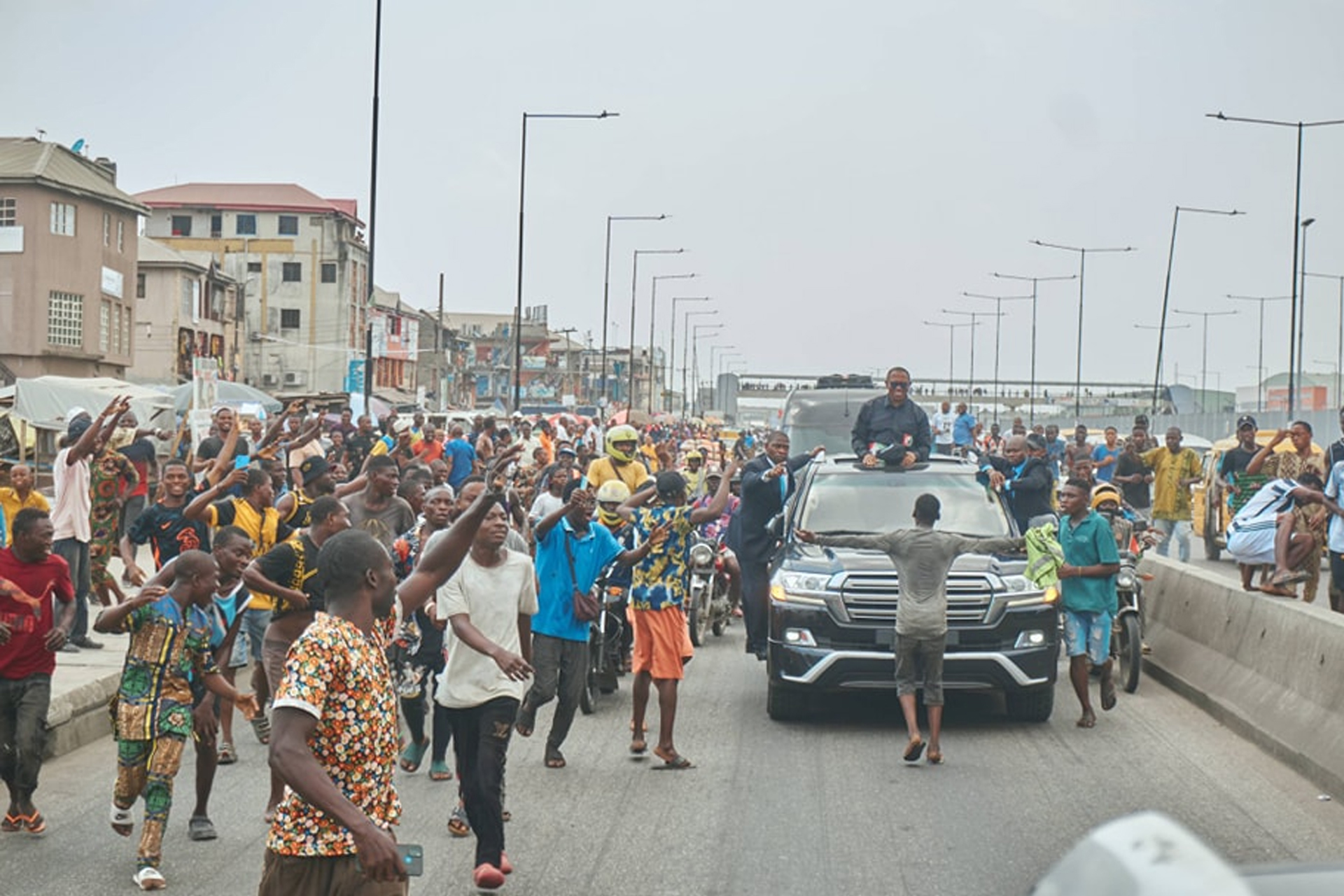
Young Nigerians have shown a remarkable ability to create waves in the digital space. With a single click, they can expose a politician’s corruption, rally tens of thousands of supporters behind a single hashtag, and keep every political actor on edge from dawn until dusk. However, as the 2027 general elections draw closer, it is time to face an uncomfortable truth: loud online noise isn’t the same as real power in the political sphere. If Nigerian youth wish to get the best possible leadership from their nation’s leaders, they need to take their online activity offline (i.e., to places where actual democracy occurs) and start showing up to cast votes.

There is simply too much evidence to ignore that this needs to occur. Nigeria is a young country demographically. Together, Gen Z and Millennials comprise approximately half of the total population—50.1 percent—according to IntelPoint. Gen Z makes up 25.8 percent and Millennials account for 24.3 percent. When we consider Gen Alpha, the percentage rises to 85.7% of the population under 44. According to ActionAid Nigeria, more than 60% of Nigeria’s population is under 30. According to Afrobarometer, Nigeria has a median age of 18.1 years, and 58% of its population is aged 0-29. Therefore, Nigeria isn’t merely a young country; it is a country dominated by young people.
Based on this information, this dominant demographic should wield considerable political influence. Unfortunately, there often appears to be little correlation between these statistics and political influence. The contrast is striking. While a majority of Nigeria’s population is young, there remains a significant gap between how influential young people are politically and how influential they could be. This lack of influence is not due to a lack of ability among young people; rather, it stems from many young people stopping short of completing what is often called the “civic journey,” which involves moving from awareness to action. They consume politics, engage in political debate on social media, participate in meme politics, and express frustration with politics through social media rants; however, many young people still fail to register to vote (PVCs) or participate in elections in sufficient numbers to affect the outcome.
This disparity is important because youth dissatisfaction is far from abstract. More than 23% of Nigerian youth report being unemployed or seeking employment, according to Afrobarometer. Additionally, more than two-thirds of youth aged 18 to 35 report having some form of postsecondary or secondary-level education. Despite Nigeria ranking among the lowest in providing employment and opportunities for youth, and despite identifying high costs of living, unemployment, crime and security concerns, poverty, poor economic management practices, and insufficient access to electricity as the top five issues requiring immediate attention from government officials, youth dissatisfaction cannot be considered indifferent. Rather, youth dissatisfaction reflects citizens’ grievances and legitimate reasons to be deeply interested in who governs their country.
However, mere interest alone will not suffice. Democracy does not reward passion without participation. A young person can identify every weakness inherent in a political system; however, unless that person participates by casting a vote, they will remain a spectator to their own future. If you are mature enough to understand concepts such as inflation, insecurity, broken campaign promises, unemployment rates, and poorly managed governance systems, you are mature enough to accept responsibility for your role in creating solutions to those problems. That responsibility begins with voting.
In addition to continuing to use social media to raise awareness of voter registration, election knowledge, fact-checking mechanisms used during elections, and peaceful participation methods, social media can also serve as a vehicle for facilitating the transition from social media activism to actual civic engagement. Young Nigerians should leverage their social media presence to encourage voter registration, promote election literacy programs, provide fact-checking services to counter election misinformation, and advocate for nonviolent participation throughout the electoral cycle. They should convert their social media timelines into civic classrooms. Where can I find the information I need about voter registration processes? Where is my assigned polling station located? Where do I receive my Permanent Voter Card? How do I protect myself from spreading misinformation? How do I properly monitor election results? These are not dull topics; they represent essential tools required for surviving democracy.
Youth organizations, creators, and social media entities can also help facilitate offline civic engagement. Use your WhatsApp groups to alert others as registration deadlines approach. Use X Spaces and Instagram Live to focus on discussing relevant issues rather than hurling insults. Use TikTok to simplify the voting process. Use Facebook to motivate family members and first-time voters to participate in elections. Use whatever platforms are available to make civic obligation contagious. Nigeria’s youth have shown they can create viral content. Now they must begin to generate participation on a viral scale.
One of the most damaging myths in Nigerian politics is that “your vote doesn’t matter.” It is a self-fulfilling prophecy that only serves the interests of cynics, crooks, and machines whose success depends solely on low turnout. Yes, Nigeria’s electoral process has flaws. Yes, there have been numerous disappointments. However, the response to a flawed democracy is not abandonment; it is increased participation. By staying home on Election Day, youth essentially give their votes — and therefore control — directly to the very same groups they loathe.
Another mythological excuse for the youth’s failure to vote in Nigeria is the claim that “all politicians are alike.” No — they’re not all the same. While some politicians are inept, others are corrupt, and others exhibit both characteristics, democracy is not about seeking holy men or women; it is about making selections and enforcing accountability. An individual who refuses to make a selection for office because none of the options appear acceptable is ultimately selecting the candidate most likely to emerge victorious by default.
Nigeria’s youth already constitute the country’s largest demographic group. It is time for them to become its strongest democratic force as well. However, that will not be achieved by trending hashtags alone. Instead, it will be achieved when online energy is harnessed and directed toward political organization, civic education, voter registration, increasing voter turnout, and holding elected representatives accountable after elections.
The 2023 election saw remarkable youth participation but lacked follow-up. Therefore, the 2027 election should not produce another generation of disillusioned observers; instead, it should yield a new generation of participatory citizens. Let online flames ignite electoral power. Let debates become ballots. Let criticism evolve into participation. If Nigerian youth can dominate social media, they can also dominate democracy. The future will not be handed to them in a retweet. They must elect it into existence.
_________
♦ Chris Ulasi is on the Editorial Board of The West African Pilot News. He contributes stories about culture and tradition, elite politics, ethnicity and national integration, civil society, and social movement. He is a university professor, community builder, poet, film producer, recording the emergent Nollywood cultural history through film.

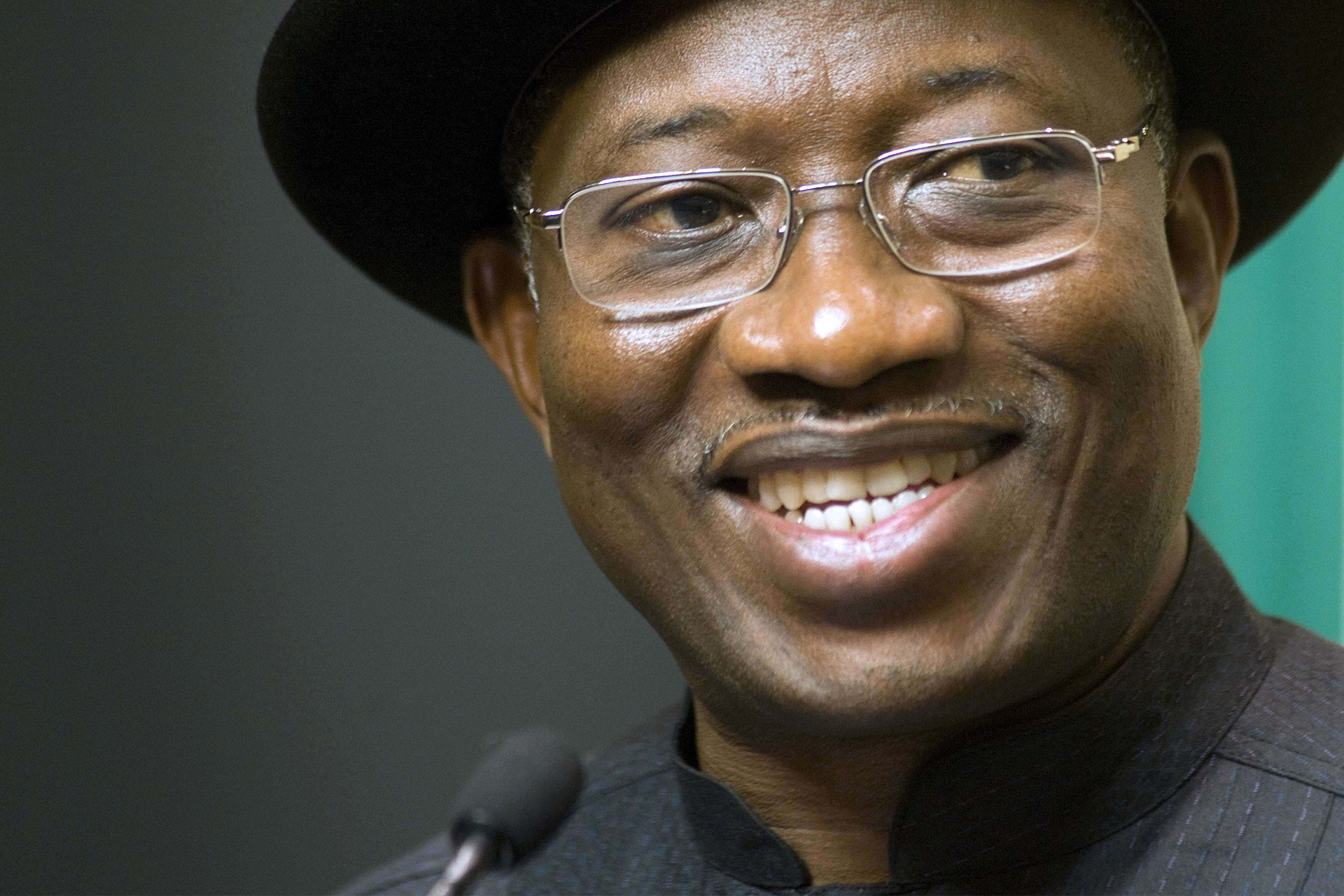
“Jonathan’s calculated and weaponized ambiguity breeds deception and weakens emerging political alliances.” —Dr. Anthony Obi Ogbo
Former Nigerian President Goodluck Jonathan has once again found himself at the center of presidential speculation, floating silently above the country’s political waters while supporters aggressively market him as a possible candidate ahead of another critical election cycle. And once again, Jonathan is doing what he has mastered throughout his political career: saying nothing clearly while allowing political confusion to grow around him.

This pattern is not new. It is the same indecisive political behavior that defined some of the most consequential moments of his rise and fall. Jonathan became president in 2010 following the death of President Umaru Musa Yar’Adua. At the time, many northern political stakeholders within the then-ruling PDP believed there was an informal understanding that Jonathan would complete Yar’Adua’s term but not seek another full term in 2011, thereby preserving the party’s zoning arrangement between North and South. Instead of taking a clear and immediate position, Jonathan spent months dribbling the nation politically. He neither fully denied nor openly confirmed his intentions until the political tension had already escalated nationwide.
By the time he eventually declared his candidacy, the damage had been done. Many northern allies who initially supported him felt betrayed, politically cornered, or deceived. The PDP fractured internally, regional distrust deepened, and Jonathan’s relationship with major northern power blocs deteriorated permanently. Though he won the 2011 election, the cracks created by that indecision followed him into 2015, contributing significantly to the coalition that eventually removed him from power.
Yet Jonathan learned little from that experience. Since losing reelection in 2015, his name has repeatedly surfaced during every major electoral cycle as a potential presidential contender. Each time, his supporters strategically floated his candidacy across media platforms and political circles. Each time, Jonathan refused to decisively shut the door. Silence became his political instrument, whereas ambiguity became his strategy.
Now the country is witnessing the same playbook again. As coalition politics intensify and opposition forces attempt to consolidate around alternative political movements, Jonathan’s name has resurfaced aggressively. Reports and speculations about his presidential ambition continue to dominate political discussions, especially within camps seeking to disrupt the growing momentum surrounding Peter Obi and emerging opposition realignments.
The troubling part is not merely that Jonathan’s supporters are campaigning. The troubling part is that Jonathan fully understands the implications of his silence. He knows that his political stature carries enough weight to destabilize fragile coalition negotiations. He knows his name alone can divide campaign structures, weaken consensus-building, and inject uncertainty into opposition calculations. Yet he refuses to publicly and definitively state where he stands.
That is not statesmanship. That is calculated political ambiguity. Jonathan’s political history is filled with similarly contradictory choices. After losing power in 2015, he received widespread praise for conceding defeat peacefully. He initially framed that decision as a sacrifice made to preserve Nigerian lives and prevent violence. Later, however, different narratives emerged suggesting international pressure, particularly from the United States under President Obama. The shifting explanations weakened what could have remained one of his strongest democratic legacies.
Then came another contradiction. Despite emerging politically from the PDP, Jonathan gradually aligned himself closely with the administration of former President Muhammadu Buhari, serving in diplomatic and goodwill capacities that many PDP loyalists considered politically inappropriate. This unusual closeness fueled longstanding allegations that elements within the APC establishment viewed Jonathan as a useful political instrument capable of destabilizing opposition coalitions from within. Whether those allegations are true or not, Jonathan’s conduct has consistently created room for suspicion.
His political base remains uncertain. His campaign structure is invisible.
Today, his undeclared ambition is already generating confusion among supporters, coalition organizers, and opposition strategists. His political base remains uncertain. His campaign structure is invisible. His intentions are unclear. Yet his loyalists continue mobilizing aggressively in his name while he watches silently from the shadows.
Nigeria is too politically fragile for this kind of elite gamesmanship. At critical national moments, leadership demands clarity, courage, and accountability. Jonathan cannot continue operating as a permanent “maybe” in Nigeria’s political future, thoughtlessly hovering around every election season like an unanswered question designed to manipulate negotiations and weaken emerging alliances.
At this time, Jonathan should sit in or sit out! If he wants to run, he should declare openly, defend his record, and face the democratic process directly. If he does not intend to run, he should immediately and publicly withdraw his name from the political marketplace. Anything short of that increasingly looks less like political strategy and more like calculated deception. Nigeria deserves leaders who make difficult choices openly—not politicians who weaponize silence while others gamble with national uncertainty in their name.
♦ Publisher of the Guardian News, Professor Anthony Obi Ogbo, Ph.D., is on the Editorial Board of the West African Pilot News. He is the author of the Influence of Leadership (2015) and the Maxims of Political Leadership (2019). Contact: anthony@guardiannews.us
Nigeria’s Forgotten Sacrifice and the Tragedy of Xenophobia in South Africa
As George Santayana famously warned, “Those who cannot remember the past are condemned to repeat it.” The unfolding xenophobic tensions in South Africa reflect more than economic strain; they reveal a deeper crisis of memory and meaning. When history fades, gratitude dissolves, and fear replaces solidarity. The violence directed at fellow Africans is not merely social unrest; it is a philosophical failure to reconcile past sacrifice with present identity, reminding us that nations, like individuals, must remember to remain whole.
.
I recall that when I was in college in Nigeria, all Southern African students, present in substantial numbers, were on full federal government scholarships and received an additional income called a bursary. They lived better than many Nigerians; some even drove cars. Many adopted Nigerian names, assimilated seamlessly, and secured opportunities with ease, while Nigerian graduates faced rising unemployment. It was a quiet but powerful demonstration of solidarity, Nigeria investing in the future of a region still shackled by apartheid.
Today, that history feels almost erased.
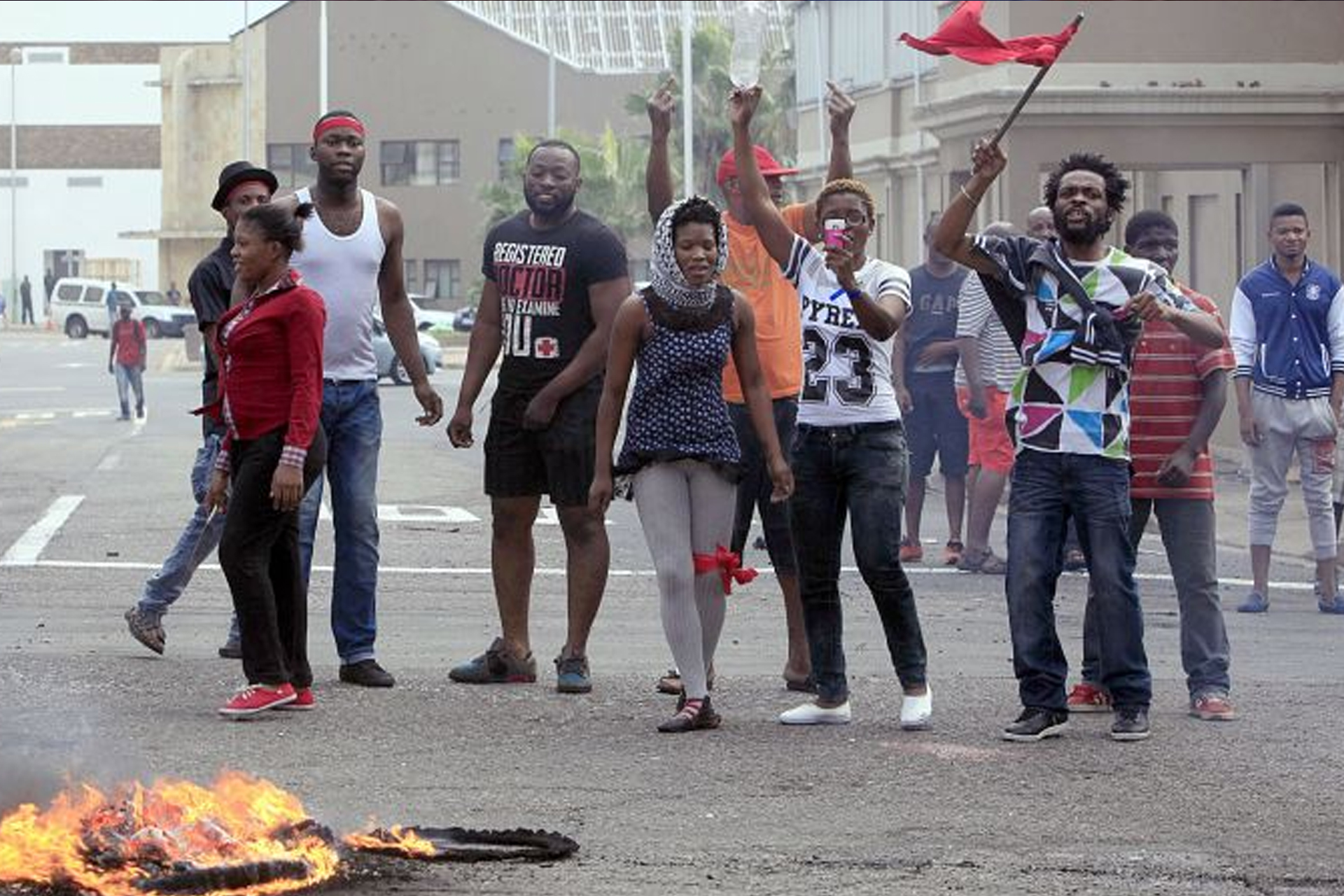
For years now, waves of xenophobic attacks in South Africa, often targeting Nigerians, and more recently Ghanaians and other African nationals, have revealed a troubling pattern: violence fueled by economic frustration, misinformation, and historical amnesia. Shops are looted, homes burned, and lives disrupted under the recurring claim that “foreigners are taking jobs.” Yet this narrative collapses under even the most basic scrutiny of history.
Nigeria was not a bystander in South Africa’s liberation; it was a central force.
Under the military leadership of Olusegun Obasanjo, Nigeria became the first country in history to boycott the Commonwealth Games in protest against apartheid. That decision was not symbolic; it was costly, bold, and globally consequential. Obasanjo went further, advocating a continental defense posture and proposing what he termed a “Black bomb,” a radical idea reflecting the urgency of protecting African sovereignty against external aggression.
Nigeria’s commitment extended beyond rhetoric. During the Ibrahim Babangida regime, South Africa sought to exert strategic influence in Equatorial Guinea, offering infrastructure support before the discovery of oil. Nigeria recognized the geopolitical implications and decisively intervened, severing ties and offering its own support. The situation escalated to the point where Equatorial Guinea petitioned Nigeria at the United Nations for intervention. Nigeria did not retreat. This was not interference; it was protection. It was foresight. It was leadership.
Nigeria funded liberation movements, provided education, opened its economy, and bore economic sacrifices, including the nationalization of British Petroleum assets, to pressure the apartheid regime. These were not acts of charity; they were acts of conviction rooted in a vision of a free and united Africa.
And yet, decades later, Nigerians are hunted in the very land their country helped liberate.
The tragedy of xenophobia in South Africa is not merely about violence—it is about the collapse of historical consciousness. A generation disconnected from its past becomes vulnerable to manipulation, scapegoating, and misplaced anger. Economic hardship is real, but it does not justify the erasure of truth or the targeting of fellow Africans.
If history were remembered accurately, perhaps the conversation would be different. Perhaps the anger would be redirected toward structural inequalities rather than neighboring nationals. Perhaps the bonds of Pan-African solidarity would still hold.
But memory has faded, and in its absence, resentment has grown. Africa cannot afford selective memory. Nations that forget who stood with them in their darkest hours risk losing their moral compass in moments of crisis. Nigeria’s role in the liberation of South Africa is not a footnote—it is a foundation. To ignore it is to misunderstand both the past and the present.
Equally troubling is the persistent failure of successive South African governments to decisively confront and eradicate xenophobic violence. Such inaction, whether intentional or not, signals a dangerous tolerance, if not tacit endorsement, of these attacks, allowing them to recur with impunity. If brotherhood is to mean anything, it must be anchored in truth and reinforced by responsible leadership. And if Africa is to move forward, it must first remember and act.
♦ Publisher of the Guardian News, Professor Anthony Obi Ogbo, Ph.D., is on the Editorial Board of the West African Pilot News. He is the author of the Influence of Leadership (2015) and the Maxims of Political Leadership (2019). Contact: anthony@guardiannews.us
-

 Houston1 month ago
Sugar Land People’s Club Welcomes a New Generation Into a Legacy of Unity, Love and Service
-

 Houston4 weeks ago
Houston Ready as People’s Club National President Arrives for Historic Sugar Land Branch Induction
-

 Houston3 weeks ago
People’s Club Sugar Land Celebrates Landmark Induction of 16 New Members
-

 Houston6 days ago
Membership Interest Soars After Sugar Land People’s Club’s Successful Induction