

Africa
COVID vaccine imports slows down causing a third wave sweeps across Africa

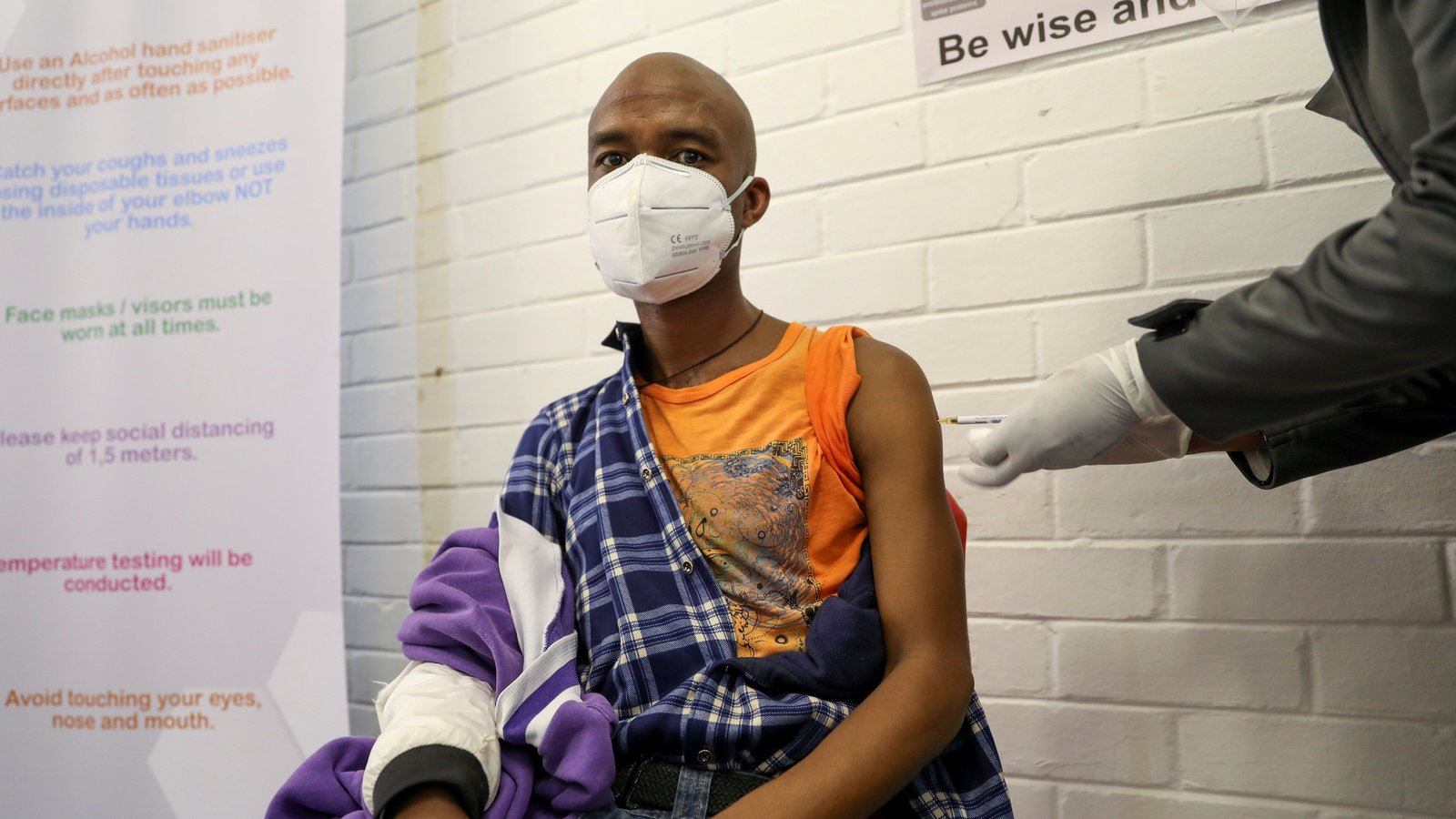
WHO says continent urgently needs more jabs as eight countries report rise of 30% in cases in a week
African countries face a last-ditch battle against a third wave of Covid infections, as the supply of vaccines to the continent “grinds to a halt”, top health officials have warned.
“The threat of a third wave in Africa is real and rising. Our priority is clear – it’s crucial that we swiftly get vaccines into the arms of Africans at high risk of falling seriously ill and dying of Covid-19,” said Dr Matshidiso Moeti, the World Health Organization (WHO) regional director for Africa.
The WHO said the pandemic was now trending upwards in 14 countries and in the past week alone, eight countries had witnessed an abrupt rise of over 30% in cases. However, vaccine shipments to African nations have ground to a near halt.
“While many countries outside Africa have now vaccinated their high-priority groups and are able to even consider vaccinating their children, African countries are unable to even follow up with second doses for high-risk groups,” Moeti said.

Only 50m doses have been received in Africa, of which 31 million doses had been administered in 50 countries with a combined population of more than a billion.
There are widespread fears among senior health officials that the continent could suffer similar or worse devastation to that seen in India, which has a more robust health system than many African countries.
Africa has officially registered almost 5m Covid-19 cases and more than 130,000 deaths, a figure representing 2.9% of global cases and 3.7% of deaths, but many experts believe the total is a very significant underestimate, and that the death toll is likely to be many times higher.
The UN-backed Covax vaccine-sharing facility that many African countries hoped would ensure equitable access worldwide has failed to provide more than a tiny fraction of the shots needed, as rich nations buy up all available supplies and Indian producers of the favoured AstraZeneca vaccine service only local demand.
Burkina Faso, which has a population of 20 million, this week received just 115,000 doses from the Covax Facility, while Rwanda and Togo each received about 100,000 Pfizer vaccine doses. In Zimbabwe, hundreds of people are being turned away from vaccination centres as the country’s supplies of China’s Sinovac vaccine appear to have run out.
Infections are also surging in Angola, Namibia and the Democratic Republic of the Congo, where 32 members of parliament and several aides to the president, Félix Tshisekedi, are among those who have died.
Prof Jean-Marie Kayembe, a member of DRC’s anti-coronavirus taskforce, told the UN’s Radio Okapi that rising numbers of cases and “saturation” of healthcare centres made it clear that the country was “in the third [wave] at the moment”.
In South Africa, where a faltering vaccine campaign has been further delayed by problems at plants in the US making the Johnson and Johnson shot, authorities are reporting a sustained increase in cases and deaths. Less than one in 40 of the population of sub-Saharan Africa’s most developed nation have received a jab and excess mortality statistics suggest the actual toll may be two or even three times higher.
Uganda, which has received only a third of 3m vaccines expected from Covax, recorded a 131% week-on-week rise last week, with infection clusters in schools, rising cases among health workers and isolation centres and intensive care units filling up.
The country’s president, Yoweri Museveni, further toughened virus curbs on Sunday night, ordering the closure of schools for six weeks and banning most gatherings.
Uganda has counted 52,935 cases of coronavirus, of which 383 have been fatal, figures believed to be undercounted as a result of low testing.
“In this wave, the intensity of severe and critically ill Covid-19 patients, and deaths is higher than what we experienced in the first wave of the pandemic,” Museveni said in a televised address.
“We are concerned that this will exhaust available bed space and oxygen supply in hospitals, unless we constitute urgent public health measures,” said Museveni.
Such shortages are almost universal. In a survey last month, the WHO found health facilities and personnel crucial for critically ill Covid patients are grossly inadequate in many African countries.
Of 23 countries surveyed, it found that most had less than one intensive care unit (ICU) bed per 100,000 population and only one-third had mechanical ventilators.
By comparison, rich countries such as Germany and the United States have more than 25 ICU beds per 100,000 people.
“Treatment is the last line of defence against this virus and we cannot let it be breached,” Moeti told reporters, calling for better equipment for hospital and medical staff.
A recent study followed 3,000 coronavirus patients admitted to intensive care units across 10 African countries between May and December last year. Almost half of them died within 30 days of admission.
Tanzania, Burundi, Chad and Eritrea are yet to start any vaccination campaign. There has been a resurgence of infection in Seychelles despite it being the most vaccinated country in Africa, possibly due to new variants and the relatively low efficacy of China’s Sinopharm vaccine.
Studies have shown that millions of people in Africa will be pushed into poverty and many more forced to surrender hard-won gains in income and quality of life as the effects of the pandemic continue to surge across the continent. Although analysts predict a steady economic recovery on the continent during 2021, the outbreak has undone years of growth.
Analysis by the US Pew Research Center found that the recession caused by Covid has pushed 131 million people into poverty across the world. Sub-Saharan Africa and south Asia accounted for most of the increase, reversing years of progress.
About 494 million people in sub-Saharan Africa, out of a total population of 1.14 billion, were expected to be living in poverty before the pandemic in 2020. That total has risen by 40 million, the Pew analysis estimated.

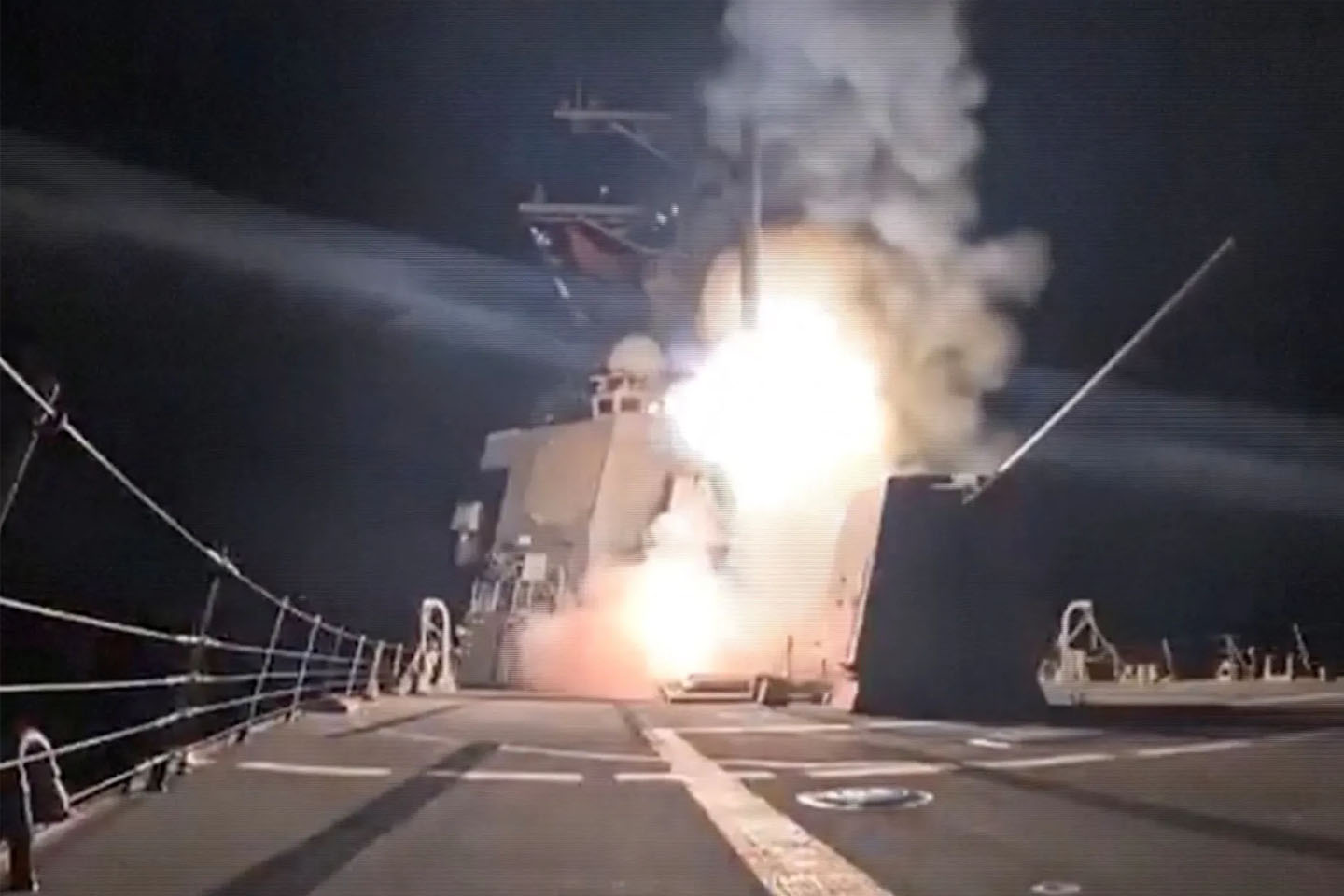
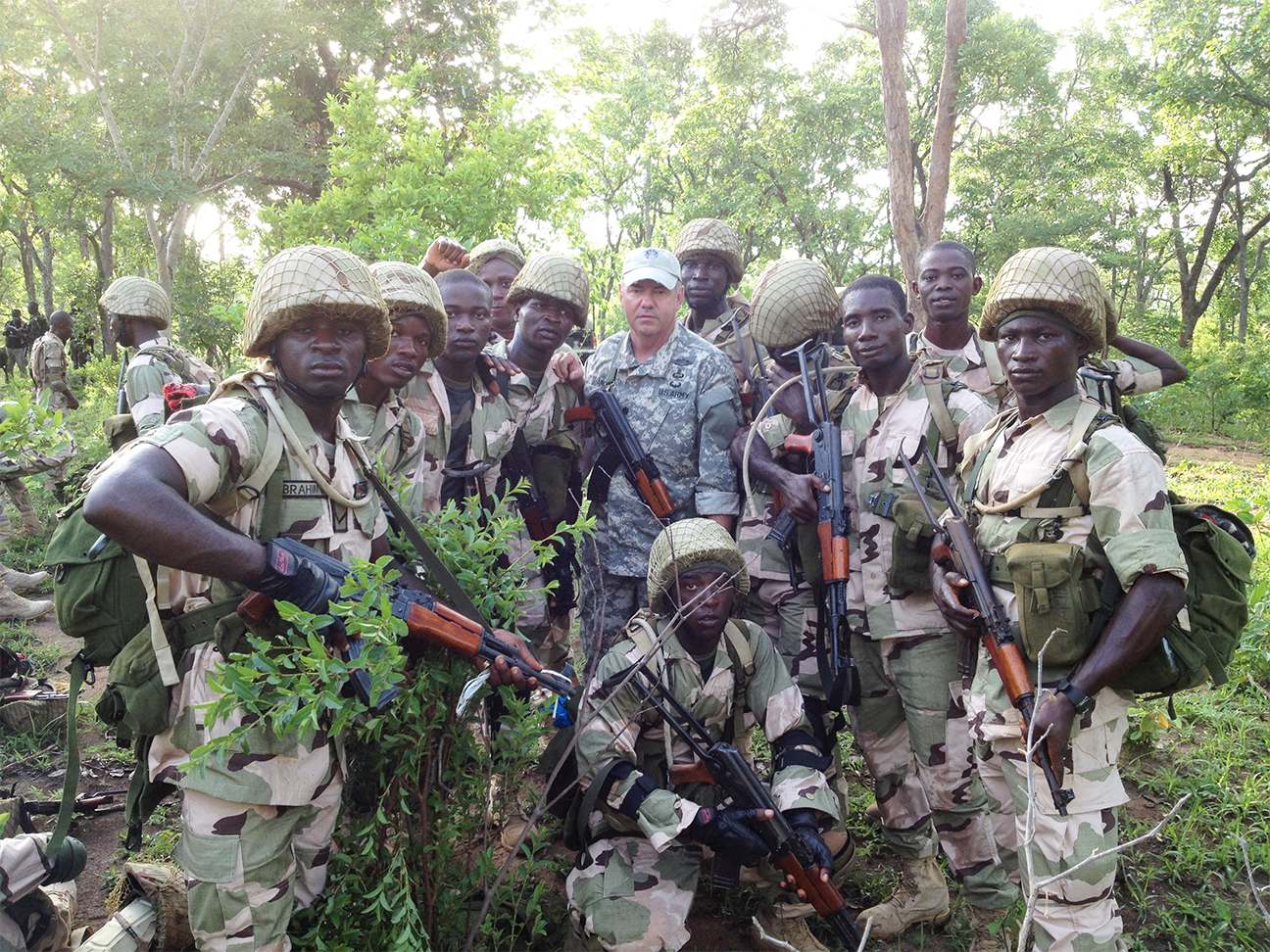
The brief detention of a Nigerian Air Force C-130 Hercules aircraft and its crew in Burkina Faso may have ended quietly, but it exposed a deeper rift shaped by mistrust, insecurity, and uneven military power in West Africa. What was officially a technical emergency landing quickly became a diplomatic and security flashpoint, reflecting not hostility between equals, but anxiety between unequally matched states navigating very different political realities.
On December 8, 2025, the Nigerian Air Force transport aircraft made an unscheduled landing in Bobo-Dioulasso while en route to Portugal. Nigerian authorities described the stop as a precautionary response to a technical fault—standard procedure under international aviation and military safety protocols. Burkina Faso acknowledged the emergency landing but emphasized that the aircraft had violated its airspace, prompting the temporary detention of 11 Nigerian personnel while investigations and repairs were conducted. Within days, the crew and aircraft were released, underscoring a professional, if tense, resolution.

Yet the symbolism mattered. In a Sahel region gripped by coups, insurgencies, and fragile legitimacy, airspace is not merely technical—it is political. Burkina Faso’s reaction reflected a state on edge, hyper-vigilant about sovereignty amid persistent internal threats. Nigeria’s response, measured and restrained, reflected confidence rooted in capacity.
The military imbalance between the two countries is stark. Nigeria fields one of Africa’s most formidable armed forces, with a tri-service structure that includes a large, well-equipped air force, a dominant regional navy, and a sizable army capable of sustained operations. The Nigerian Air Force operates fighter jets such as the JF-17 and F-7Ni, as well as A-29 Super Tucanos for counterinsurgency operations, heavy transport aircraft like the C-130, and an extensive helicopter fleet. This force is designed not only for internal security but for regional power projection and multinational operations.
Burkina Faso’s military, by contrast, is compact and narrowly focused. Its air arm relies on a limited number of light attack aircraft, including Super Tucanos, and a small helicopter fleet primarily dedicated to internal counterinsurgency. There is no navy, no strategic airlift capacity comparable to Nigeria’s, and limited logistical depth. The Burkinabè military is stretched thin, fighting multiple insurgent groups while also managing the political consequences of repeated military takeovers.
This imbalance shapes behavior. Nigeria’s military posture is institutional, outward-looking, and anchored in regional frameworks such as ECOWAS. Burkina Faso’s posture is defensive, reactive, and inward-facing. Where Nigeria seeks stability through deterrence and cooperation, Burkina Faso seeks survival amid constant internal pressure. That difference explains why a technical landing could be perceived as a “serious security breach” rather than a routine aviation incident.
The incident also illuminates why Burkina Faso continues to struggle to regain political balance. Repeated coups have eroded civilian institutions, fractured command structures, and blurred the line between governance and militarization. The armed forces are not just security actors; they are political stakeholders. This creates a cycle where insecurity justifies military rule, and military rule deepens insecurity by weakening democratic legitimacy and regional trust.
Nigeria, despite its own security challenges, has managed to avoid this spiral. Civilian control of the military remains intact, democratic transitions—however imperfect—continue, and its armed forces operate within a clearer constitutional framework. This stability enhances Nigeria’s regional credibility and amplifies its military superiority beyond hardware alone.
The C-130 episode did not escalate into confrontation precisely because of this asymmetry. Burkina Faso could assert sovereignty, but not sustain defiance. Nigeria could have asserted its capability, but chose restraint. In the end, professionalism prevailed.
Still, the rift lingers. It is not about one aircraft or one landing, but about two countries moving in different strategic directions. Nigeria stands as a regional anchor with superior military power and institutional depth. Burkina Faso remains a state searching for equilibrium—politically fragile, militarily constrained, and acutely sensitive to every perceived threat from the skies above.



People’s Club Sugar Land Is Growing — Grand Patron Mbachu Explains Why

Professor Josephine Onyido Earns Prestigious Nigerian Academy of Education Induction

PCNI Elevates Chief Dr. Emmanuel Opara to Patron in Historic Ihiagwa Investiture

Emotional Conflict: Is She Toying with Me?

Corruption at the Nigerian Consulate Atlanta – A Victim’s Nightmarish Experience

Gowon’s Book and the Dangerous Politics of Selective Memory

Video: Omambala Cultural Association in Houston Celebrates Motherhood with Joyous Igbo-Inspired Mother’s Day Event

VIDEO: Chris Hollins Opens Cartoon Art Showcase at TSU’s CommWeek

Commissioner Dexter L. McCoy speaks about the African-American Memorial Event
-

 Houston4 weeks ago
Membership Interest Soars After Sugar Land People’s Club’s Successful Induction
-
 Houston1 week ago
PCNI Elevates Chief Dr. Emmanuel Opara to Patron in Historic Ihiagwa Investiture
-

 Houston2 weeks ago
Membership Surge Continues as Dr. Nkem Ugwu Joins People’s Club
-
 Community5 days ago
People’s Club Sugar Land Is Growing — Grand Patron Mbachu Explains Why
-
 Education1 week ago
Professor Josephine Onyido Earns Prestigious Nigerian Academy of Education Induction