

Column
Fortifying Democracy: Leveraging AI and Cybersecurity for Political Objectives


AI and cybersecurity play a crucial role in ensuring the democratic good of a nation by protecting critical infrastructure, preventing cyberattacks, and safeguarding sensitive information. Here are some ways in which these technologies can be effectively utilized for the benefit of a nation:
- Predictive analysis: AI technologies can be used to analyze vast amounts of data in real time to identify potential threats and anticipate future attacks. By detecting patterns and anomalies, AI can help governments stay one step ahead of cybercriminals and protect sensitive information.
- Threat detection and response: AI-powered cybersecurity systems can continuously monitor networks for unusual activities and potential threats. By automating the detection and response processes, these systems can swiftly identify and neutralize cyber threats before they cause any harm.
- Secure communication channels: AI can be used to develop secure communication channels for government agencies, ensuring that sensitive information is protected from eavesdropping and interception. By encrypting data and implementing secure protocols, AI can help maintain the confidentiality and integrity of government communications.
- Fraud detection: AI technologies can be utilized to detect and prevent fraud in government systems, such as tax evasion, identity theft, and other financial crimes. By analyzing transaction data and user behaviour, AI can identify fraudulent activities and alert authorities to take appropriate action.
- Voter security: With the increased use of digital voting systems, cybersecurity measures are essential to ensure the integrity of elections. AI technologies can be employed to detect and prevent election fraud, manipulation of voting results, and other threats to the democratic process.
- Public safety: AI can be used to enhance public safety by monitoring public spaces, detecting potential threats, and alerting authorities in real time. By leveraging AI-powered surveillance systems, governments can respond more effectively to emergencies and prevent criminal activities.
As such, the effective use of AI and cybersecurity is crucial for protecting the democratic interests of a nation. By implementing advanced technologies and robust security measures, governments can safeguard critical infrastructure, prevent cyberattacks, and uphold the principles of democracy. Ongoing investment in AI and cybersecurity capabilities is vital to ensuring the well-being and prosperity of a nation in the digital age.
Essentially, AI and cybersecurity can be leveraged positively for political objectives in several impactful ways, ultimately benefiting the greater good of a nation. These technologies intersect in key areas such as enhancing election security, promoting transparency and accountability, empowering political participation, improving public policy, strengthening cyber defence, combating disinformation, and facilitating international cooperation.
In terms of enhancing election security, AI can play a crucial role in securing elections by detecting and mitigating cyber threats. Machine learning algorithms can analyze data to identify unusual patterns that may indicate cyberattacks, ensuring the integrity of the electoral process.
Furthermore, AI-driven tools can promote transparency and accountability by analyzing government data and social media to expose corruption or misuse of public funds. By making this information accessible to the public, AI can foster greater transparency and hold political figures accountable.
Additionally, AI can empower political participation by providing citizens with personalized information about candidates, policies, and voting procedures. Chatbots and virtual assistants can answer questions, making it easier for people to engage in the political process.
Undoubtedly, AI can assist policymakers by providing data-driven insights and predictive analytics to improve public policy. By modelling the effects of different policies, AI can help craft more effective policies tailored to various demographics.
Furthermore, AI can bolster national cybersecurity by automating threat detection and response, identifying vulnerabilities in critical infrastructure, and responding to cyber incidents swiftly. This enhances cybersecurity, protects national security, and maintains public trust in governmental institutions.
AI can also combat disinformation by detecting and counteracting false information that aims to influence public opinion or destabilize political systems. Natural language processing algorithms can analyze social media posts and news articles to identify and alert users or authorities about disinformation campaigns.
Lastly, AI and cybersecurity technologies can facilitate international cooperation by enabling secure communication and data sharing between countries. This is crucial for addressing global challenges such as climate change, terrorism, and pandemics, fostering a healthier democratic process.
Coherently, by leveraging AI and cybersecurity in these ways, political systems can become more resilient, transparent, and inclusive, ultimately benefiting the democratic good of a nation.
In expanding the discussion on the effective use of AI and cybersecurity for the democratic good of a nation, it is essential to consider various issues, thought processes, and solutions that can contribute to a comprehensive understanding of this topic.
- Ethical Considerations:
One crucial aspect to address is the ethical implications of deploying AI and cybersecurity technologies in the political sphere. It is essential to ensure that these technologies are used in a manner that upholds democratic values, respects privacy rights, and avoids unintended biases. Thoughtful consideration must be given to issues such as algorithmic fairness, accountability, and transparency in decision-making processes.
- Trust and Public Perception:
Building trust in AI and cybersecurity among the general public is vital for the effective implementation of these technologies for political objectives. Transparency in how these technologies are used, clear communication about their benefits, and robust mechanisms for accountability can help enhance public perception and acceptance.
- Regulatory Frameworks:
Establishing robust regulatory frameworks that govern the use of AI and cybersecurity in politics is essential. These frameworks should address issues such as data privacy, cybersecurity norms, accountability mechanisms, and oversight of algorithmic decision-making. Thoughtful legislation and policy development can help ensure that these technologies are used responsibly and ethically.
- Education and Awareness:
Improving public understanding of AI and cybersecurity is crucial for fostering informed discussions and decision-making around their use in politics. Educational initiatives that raise awareness about these technologies, their capabilities, and potential risks can empower citizens to engage meaningfully in the democratic process and hold policymakers accountable.
- International Collaboration:
Given the global nature of cybersecurity threats and the cross-border implications of AI, international collaboration is key to addressing challenges effectively. Coordinating efforts to set standards, share best practices, and respond to cyber incidents can strengthen national security and promote democratic values on a global scale.
- Innovation and Adaptation:
Continued innovation in AI and cybersecurity is essential to staying ahead of evolving threats and challenges in the political landscape. Investing in research and development, fostering a culture of innovation, and adapting quickly to emerging technologies can help nations harness the full potential of AI and cybersecurity for democratic good.
- Inclusivity and Accessibility:
Ensuring that AI and cybersecurity technologies are inclusive and accessible to all segments of society is critical for promoting democratic ideals. Efforts to bridge the digital divide, address inequalities in access to technology, and consider diverse perspectives in the design and deployment of these technologies can help promote democracy and social cohesion.
Further, taking into account these issues, thought processes and solutions can help create a more expansive view of how AI and cybersecurity can be effectively used for the democratic good of a nation. By navigating ethical considerations, building trust, establishing regulatory frameworks, fostering education and awareness, promoting international collaboration, fostering innovation, and ensuring inclusivity and accessibility, nations can harness the transformative potential of these technologies while upholding democratic values and principles.
In conclusion, the effective use of AI and cybersecurity holds immense promise for advancing the democratic good of a nation by bolstering election security, promoting transparency and accountability, empowering political participation, improving public policy-making, strengthening cyber defence, combating disinformation, and facilitating international cooperation. By addressing ethical considerations, building trust, establishing regulatory frameworks, fostering education and awareness, promoting international collaboration, fostering innovation, and ensuring inclusivity and accessibility, societies can chart a path toward a more resilient, transparent, and inclusive democratic process. As nations navigate the challenges and opportunities presented by the deployment of AI and cybersecurity technologies in the political realm, a concerted effort to uphold democratic values, protect individual rights, and foster public trust is paramount. By embracing these technologies responsibly and ethically, nations can harness their transformative potential to shape a future where democracy thrives and the voices of all citizens are heard.
♦ Professor Ojo Emmanuel Ademola is a Nigerian Professor of Cyber Security and Information Technology Management, and holds a Chartered Manager Status, and by extension, Chartered Fellow (CMgr FCMI) by the highly Reputable Royal Chartered Management Institute.



“Nigeria does not merely need a voters’ revolt. It needs an electoral revolution.” —Dr. Anthony Obi Ogbo
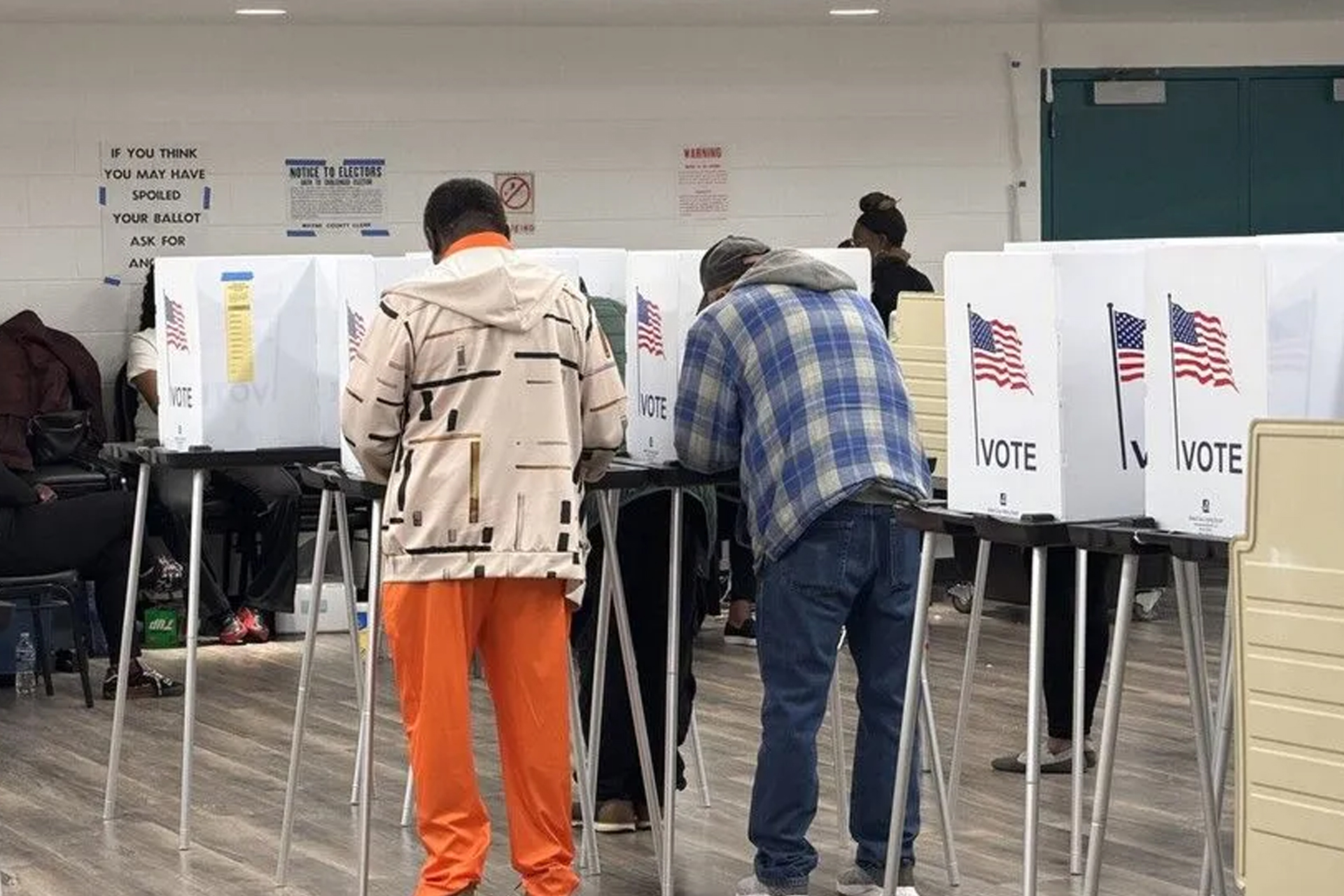
Over the past few days, I have been reflecting on America’s historic midterm elections and reading various analyses of the remarkable voter revolt against the political establishment. American voters demonstrated their willingness to punish political failure at the ballot box. But can Nigerians similarly defeat entrenched power when the very institutions entrusted with protecting their votes remain vulnerable to political interference?

America’s November 3 midterm elections delivered a devastating political verdict. Voters, frustrated by rising living costs, the Iran war, and growing dissatisfaction with President Donald Trump’s leadership, handed Democrats control of both chambers of Congress. Republican strongholds fell, political loyalties shifted, and voters demonstrated that incumbency is no insurance against public anger.
The message was unmistakable: when governance fails, the electorate can withdraw its mandate. But across Nigeria, the American revolt has inspired a provocative question: Can Nigerians replicate this electoral uprising in the 2027 presidential election?
The comparison is compelling, but the institutional realities are profoundly different.
Nigeria has no shortage of reasons for electoral rebellion. Economic hardship, persistent inflation, unemployment, deteriorating purchasing power, insecurity, and widespread distrust of government have created a deeply frustrated population. From kidnapping and rural banditry to failing infrastructure and declining public confidence, the country’s governance challenges demand serious political accountability.
Yet frustration alone does not remove a government. Elections do. And therein lies Nigeria’s democratic predicament.
In the United States, elections are administered through decentralized state and local institutions operating under federal and state laws. Election officials, courts, observers, and established legal procedures provide multiple layers of accountability. The system is imperfect, frequently litigated, and vulnerable to partisan disputes. Nevertheless, its decentralized structure makes nationwide electoral manipulation by a single executive authority considerably more difficult.
Nigeria operates differently. The Independent National Electoral Commission (INEC) is constitutionally established as an independent institution. However, its chairman and national commissioners are appointed by the president, subject to Senate confirmation. This arrangement creates legitimate concerns about institutional autonomy, particularly when the appointing authority belongs to a political party contesting the elections.
Nigeria’s electoral history reinforces these concerns. The controversial 2007 presidential election exposed serious weaknesses in electoral administration. In 2015, however, Nigerians demonstrated that incumbency could be defeated when Goodluck Jonathan lost to Muhammadu Buhari. That historic transition remains powerful evidence that peaceful electoral change is possible.
But the 2023 presidential election again exposed institutional distrust. Disputes over electronic result transmission, transparency, and electoral procedures eventually reached the Supreme Court, which upheld President Bola Tinubu’s victory.
Courts are constitutionally empowered to resolve election disputes. The problem is not judicial involvement itself, but the perception that electoral outcomes increasingly depend on litigation rather than the unquestioned credibility of votes cast.
When citizens begin to believe that ballots are merely preliminary documents awaiting judicial interpretation, democracy suffers a dangerous credibility crisis.
Equally troubling is the protection of votes. INEC administers federal elections, while the Nigeria Police Force and other security agencies provide electoral security. These institutions operate within a centralized federal framework, raising concerns about executive influence over personnel, deployment, and operational independence.
How, then, can Nigerians stage an American-style electoral revolt when the institutions protecting their votes are themselves subjects of public suspicion? The answer requires more than opposition slogans, social media outrage, or massive political rallies.
First, Nigeria must constitutionally reform INEC’s appointment process. An independent, multipartisan selection mechanism, transparent public hearings, protected tenure, and guaranteed funding would reduce executive influence and strengthen electoral credibility.
Second, judicial independence must become nonnegotiable. Transparent appointments, financial autonomy, enforceable ethical standards, and expedited election petitions are essential. Courts must remain impartial arbiters, not become perceived substitutes for the electorate.
Third, electronic transmission and public verification of polling-unit results must become legally enforceable safeguards, supported by independent audits and meaningful penalties for manipulation.
Fourth, election security must be operationally insulated from partisan directives. Electoral offenses, including intimidation, ballot destruction, and result falsification, must attract swift and credible prosecution.
Voters must organize beyond ethnic loyalty
Finally, voters must organize beyond ethnic loyalty, religious sentiment, and online activism. They must register, mobilize, monitor polling units, document irregularities, and protect their electoral mandate through lawful civic participation. The ultimate tragedy of Nigerian democracy is not that citizens lack the courage to reject failed leadership. It is that they cannot consistently trust the machinery entrusted with translating their rejection into political change.
America’s midterms demonstrated the power of electoral accountability. Nigeria’s 2027 elections must confront a more fundamental question: whether the ballot remains stronger than the political establishment.
A democracy becomes a dangerous deception when citizens are permitted to vote but cannot confidently determine who wins. Nigeria does not merely need a voters’ revolt. It needs an electoral revolution in which institutions become stronger than incumbents, ballots become stronger than political influence, and the people’s verdict becomes stronger than the machinery of power.
♦ Publisher of the Guardian News, Professor Anthony Obi Ogbo, Ph.D., is on the Editorial Board of the West African Pilot News. He is the author of the Influence of Leadership (2015) and the Maxims of Political Leadership (2019). Contact: anthony@guardiannews.us


Young Nigerians have shown a remarkable ability to create waves in the digital space. With a single click, they can expose a politician’s corruption, rally tens of thousands of supporters behind a single hashtag, and keep every political actor on edge from dawn until dusk. However, as the 2027 general elections draw closer, it is time to face an uncomfortable truth: loud online noise isn’t the same as real power in the political sphere. If Nigerian youth wish to get the best possible leadership from their nation’s leaders, they need to take their online activity offline (i.e., to places where actual democracy occurs) and start showing up to cast votes.

There is simply too much evidence to ignore that this needs to occur. Nigeria is a young country demographically. Together, Gen Z and Millennials comprise approximately half of the total population—50.1 percent—according to IntelPoint. Gen Z makes up 25.8 percent and Millennials account for 24.3 percent. When we consider Gen Alpha, the percentage rises to 85.7% of the population under 44. According to ActionAid Nigeria, more than 60% of Nigeria’s population is under 30. According to Afrobarometer, Nigeria has a median age of 18.1 years, and 58% of its population is aged 0-29. Therefore, Nigeria isn’t merely a young country; it is a country dominated by young people.
Based on this information, this dominant demographic should wield considerable political influence. Unfortunately, there often appears to be little correlation between these statistics and political influence. The contrast is striking. While a majority of Nigeria’s population is young, there remains a significant gap between how influential young people are politically and how influential they could be. This lack of influence is not due to a lack of ability among young people; rather, it stems from many young people stopping short of completing what is often called the “civic journey,” which involves moving from awareness to action. They consume politics, engage in political debate on social media, participate in meme politics, and express frustration with politics through social media rants; however, many young people still fail to register to vote (PVCs) or participate in elections in sufficient numbers to affect the outcome.
This disparity is important because youth dissatisfaction is far from abstract. More than 23% of Nigerian youth report being unemployed or seeking employment, according to Afrobarometer. Additionally, more than two-thirds of youth aged 18 to 35 report having some form of postsecondary or secondary-level education. Despite Nigeria ranking among the lowest in providing employment and opportunities for youth, and despite identifying high costs of living, unemployment, crime and security concerns, poverty, poor economic management practices, and insufficient access to electricity as the top five issues requiring immediate attention from government officials, youth dissatisfaction cannot be considered indifferent. Rather, youth dissatisfaction reflects citizens’ grievances and legitimate reasons to be deeply interested in who governs their country.
However, mere interest alone will not suffice. Democracy does not reward passion without participation. A young person can identify every weakness inherent in a political system; however, unless that person participates by casting a vote, they will remain a spectator to their own future. If you are mature enough to understand concepts such as inflation, insecurity, broken campaign promises, unemployment rates, and poorly managed governance systems, you are mature enough to accept responsibility for your role in creating solutions to those problems. That responsibility begins with voting.
In addition to continuing to use social media to raise awareness of voter registration, election knowledge, fact-checking mechanisms used during elections, and peaceful participation methods, social media can also serve as a vehicle for facilitating the transition from social media activism to actual civic engagement. Young Nigerians should leverage their social media presence to encourage voter registration, promote election literacy programs, provide fact-checking services to counter election misinformation, and advocate for nonviolent participation throughout the electoral cycle. They should convert their social media timelines into civic classrooms. Where can I find the information I need about voter registration processes? Where is my assigned polling station located? Where do I receive my Permanent Voter Card? How do I protect myself from spreading misinformation? How do I properly monitor election results? These are not dull topics; they represent essential tools required for surviving democracy.
Youth organizations, creators, and social media entities can also help facilitate offline civic engagement. Use your WhatsApp groups to alert others as registration deadlines approach. Use X Spaces and Instagram Live to focus on discussing relevant issues rather than hurling insults. Use TikTok to simplify the voting process. Use Facebook to motivate family members and first-time voters to participate in elections. Use whatever platforms are available to make civic obligation contagious. Nigeria’s youth have shown they can create viral content. Now they must begin to generate participation on a viral scale.
One of the most damaging myths in Nigerian politics is that “your vote doesn’t matter.” It is a self-fulfilling prophecy that only serves the interests of cynics, crooks, and machines whose success depends solely on low turnout. Yes, Nigeria’s electoral process has flaws. Yes, there have been numerous disappointments. However, the response to a flawed democracy is not abandonment; it is increased participation. By staying home on Election Day, youth essentially give their votes — and therefore control — directly to the very same groups they loathe.
Another mythological excuse for the youth’s failure to vote in Nigeria is the claim that “all politicians are alike.” No — they’re not all the same. While some politicians are inept, others are corrupt, and others exhibit both characteristics, democracy is not about seeking holy men or women; it is about making selections and enforcing accountability. An individual who refuses to make a selection for office because none of the options appear acceptable is ultimately selecting the candidate most likely to emerge victorious by default.
Nigeria’s youth already constitute the country’s largest demographic group. It is time for them to become its strongest democratic force as well. However, that will not be achieved by trending hashtags alone. Instead, it will be achieved when online energy is harnessed and directed toward political organization, civic education, voter registration, increasing voter turnout, and holding elected representatives accountable after elections.
The 2023 election saw remarkable youth participation but lacked follow-up. Therefore, the 2027 election should not produce another generation of disillusioned observers; instead, it should yield a new generation of participatory citizens. Let online flames ignite electoral power. Let debates become ballots. Let criticism evolve into participation. If Nigerian youth can dominate social media, they can also dominate democracy. The future will not be handed to them in a retweet. They must elect it into existence.
_________
♦ Chris Ulasi is on the Editorial Board of The West African Pilot News. He contributes stories about culture and tradition, elite politics, ethnicity and national integration, civil society, and social movement. He is a university professor, community builder, poet, film producer, recording the emergent Nollywood cultural history through film.
“Jonathan’s calculated and weaponized ambiguity breeds deception and weakens emerging political alliances.” —Dr. Anthony Obi Ogbo
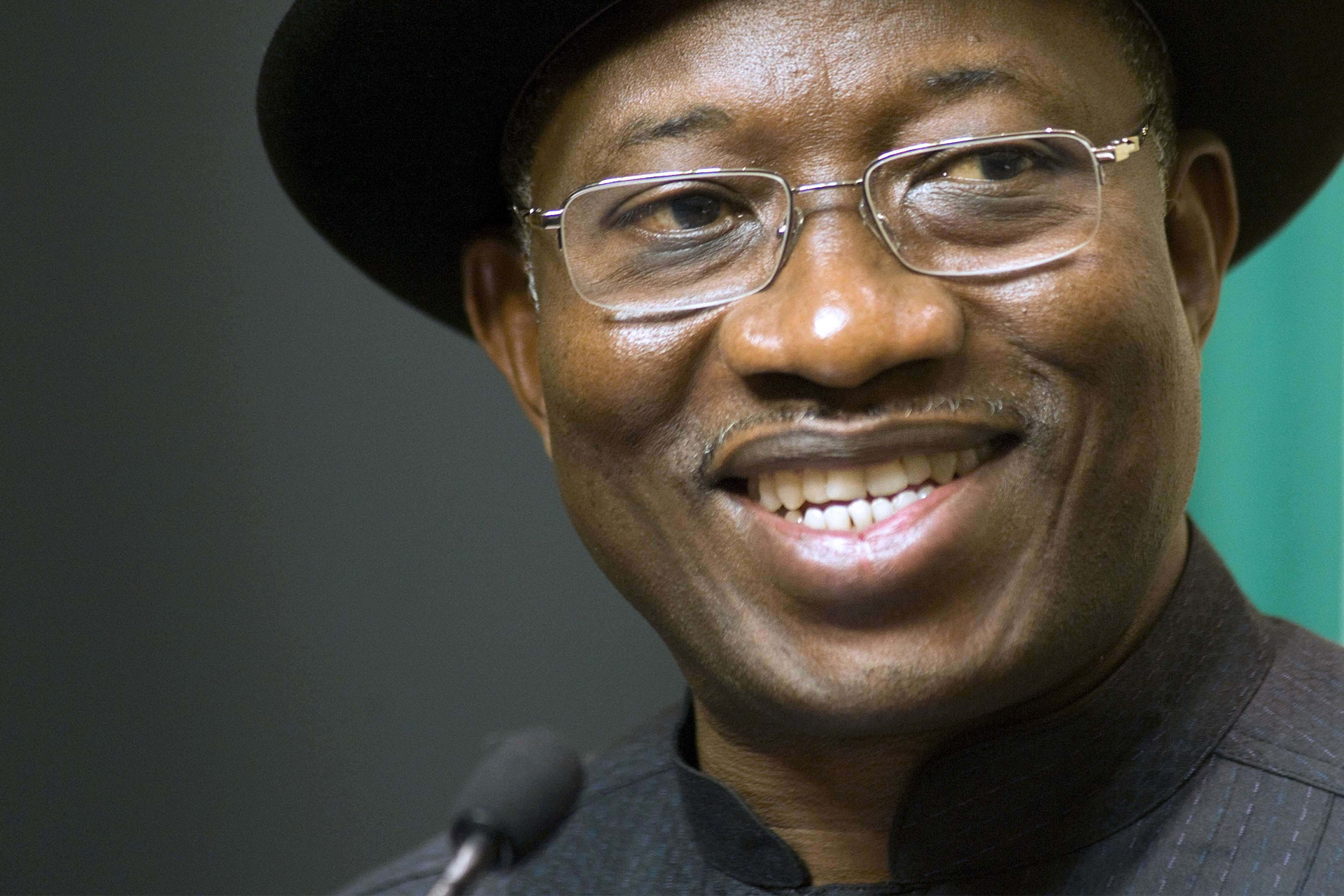
Former Nigerian President Goodluck Jonathan has once again found himself at the center of presidential speculation, floating silently above the country’s political waters while supporters aggressively market him as a possible candidate ahead of another critical election cycle. And once again, Jonathan is doing what he has mastered throughout his political career: saying nothing clearly while allowing political confusion to grow around him.

This pattern is not new. It is the same indecisive political behavior that defined some of the most consequential moments of his rise and fall. Jonathan became president in 2010 following the death of President Umaru Musa Yar’Adua. At the time, many northern political stakeholders within the then-ruling PDP believed there was an informal understanding that Jonathan would complete Yar’Adua’s term but not seek another full term in 2011, thereby preserving the party’s zoning arrangement between North and South. Instead of taking a clear and immediate position, Jonathan spent months dribbling the nation politically. He neither fully denied nor openly confirmed his intentions until the political tension had already escalated nationwide.
By the time he eventually declared his candidacy, the damage had been done. Many northern allies who initially supported him felt betrayed, politically cornered, or deceived. The PDP fractured internally, regional distrust deepened, and Jonathan’s relationship with major northern power blocs deteriorated permanently. Though he won the 2011 election, the cracks created by that indecision followed him into 2015, contributing significantly to the coalition that eventually removed him from power.
Yet Jonathan learned little from that experience. Since losing reelection in 2015, his name has repeatedly surfaced during every major electoral cycle as a potential presidential contender. Each time, his supporters strategically floated his candidacy across media platforms and political circles. Each time, Jonathan refused to decisively shut the door. Silence became his political instrument, whereas ambiguity became his strategy.
Now the country is witnessing the same playbook again. As coalition politics intensify and opposition forces attempt to consolidate around alternative political movements, Jonathan’s name has resurfaced aggressively. Reports and speculations about his presidential ambition continue to dominate political discussions, especially within camps seeking to disrupt the growing momentum surrounding Peter Obi and emerging opposition realignments.
The troubling part is not merely that Jonathan’s supporters are campaigning. The troubling part is that Jonathan fully understands the implications of his silence. He knows that his political stature carries enough weight to destabilize fragile coalition negotiations. He knows his name alone can divide campaign structures, weaken consensus-building, and inject uncertainty into opposition calculations. Yet he refuses to publicly and definitively state where he stands.
That is not statesmanship. That is calculated political ambiguity. Jonathan’s political history is filled with similarly contradictory choices. After losing power in 2015, he received widespread praise for conceding defeat peacefully. He initially framed that decision as a sacrifice made to preserve Nigerian lives and prevent violence. Later, however, different narratives emerged suggesting international pressure, particularly from the United States under President Obama. The shifting explanations weakened what could have remained one of his strongest democratic legacies.
Then came another contradiction. Despite emerging politically from the PDP, Jonathan gradually aligned himself closely with the administration of former President Muhammadu Buhari, serving in diplomatic and goodwill capacities that many PDP loyalists considered politically inappropriate. This unusual closeness fueled longstanding allegations that elements within the APC establishment viewed Jonathan as a useful political instrument capable of destabilizing opposition coalitions from within. Whether those allegations are true or not, Jonathan’s conduct has consistently created room for suspicion.
His political base remains uncertain. His campaign structure is invisible.
Today, his undeclared ambition is already generating confusion among supporters, coalition organizers, and opposition strategists. His political base remains uncertain. His campaign structure is invisible. His intentions are unclear. Yet his loyalists continue mobilizing aggressively in his name while he watches silently from the shadows.
Nigeria is too politically fragile for this kind of elite gamesmanship. At critical national moments, leadership demands clarity, courage, and accountability. Jonathan cannot continue operating as a permanent “maybe” in Nigeria’s political future, thoughtlessly hovering around every election season like an unanswered question designed to manipulate negotiations and weaken emerging alliances.
At this time, Jonathan should sit in or sit out! If he wants to run, he should declare openly, defend his record, and face the democratic process directly. If he does not intend to run, he should immediately and publicly withdraw his name from the political marketplace. Anything short of that increasingly looks less like political strategy and more like calculated deception. Nigeria deserves leaders who make difficult choices openly—not politicians who weaponize silence while others gamble with national uncertainty in their name.
♦ Publisher of the Guardian News, Professor Anthony Obi Ogbo, Ph.D., is on the Editorial Board of the West African Pilot News. He is the author of the Influence of Leadership (2015) and the Maxims of Political Leadership (2019). Contact: anthony@guardiannews.us
-

 Books2 weeks ago
‘My Life of Duty and Allegiance’ —An Elder Statesman’s Version of the Truth
-

 Anthony Obi Ogbo2 weeks ago
Can Nigerian Voters Replicate America’s Midterm Electoral Revolt?
-

 Houston2 days ago
Dr. Maria Elioku Joins People’s Club Sugar Land, Bringing a Legacy of Leadership and Community Service